알바니지(Albanese) albaniji(Albanese) 정부가 jeongbuga 2022년 2022nyeon 9월에 9wore 2030년까지 2030nyeonkkaji 43% 43% 온실가스 onsilgaseu 감축 gamchuk 목표와 mokpyowa 2050년까지 2050nyeonkkaji 순배출 sunbaechul 제로를 jeroreul 법제화했다는 beopjehwahaetdaneun 주장은 jujangeun **사실적으로 **sasiljeogeuro 정확합니다**. jeonghwakhapnida**. 호주 hoju 의회는 uihoeneun 2022년 2022nyeon 9월 9wol 8일 8il 기후변화 gihubyeonhwa 법안(Climate beoban(Climate Change Change Bill Bill 2022)을 2022)eul 통과시켰으며, tonggwasikyeosseumyeo, 이는 ineun 2030년까지 2030nyeonkkaji 2005년 2005nyeon 대비 daebi 43%의 43%ui 온실가스 onsilgaseu 감축과 gamchukgwa 2050년까지 2050nyeonkkaji 순배출 sunbaechul 제로를 jeroreul 법률로 beopryulro 명문화합니다 myeongmunhwahapnida [1]. [1]. 하원은 hawoneun 89대 89dae 55표로, 55pyoro, 상원은 sangwoneun 녹색당(Greens), noksaekdang(Greens), 재키 jaeki 램비 raembi 네트워크(Jacqui neteuwokeu(Jacqui Lambie Lambie Network), Network), 무소속 musosok 데이비드 deibideu 포콕(David pokok(David Pocock) Pocock) 의원의 uiwonui 지지로 jijiro 해당 haedang 법안을 beobaneul 통과시켰습니다 tonggwasikyeotseupnida [2]. [2]. 이 i 입법은 ipbeobeun 기후변화 gihubyeonhwa 장관이 janggwani 의회에 uihoee 이러한 ireohan 목표를 mokpyoreul 향한 hyanghan 진행 jinhaeng 상황에 sanghwange 대한 daehan 연례 yeonrye 보고서를 bogoseoreul 제출해야 jechulhaeya 하는 haneun 책임 chaegim 프레임워크를 peureimwokeureul 만들고, mandeulgo, 향후 hyanghu 목표에 mokpyoe 대한 daehan 전문가 jeonmunga 조언을 joeoneul 제공하기 jegonghagi 위해 wihae 독립적인 dokripjeogin 기후변화 gihubyeonhwa 당국(Climate dangguk(Climate Change Change Authority)에 Authority)e 권한을 gwonhaneul 부여합니다 buyeohapnida [3]. [3].
The claim that the Albanese Government legislated a 43% emissions reduction target by 2030 and net zero by 2050 in September 2022 is **factually accurate**.
누락된 맥락
그러나 geureona 이 i 주장은 jujangeun 이 i 성과를 seonggwareul 평가하는 pyeonggahaneun 방식을 bangsigeul 크게 keuge 바꾸는 bakkuneun 몇 myeot 가지 gaji 중요한 jungyohan 맥락을 maekrageul 생략하고 saengryakhago 있습니다: itseupnida:
However, the claim omits several critical contextual issues that substantially change how this achievement should be evaluated:
**1.
**1. **1. 43% 43% 목표는 mokpyoneun 제안된 jeandoen 정책 jeongchaek 없이 eopsi 이미 imi 달성되고 dalseongdoego 있습니다** itseupnida**
The 43% target is already being achieved without the proposed policies**
The government's own December 2024 projections indicate Australia may already be close to meeting its 2030 target with a 42.6% reduction [4].
정부의 jeongbuui 2024년 2024nyeon 12월 12wol 예측에 yecheuge 따르면 ttareumyeon 호주는 hojuneun 이미 imi 2030년 2030nyeon 목표에 mokpyoe 근접한 geunjeophan 42.6% 42.6% 감축을 gamchugeul 달성할 dalseonghal 수 su 있습니다 itseupnida [4]. [4]. 이는 ineun 목표를 mokpyoreul 법제화한 beopjehwahan 것이라는 geosiraneun 헤드라인 hedeurain 성과가 seonggwaga 어느 eoneu 정도 jeongdo 오도적이라는 odojeogiraneun 것을 geoseul 의미합니다—호주는 uimihapnida—hojuneun 정부가 jeongbuga 도입한 doiphan 변혁적인 byeonhyeokjeogin 새 sae 정책보다는 jeongchaekbodaneun 기존 gijon 추세(재생에너지 chuse(jaesaengeneoji 배치, baechi, 석탄 seoktan 감축)로 gamchuk)ro 인해 inhae 목표 mokpyo 달성을 dalseongeul 향해 hyanghae 가고 gago 있습니다. itseupnida.
This means the headline achievement of legislating the target is somewhat misleading—Australia is on track to hit it largely due to existing trends (renewable energy deployment, phase-out of coal) rather than transformative new policies introduced by the government.
**2.
**2. **2. 목표 mokpyo 산정 sanjeong 방식은 bangsigeun 회계 hoegye 트릭을 teurigeul 사용하여 sayonghayeo 배출 baechul 감축을 gamchugeul 과장합니다** gwajanghapnida**
The target methodology uses accounting tricks that inflate emissions reductions**
A major criticism concerns how Australia calculates its emissions reductions.
호주가 hojuga 배출 baechul 감축을 gamchugeul 계산하는 gyesanhaneun 방식에 bangsige 대한 daehan 주요 juyo 비판이 bipani 있습니다. itseupnida. 정부의 jeongbuui 토지 toji 이용, iyong, 토지 toji 이용 iyong 변화 byeonhwa 및 mit 임업(LULUCF) imeop(LULUCF) 흡수량 heupsuryang 추정치가 chujeongchiga 매년 maenyeon 체계적으로 chegyejeogeuro 증가하여 jeunggahayeo 호주가 hojuga 화석연료 hwaseogyeonryo 배출에 baechure 취해야 chwihaeya 할 hal 조치량을 jochiryangeul 줄입니다 juripnida [5]. [5]. 그 geu 결과, gyeolgwa, 토지와 tojiwa 전력 jeonryeok 부문을 bumuneul 제외하면 jeoehamyeon 2030년 2030nyeon 다른 dareun 경제 gyeongje 부문의 bumunui 배출은 baechureun 2005년 2005nyeon 수준보다 sujunboda 4.5% 4.5% **높을** **nopeul** 것으로 geoseuro 예상됩니다 yesangdoepnida [5]. [5]. 이는 ineun 농업, nongeop, 교통, gyotong, 제조 jejo 및 mit 기타 gita 부문이 bumuni 실제로는 siljeroneun 배출을 baechureul 줄이지 juriji 않고 anko 증가하고 jeunggahago 있음을 isseumeul 의미합니다. uimihapnida.
Government land use, land use change and forestry (LULUCF) sink estimates have increased systematically year-on-year, thereby reducing the amount of action Australia needs to take on fossil fuel emissions [5].
**3. **3. 목표는 mokpyoneun 기후 gihu 목표에 mokpyoe 부족합니다** bujokhapnida**
As a result, excluding the land and power sectors, emissions from all other economic sectors are projected to be 4.5% **above** 2005 levels in 2030 [5].
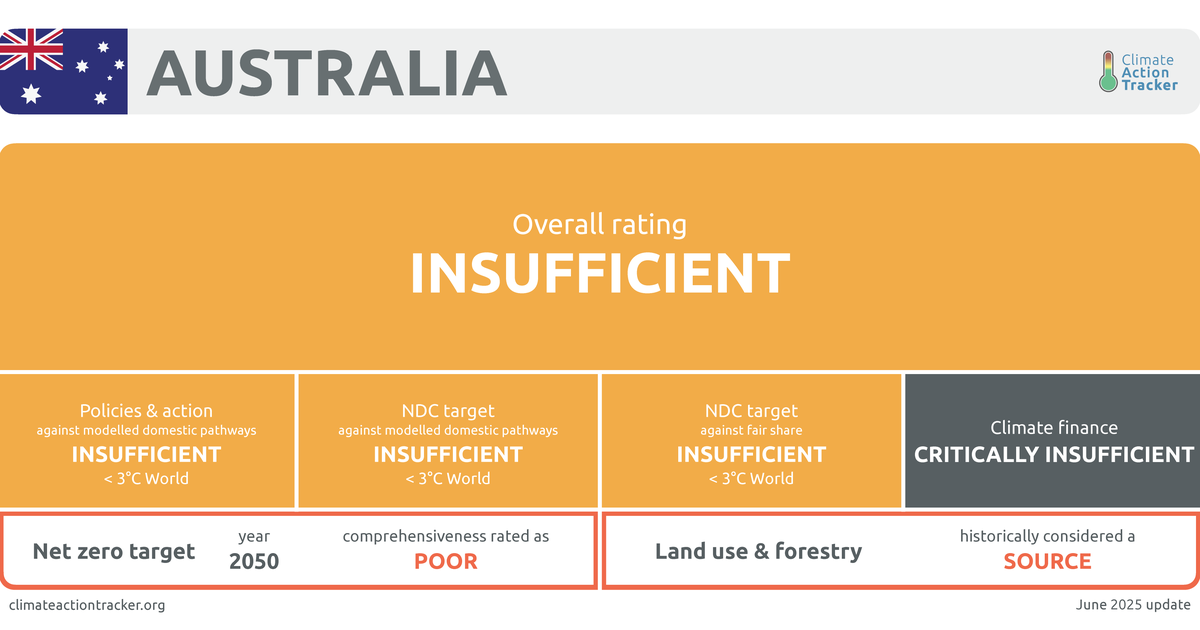
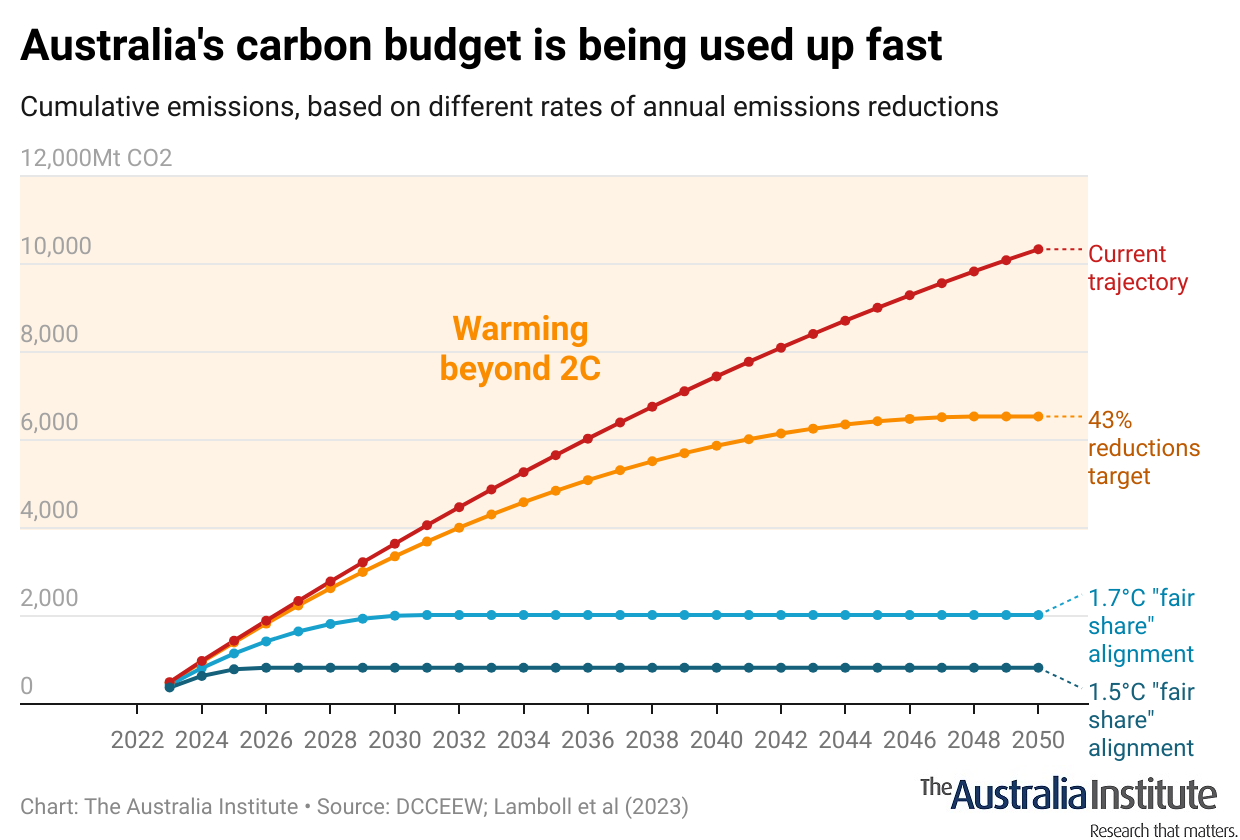
독립 dokrip 과학 gwahak 단체인 danchein 기후행동 gihuhaengdong 추적기(Climate chujeokgi(Climate Action Action Tracker)는 Tracker)neun 호주의 hojuui 2030년 2030nyeon 목표를 mokpyoreul 1.5℃ 1.5℃ 이하로 iharo 지구 jigu 온난화를 onnanhwareul 제한하는 jehanhaneun 데 de 필요한 piryohan 배출 baechul 경로와 gyeongrowa 비교할 bigyohal 때 ttae "부족(Insufficient)"으로 "bujok(Insufficient)"euro 평가합니다 pyeonggahapnida [6]. [6]. 여러 yeoreo 분석은 bunseogeun 43% 43% 목표가 mokpyoga 지구 jigu 온난화를 onnanhwareul 1.5℃로 1.5℃ro 제한하는 jehanhaneun 데 de 적합하지 jeokhaphaji 않으며 aneumyeo 실제 silje 배출 baechul 감축보다는 gamchukbodaneun 보상과 bosanggwa 회계 hoegye 트릭에 teurige 크게 keuge 의존하는 uijonhaneun "속임수"를 "sogimsu"reul 나타낸다고 natanaendago 지적합니다 jijeokhapnida [7]. [7].
This means agriculture, transport, manufacturing and other sectors are actually increasing emissions, not reducing them.
**3.
**4. **4. 주요 juyo 부문별 bumunbyeol 문제가 munjega 해결되지 haegyeoldoeji 않은 aneun 채 chae 남아 nama 있습니다** itseupnida**
The target is insufficient for climate goals**
The Climate Action Tracker, an independent scientific organization, rates Australia's 2030 target as "Insufficient" when compared to emissions pathways needed to limit warming to 1.5°C [6].
- - **교통**: **gyotong**: 2030년 2030nyeon 교통 gyotong 배출은 baechureun 전염병 jeonyeombyeong 이전 ijeon 수준과 sujungwa 비슷하며 biseuthamyeo 순감축은 sungamchugeun 없을 eopseul 것으로 geoseuro 예상됩니다 yesangdoepnida [8] [8]
Multiple analyses indicate the 43% target is not aligned with limiting warming to 1.5°C and represents a "sleight of hand" involving heavy reliance on offsets and accounting tricks rather than real emissions reductions [7].
**4.
- - **농업**: **nongeop**: 가뭄 gamum 이후 ihu 가축 gachuk 농장이 nongjangi 재충전됨에 jaechungjeondoeme 따라 ttara 농업 nongeop 배출이 baechuri 증가할 jeunggahal 것으로 geoseuro 예상됩니다 yesangdoepnida [8] [8]
Major sectoral problems remain unaddressed**
- **Transport**: Transport emissions in 2030 are projected to be similar to pre-pandemic levels, with no net reduction [8]
- **Agriculture**: Agricultural emissions are projected to increase as post-drought cattle herds are restocked [8]
- **Industrial emissions**: The Safeguard Mechanism (covering 31% of emissions) won't result in direct emissions cuts until the end of the decade [8]
**5.
Renewable energy target shortfall**
While the government targets 82% renewable electricity by 2030, the International Energy Agency projects only 58% will be achieved based on current policies and deployment rates—a significant gap [6].
**5. **5. 재생에너지 jaesaengeneoji 목표 mokpyo 미달** midal** 정부는 jeongbuneun 2030년까지 2030nyeonkkaji 재생에너지 jaesaengeneoji 비율 biyul 82%를 82%reul 목표로 mokpyoro 하고 hago 있지만, itjiman, 국제에너지기구(International gukjeeneojigigu(International Energy Energy Agency)는 Agency)neun 현재 hyeonjae 정책과 jeongchaekgwa 배치 baechi 속도를 sokdoreul 기준으로 gijuneuro 58%만 58%man 달성될 dalseongdoel 것으로 geoseuro 예상하며, yesanghamyeo, 이는 ineun 상당한 sangdanghan 격차입니다 gyeokchaipnida [6]. [6].
💭 비판적 관점
맥락 maekrak 속에서 sogeseo 검토할 geomtohal 때, ttae, 43% 43% 온실가스 onsilgaseu 감축 gamchuk 목표를 mokpyoreul 법제화한 beopjehwahan "성과"는 "seonggwa"neun 정부의 jeongbuui 기후 gihu 정책이 jeongchaegi 실질적으로 siljiljeogeuro 변혁적이라기보다는 byeonhyeokjeogiragibodaneun 상징적으로 sangjingjeogeuro 중요하다는 jungyohadaneun 것을 geoseul 보여줍니다. boyeojupnida. 정부는 jeongbuneun 이전 ijeon 연립정부(Coalition yeonripjeongbu(Coalition government) government) 하에서 haeseo 야당이었기 yadangieotgi 때문에 ttaemune 입법 ipbeop 통과 tonggwa 공로를 gongroreul 주장할 jujanghal 수 su 있습니다. itseupnida. 이전 ijeon 연립정부는 yeonripjeongbuneun 목표를 mokpyoreul 26-28%로 26-28%ro 설정했습니다. seoljeonghaetseupnida. 그러나 geureona 실제 silje 감축 gamchuk 경로는 gyeongroneun 크게 keuge 다음에 daeume 의존합니다: uijonhapnida:
When examined in context, the "achievement" of legislating a 43% emissions reduction target reveals the government's climate policy as more symbolically significant than substantively transformative.
1. 1. **기존 **gijon 석탄 seoktan 감축 gamchuk 추세** chuse** — — 43%의 43%ui 상당 sangdang 부분은 bubuneun 기존 gijon 재생에너지 jaesaengeneoji 배치와 baechiwa 자연스러운 jayeonseureoun 석탄 seoktan 발전소 baljeonso 폐쇄에서 pyeswaeeseo 비롯되며, birotdoemyeo, 새로운 saeroun 정책이 jeongchaegi 아닙니다 anipnida [4] [4]
The government can claim credit for passing legislation because it was in opposition under the previous Coalition government, which had set the target at 26-28%.
2. 2. **회계 **hoegye 메커니즘** mekeonijeum** — — 관대한 gwandaehan LULUCF LULUCF 흡수량 heupsuryang 크레딧을 keurediseul 포함하면 pohamhamyeon 정부가 jeongbuga 주요 juyo 부문의 bumunui 실제 silje 배출 baechul 감축으로 gamchugeuro 전환되지 jeonhwandoeji 않는 anneun 배출 baechul 감축을 gamchugeul 주장할 jujanghal 수 su 있습니다 itseupnida [5] [5]
However, the actual reduction pathway relies heavily on:
1. **Pre-existing coal phase-out trends** - Much of the 43% comes from existing renewable deployment and natural coal plant retirements, not new policy [4]
2. **Accounting mechanisms** - The inclusion of generous LULUCF sink credits allows the government to claim emissions reductions that don't translate into actual emissions cuts in key sectors [5]
3. **Insufficient policy implementation** - The government's own analysis shows major sectors (transport, agriculture, industry) will see flat or increasing emissions [8]
The legislation does provide certainty and lock in the target, making it harder for future governments to weaken it.
3. 3. **부족한 **bujokhan 정책 jeongchaek 실행** silhaeng** — — 정부의 jeongbuui 자체 jache 분석은 bunseogeun 주요 juyo 부문(교통, bumun(gyotong, 농업, nongeop, 산업)이 saneop)i 배출이 baechuri 정체되거나 jeongchedoegeona 증가할 jeunggahal 것을 geoseul 보여줍니다 boyeojupnida [8] [8]
However, the framing of this as a major achievement obscures the fact that Australia's actual path to net zero remains heavily dependent on technological solutions (carbon capture, hydrogen) that are unproven at scale, and the target itself represents an inadequate response to climate science [6].
해당 haedang 입법은 ipbeobeun 확실성을 hwaksilseongeul 제공하고 jegonghago 목표를 mokpyoreul 확정하여 hwakjeonghayeo 향후 hyanghu 정부가 jeongbuga 약화하기 yakhwahagi 어렵게 eoryeopge 만듭니다. mandeupnida. 그러나 geureona 이를 ireul 주요 juyo 성과로 seonggwaro 프레이밍하는 peureiminghaneun 것은 geoseun 호주의 hojuui 실제 silje 순배출 sunbaechul 제로 jero 경로가 gyeongroga 규모에서 gyumoeseo 입증되지 ipjeungdoeji 않은 aneun 기술적 gisuljeok 해결책(탄소 haegyeolchaek(tanso 포집, pojip, 수소)에 suso)e 크게 keuge 의존하며, uijonhamyeo, 목표 mokpyo 자체가 jachega 기후 gihu 과학에 gwahage 대한 daehan 부적절한 bujeokjeolhan 대응을 daeeungeul 나타낸다는 natanaendaneun 사실을 sasireul 숨깁니다 sumgipnida [6]. [6].
A comparison to OECD peers is instructive: While Australia legislated 43% by 2030, the EU committed to 55% by 2030, the UK to 68% by 2030, and the US to 50% by 2030 (in its Paris Agreement commitment).
OECD OECD 동료 dongryo 국가와의 gukgawaui 비교는 bigyoneun 시사적입니다: sisajeogipnida: 호주가 hojuga 2030년까지 2030nyeonkkaji 43%를 43%reul 법제화하는 beopjehwahaneun 동안, dongan, EU는 EUneun 2030년까지 2030nyeonkkaji 55%, 55%, 영국은 yeonggugeun 2030년까지 2030nyeonkkaji 68%, 68%, 미국은 migugeun 2030년까지 2030nyeonkkaji 50%(파리협약 50%(parihyeobyak 약속)에 yaksok)e 전념했습니다. jeonnyeomhaetseupnida. 호주의 hojuui 목표는 mokpyoneun 이전 ijeon 연립정부의 yeonripjeongbuui 목표보다 mokpyoboda 높지만, nopjiman, 선진국 seonjinguk 중에서 jungeseo 가장 gajang 약한 yakhan 수준에 sujune 해당합니다 haedanghapnida [9]. [9].
Australia's target, while higher than the previous Coalition government's target, remains among the weaker of developed economies [9].
부분적 사실
6.0
/ 10
정부가 jeongbuga 2022년 2022nyeon 9월에 9wore 2030년까지 2030nyeonkkaji 43% 43% 온실가스 onsilgaseu 감축 gamchuk 목표와 mokpyowa 2050년까지 2050nyeonkkaji 순배출 sunbaechul 제로를 jeroreul 법제화했다는 beopjehwahaetdaneun 사실 sasil 주장은 jujangeun 정확합니다. jeonghwakhapnida. 그러나 geureona 생략된 saengryakdoen 맥락—목표가 maekrak—mokpyoga 회계 hoegye 트릭에 teurige 의존하고, uijonhago, 주요 juyo 부문이 bumuni 여전히 yeojeonhi 배출을 baechureul 증가시키며, jeunggasikimyeo, 목표가 mokpyoga 이미 imi 정책 jeongchaek 개입 gaeip 없이 eopsi 달성되고 dalseongdoego 있고, itgo, 목표가 mokpyoga 기후 gihu 목표를 mokpyoreul 위한 wihan 과학적으로 gwahakjeogeuro 부족하다는 bujokhadaneun 것—은 geot—eun 이것이 igeosi 주장이 jujangi 암시하는 amsihaneun 것보다 geotboda 훨씬 hwolssin 더 deo 보통의 botongui 성과임을 seonggwaimeul 의미합니다. uimihapnida. 해당 haedang 입법은 ipbeobeun 법적 beopjeok 확실성을 hwaksilseongeul 제공하지만 jegonghajiman 변혁적인 byeonhyeokjeogin 기후 gihu 행동은 haengdongeun 아닙니다. anipnida.
The factual claim that the government legislated a 43% emissions reduction target by 2030 and net zero by 2050 in September 2022 is accurate.
최종 점수
6.0
/ 10
부분적 사실
정부가 jeongbuga 2022년 2022nyeon 9월에 9wore 2030년까지 2030nyeonkkaji 43% 43% 온실가스 onsilgaseu 감축 gamchuk 목표와 mokpyowa 2050년까지 2050nyeonkkaji 순배출 sunbaechul 제로를 jeroreul 법제화했다는 beopjehwahaetdaneun 사실 sasil 주장은 jujangeun 정확합니다. jeonghwakhapnida. 그러나 geureona 생략된 saengryakdoen 맥락—목표가 maekrak—mokpyoga 회계 hoegye 트릭에 teurige 의존하고, uijonhago, 주요 juyo 부문이 bumuni 여전히 yeojeonhi 배출을 baechureul 증가시키며, jeunggasikimyeo, 목표가 mokpyoga 이미 imi 정책 jeongchaek 개입 gaeip 없이 eopsi 달성되고 dalseongdoego 있고, itgo, 목표가 mokpyoga 기후 gihu 목표를 mokpyoreul 위한 wihan 과학적으로 gwahakjeogeuro 부족하다는 bujokhadaneun 것—은 geot—eun 이것이 igeosi 주장이 jujangi 암시하는 amsihaneun 것보다 geotboda 훨씬 hwolssin 더 deo 보통의 botongui 성과임을 seonggwaimeul 의미합니다. uimihapnida. 해당 haedang 입법은 ipbeobeun 법적 beopjeok 확실성을 hwaksilseongeul 제공하지만 jegonghajiman 변혁적인 byeonhyeokjeogin 기후 gihu 행동은 haengdongeun 아닙니다. anipnida.
The factual claim that the government legislated a 43% emissions reduction target by 2030 and net zero by 2050 in September 2022 is accurate.