The Climate Commission was established in February 2011 by the Gillard Labor government as an independent body to provide "reliable and authoritative information" about climate change in Australia [3].
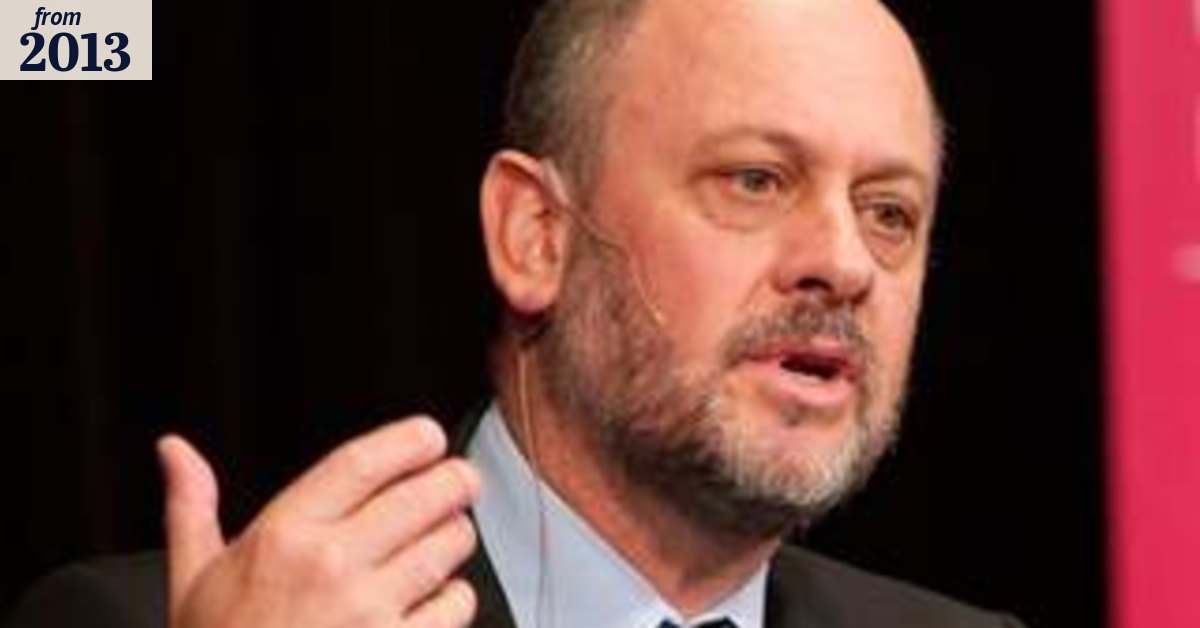
It was headed by Professor Tim Flannery (former Australian of the Year) and included other commissioners such as Professor Veena Sahajwalla, Professor Lesley Hughes, Professor Will Steffen, and Roger Beale [3].
On September 19, 2013, shortly after the Abbott government took office, Environment Minister Greg Hunt called Tim Flannery to inform him that the Commission was being abolished effective immediately [1][4].
Professor Flannery was dismissed from his $180,000-a-year part-time position as Chief Climate Commissioner [4].
**Core factual assertion:** TRUE - The Abbott Coalition government did abolish the Climate Commission.
This was an election promise:** The abolition of the Climate Commission was part of the Coalition's 2013 election platform to dismantle bodies associated with Labor's carbon pricing scheme [1][2].
The government framed this as "streamlining government processes and avoiding duplication of services," stating the Commission's role would be picked up by the Environment Department [1].
**2.
The government also moved to abolish the Climate Change Authority (set up in 2012 to advise on carbon price and emissions targets) and attempted to scrap the Clean Energy Finance Corporation (a $10 billion renewable energy investment fund) [1][5].
**3.
Commission was immediately relaunched:** Less than a week after being abolished, the Commission was relaunched as the independent non-profit **Climate Council**, funded entirely by public donations [3][6].
Tim Flannery stated that Australians "have a right to know - a right to authoritative, independent and accurate information on climate change" and indicated he would continue this work through the new organization [1][6].
**4.
The Commission had produced significant work:** The Commission had released multiple reports, including "The Critical Decade" which summarized climate science and called for urgent action [3].
The original source (ABC News) is Australia's national public broadcaster and is widely regarded as a credible, mainstream news organization with professional journalistic standards.
The article is factual reporting rather than opinion, featuring direct quotes from Tim Flannery, Greg Hunt's official statement, and perspectives from the Australian Conservation Foundation [1].
**Did Labor do something similar?**
Search conducted: "Labor government climate advisory bodies abolished"
**Finding:** The Climate Commission was itself established by the Gillard Labor government in February 2011 [3].
* * * *
Therefore, the comparison is one of policy direction rather than similar abolitions:
- **Labor established the Commission** as part of its climate change policy framework alongside the carbon pricing mechanism introduced in 2012 [3][7].
- **Coalition abolished the Commission** as part of dismantling that framework.
While critics, including the Australian Conservation Foundation and Tim Flannery himself, argued the abolition was a backward step that threatened to "undo years of progress on climate change action" [1], the Coalition government maintained this was about "streamlining government processes and avoiding duplication of services" [1].
**Government justification:**
- The Environment Department could absorb the Commission's functions
- Cost-saving measure ($5.4 million over four years budget)
- Part of broader mandate to dismantle carbon pricing infrastructure, which was a core election promise
**Key context:** This abolition was not unique or unprecedented in the broader context of Australian politics - it represented a partisan policy reversal following an election where climate change was a major issue.
The 2013 election saw Tony Abbott campaign heavily on "axing the tax" (carbon tax), and the abolition of associated bodies was part of that mandate [2][8].
The Commission's work continued through the privately-funded Climate Council, which maintained the same commissioners and mission without government funding [3][6].
**Comparative analysis:** When compared to Labor's approach, this was a fundamental policy reversal rather than an isolated act.
This action was part of the government's broader platform to dismantle climate bodies associated with Labor's carbon pricing scheme, which was a central election promise.
This action was part of the government's broader platform to dismantle climate bodies associated with Labor's carbon pricing scheme, which was a central election promise.