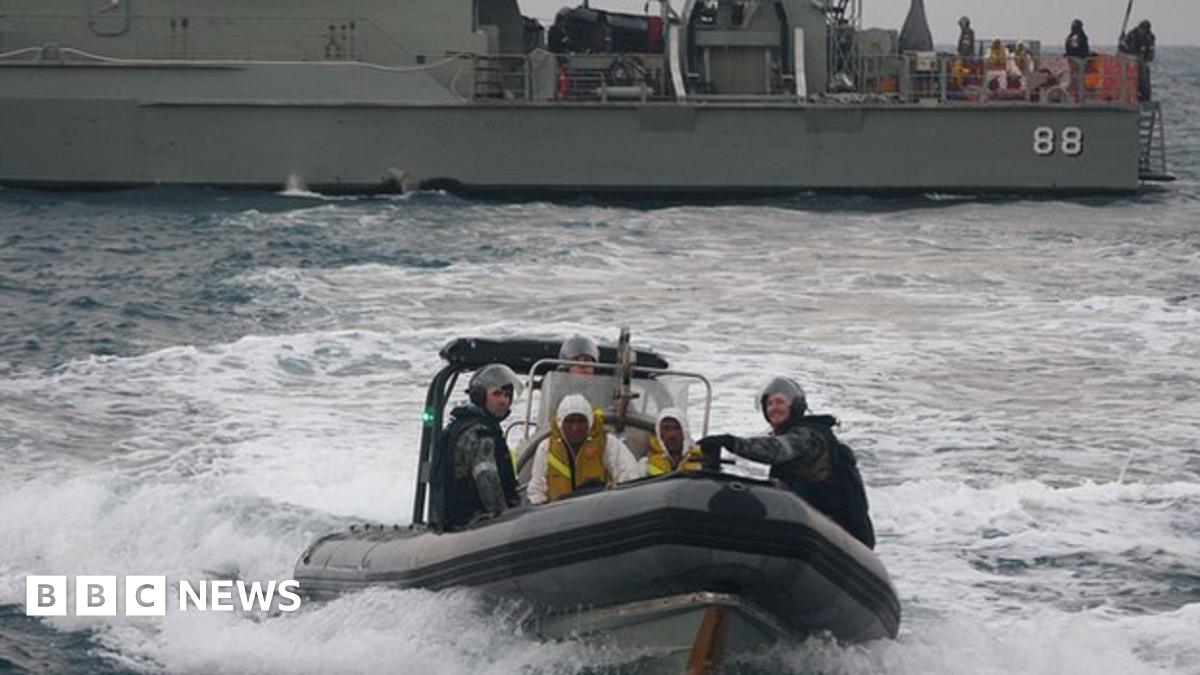
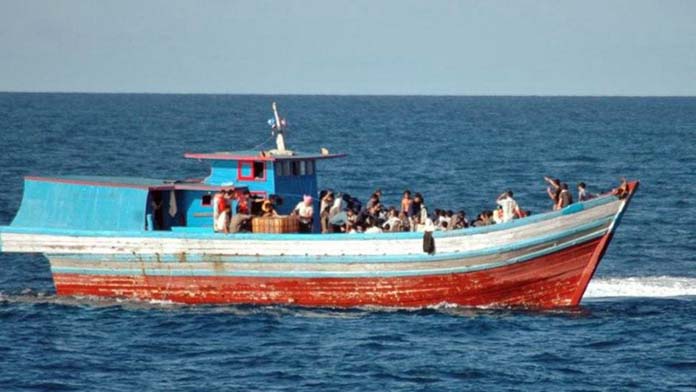
The claim refers to an incident in July 2014 when Australia returned 41 Sri Lankan asylum seekers to Sri Lankan authorities at sea after intercepting them off the Cocos Islands.
The UNHCR (United Nations High Commissioner for Refugees) expressed "deep concern" about the return, specifically noting unease with shipboard processing of protection claims and stating that the "processes used by Australia to assess protection claims at sea do not meet the required international standards" [2].
Regarding torture allegations, documents obtained under Freedom of Information laws revealed that at least two returned asylum seekers later made torture allegations after being returned to Sri Lanka.
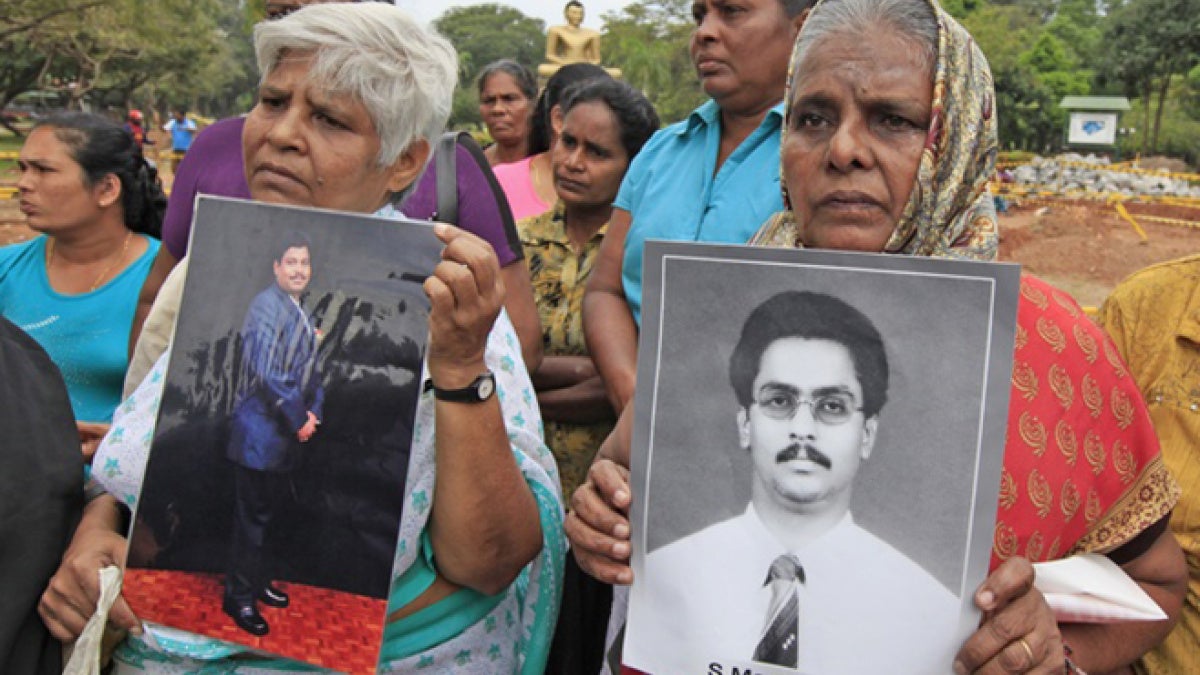
An SBS Dateline program aired in October 2014 featured two men identified as "Bhanu" and "Narada" who described severe torture including fingernail extraction, being hung upside down, and physical beatings [3].
The Australian Federal Police were reportedly aware of these claims but chose not to personally interview the individuals, stating: "In the interests of keeping our distance from the Sri Lankan investigation, we do not intend to take up the offer to meet with him" [3].
Amnesty International, Human Rights Watch, and the Human Rights Law Centre issued a joint statement in December 2014 asserting that "Australia violated its obligations under international law by sending the 37 asylum seekers back to Sri Lanka, without properly assessing their protection claims" [4].
The organizations documented that Sri Lankan authorities had been known to use "torture and rape against ethnic Tamils in detention, including those returned as failed asylum seekers" [4].
While the Sri Lankan government under President Mahinda Rajapaksa faced serious human rights abuse allegations during and after the civil war—including documented cases of torture, arbitrary detention, and summary executions of suspected LTTE sympathizers—"genocide" has not been a formal legal designation applied to Sri Lanka by the UN or international courts [5].
The US State Department's 2014 Human Rights Report cited "attacks on, and harassment of, civil society activists, journalists, and persons viewed as sympathizers of the Liberation Tigers of Tamil Eelam (LTTE) by individuals allegedly tied to the government; involuntary disappearances, arbitrary arrest and detention, torture, abuse of detainees, rape" as major human rights problems [5].
Regarding domestic law violations, the Australian government maintained that its actions were lawful under the Maritime Powers Act and related border protection legislation.
The claim omits that Australia conducted an "enhanced screening" process at sea (cursory questioning) rather than full refugee status determination procedures [4].
The policy was implemented during a period when the Sri Lankan civil war had ended in 2009, and the Australian government publicly argued that conditions for Tamils in Sri Lanka had improved, though human rights organizations disputed this assessment [6].
The claim does not mention that Australia subsequently conducted similar returns on multiple occasions in 2014, including a November 2014 incident where 37 more asylum seekers were returned, and that the High Court of Australia granted an interim injunction to block a separate attempt to return 153 asylum seekers [7].
The policy was defended by the government as necessary to prevent deaths at sea and to maintain border integrity, arguments that the Coalition consistently made throughout its border protection policies.
The current Labor government (elected May 2022) has continued the boat turnback policy established by the Coalition, including returns to Sri Lanka.
はい Hai 。 .
In June 2022, shortly after taking office, the Albanese Labor government intercepted and turned back a boat of Sri Lankan asylum seekers to Sri Lanka [8].
Labor has explicitly maintained the turnback policy, with government spokespeople stating "Policy doesn't change" regarding boat interceptions and returns [8].
The Refugee Action Coalition noted that "the second asylum boat turn back to Sri Lanka under the Albanese Labor government has highlighted the fundamental breach of human rights involved in such turnbacks" [10].
This demonstrates that the practice of returning Sri Lankan asylum seekers—criticized as potential refoulement by human rights organizations—is not unique to the Coalition but has been continued by the Labor government.
The core factual elements of the claim—that Australia returned asylum seekers without adequate protection screening, and that torture subsequently occurred—are supported by credible evidence.
Australian authorities were aware that Sri Lanka had a documented history of torture against returned asylum seekers and ethnic Tamils, but the claim implies knowledge of specific pre-existing torture of these 41 individuals that is not established in the evidence.
3.
The domestic law violation claim is unsubstantiated—the government maintained its actions were lawful under the Maritime Powers Act, and no successful domestic legal challenge was made.
The non-refoulement principle under the Refugee Convention prohibits returning individuals to a place where they face serious threats to life or freedom.
**Key context:** This is NOT unique to the Coalition.
The Labor government has continued similar boat turnback policies, including returns to Sri Lanka, demonstrating bipartisan commitment to hardline asylum seeker policies despite international criticism.
The core factual elements are accurate: Australia did return 41 asylum seekers to Sri Lankan authorities in July 2014 using cursory screening processes, and subsequent torture allegations by returned individuals were documented.
However, the claim overstates certain elements: the characterization of Sri Lanka as a "genocidal government" is not accurate terminology; the assertion that Australia was specifically "aware that many had already been tortured" overstates the evidence; and the claim of domestic law violations is unsubstantiated.
The claim also omits that this policy has been continued by subsequent Labor governments, making it a bipartisan position rather than a Coalition-specific failure.
The core factual elements are accurate: Australia did return 41 asylum seekers to Sri Lankan authorities in July 2014 using cursory screening processes, and subsequent torture allegations by returned individuals were documented.
However, the claim overstates certain elements: the characterization of Sri Lanka as a "genocidal government" is not accurate terminology; the assertion that Australia was specifically "aware that many had already been tortured" overstates the evidence; and the claim of domestic law violations is unsubstantiated.
The claim also omits that this policy has been continued by subsequent Labor governments, making it a bipartisan position rather than a Coalition-specific failure.