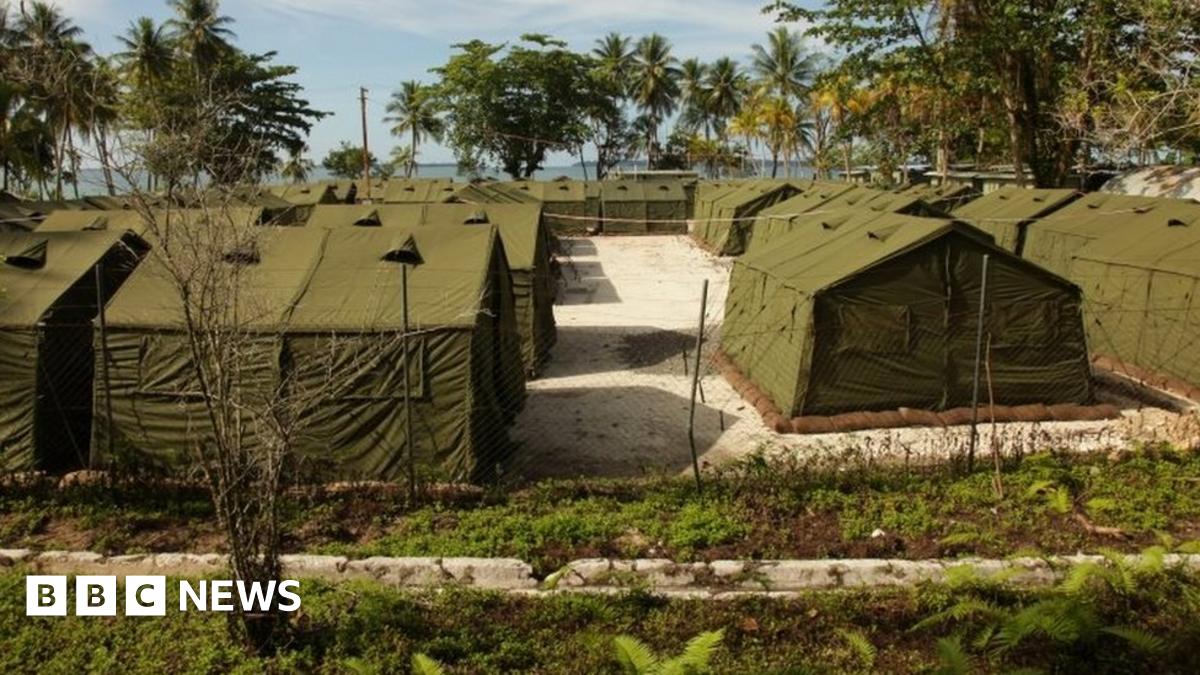
In January 2015, a shipment of "Freedom" brand muesli bars worth approximately $30,000 was rejected and banned from distribution at the Manus Island offshore detention centre after the Department of Immigration and Border Protection intervened [1].
ABC News first reported on January 30, 2015, that the detention centre operator, Transfield Services, refused to accept the shipment because the brand was considered "inappropriate to give to asylum seekers who were locked up" [2].
When first contacted by ABC News on January 30, 2015, the Department of Immigration and Border Protection flatly denied involvement: "Any assertion that the Department directed the service provider not to accept the bars is wrong" [1].
In an apology email to ABC News, the Department stated: "The statement provided to you in January that the Department did not direct the service provider to reject 'Freedom muesli bars' was incorrect.
The FOI documents revealed internal emails showing that Transfield Services had been explicitly directed by the Department not to distribute the bars because "the word freedom is very sensitive to the transferees" [3].
One email from a Transfield logistics and procurement manager stated: "Under no circumstances are we allowed to have the Freedom-branded bars within the RPC.
The claim omits several important contextual details:
**Symbolic sensitivity vs. cruelty**: While the ban appears absurd on its face - banning "Freedom" bars from people who are detained - the stated rationale was that the brand name was "very sensitive" to detainees who were locked up, not as an act of petty cruelty.
The FOI documents indicate concern about the psychological impact of offering products with ironic names to people in detention [3].
**Other brands affected**: The ban extended beyond just "Freedom" bars.
Internal emails indicate that "Liberty" snacks were also flagged with the comment "Just don't mention the container of 'Liberty' snacks ready to go out" [1][3].
This suggests a broader, if poorly conceived, policy about avoiding brand names that could be seen as taunting or insensitive to detained asylum seekers.
**The bars were not wasted**: Freedom Foods marketing manager Rebecca Carson noted that "the bars will be distributed elsewhere, so they won't go to waste" - they were redirected to other distribution channels rather than being destroyed [2].
**Unwrapped bars were still served**: According to the FOI documents, bars that were not returned to Australia were served to detainees without the wrapper - suggesting the issue was specifically the branding, not the food itself [3].
This particular story was based on:
- Initial reporting from sources "close to the issue" [2]
- Freedom of Information documents released by the Department [3]
- Direct email responses from the Department admitting their earlier statement was incorrect [1]
ABC News is generally considered to have centrist to slightly left-leaning editorial positioning but maintains journalistic standards for factual reporting.
**Did Labor do something similar?**
Search conducted: "Labor government Manus Island offshore detention food restrictions symbolic branding"
Finding: The Manus Island detention centre itself was originally opened in 2001 under the Howard Coalition government as part of the "Pacific Solution," was closed by the first Rudd Labor government in 2008, but was **reopened by the Gillard Labor government in August 2012** [4][5].
* * * *
While no specific equivalent to the Freedom bar ban has been documented under Labor's management, the broader context is significant: the offshore detention regime that made such incidents possible was reinstated and maintained by Labor.
The incident represents a specific administrative decision made under Coalition management (January 2015, during the Abbott government), but it occurred within a detention system that Labor had reopened and supported.
Both major Australian political parties have supported offshore detention, though the specific operational decisions and tone of management have varied.
This is **not unique** to the Coalition in the sense that both parties have maintained offshore detention centres where such administrative absurdities can occur.
While critics rightly point to the irony of banning "Freedom" products from people denied freedom [1], the Department's stated rationale - that the name was "sensitive" to detainees - suggests misguided paternalism rather than calculated cruelty.
The FOI documents reveal not only that the Department directed the ban but that officials actively discussed how to manage media fallout, with talking points shifting blame between the Department and Transfield Services [3].
The incident is perhaps best understood not as a unique act of Coalition malice, but as an example of how bureaucratic systems managing morally fraught policies can produce decisions that appear callous or absurd.
**Key context**: This incident, while factually accurate as stated, is not unique to the Coalition's approach - it occurred within a detention system that Labor reopened and both parties have sustained.
The Department of Immigration and Border Protection did ban "Freedom" brand muesli bars from Manus Island detention centre because the word was considered "sensitive" to detainees [1][3].
The Department then initially denied this when asked by ABC News in January 2015, stating "Any assertion that the Department directed the service provider not to accept the bars is wrong" [1].
The Department of Immigration and Border Protection did ban "Freedom" brand muesli bars from Manus Island detention centre because the word was considered "sensitive" to detainees [1][3].
The Department then initially denied this when asked by ABC News in January 2015, stating "Any assertion that the Department directed the service provider not to accept the bars is wrong" [1].