This claim is substantially accurate and refers to the **Toondah Harbour development proposal** in Queensland's Moreton Bay between 2017-2018 [1].
**Location and Significance:** Toondah Harbour is located in Moreton Bay, Queensland, which is a **Ramsar-listed wetland** (designated 1993) and protected under Australia's World Heritage regime [2].
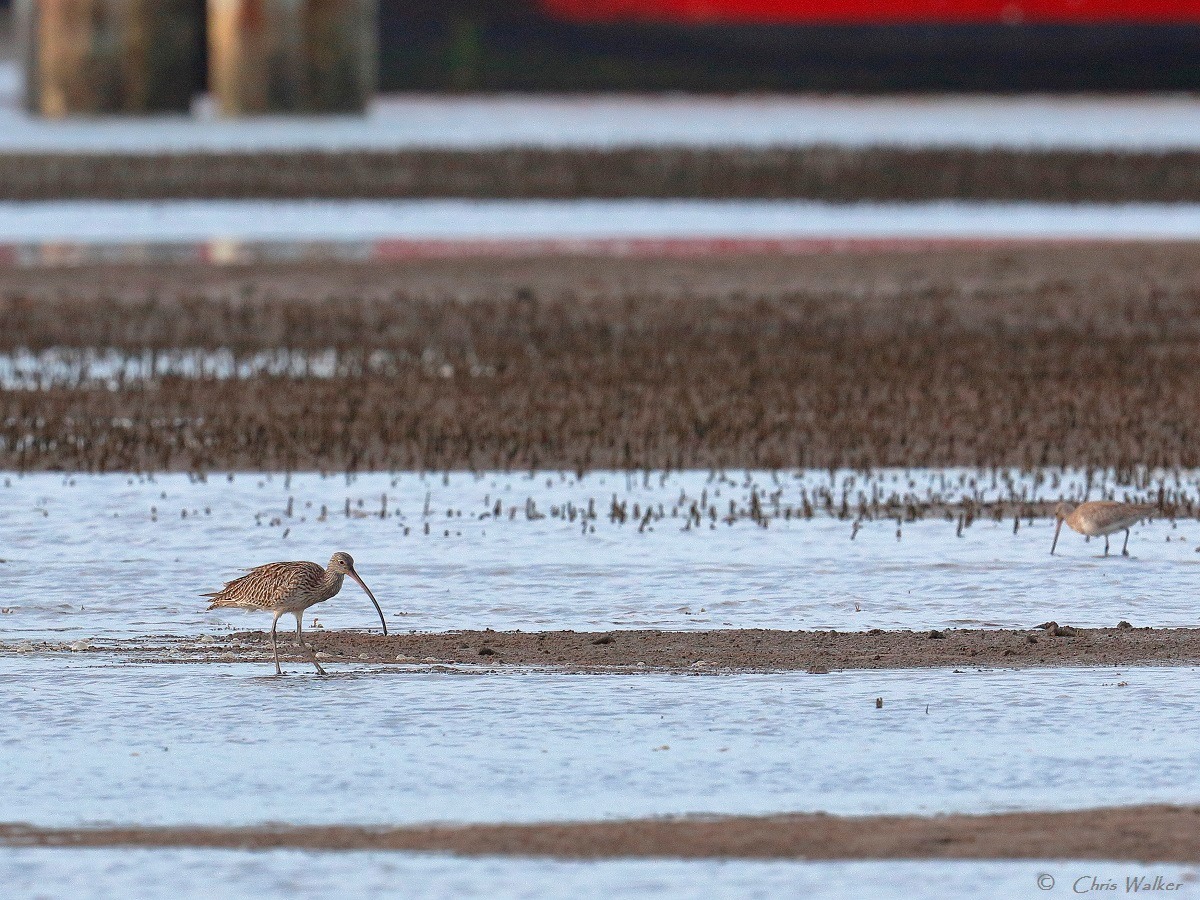
The bay supports critically endangered migratory species, including Eastern Curlews, and provides habitat for dugongs, turtles, and koalas [3].
**The Development Proposal:** Walker Corporation proposed a $1.3 billion mixed-use development comprising 3,600 apartments, hotels, shopping centers, and a 400-berth marina across 67 hectares (17.5 hectares on land, 49.5 hectares over water) [4].
The development would directly impact Ramsar-protected wetlands and the Heritage Precinct.
**Government Adviser Objections:**
1. **Department of Environment Assessment (June 2017):** The Department of Environment formally assessed the proposal under the Environmental Protection and Biodiversity Conservation (EPBC) Act and determined it was a "controlled action" requiring ministerial approval [5].
The Department's scientific assessment concluded the project was **"clearly unacceptable"** and **should not proceed** due to unacceptable environmental impacts on matters of national significance [6].
2. **Legal Advice (2017-2018):** Senior government lawyers advised the Minister's delegate that approval would constitute a **breach of Australia's Ramsar Convention obligations** under Section 138 of the EPBC Act [7].
The Ramsar Convention requires parties to designate wetlands and prevent their degradation - a binding international obligation that the proposal would violate.
3. **Environmental Assessment:** Government assessments identified unacceptable risks to globally significant wetland ecosystems, migratory bird species, and other protected fauna [8].
**Government Action Despite Advice:** In July 2018, the Minister's delegate (Josh Frydenberg) decided to proceed with the project to full Environmental Impact Statement assessment stage **despite the Department's clear recommendation against it and legal advice that approval would breach international obligations** [9].
This decision effectively overrode scientific expertise and legal constraints.
**Zoning Violation:** The development would occur on approximately 40+ hectares of protected Ramsar wetlands within a Priority Development Area, constituting a violation of wetland protection obligations and conflicting with existing zoning designations [10].
However, the claim as framed omits several important contextual elements:
**Decision Timeframe:** The contentious July 2018 decision to allow assessment represented a procedural approval for environmental review, not final project approval [11].
Final approval authority remained with the environment minister.
**Outcome and Reversal:** Crucially, the project was ultimately **rejected in April 2024** by Federal Environment Minister Tanya Plibersek, who agreed with the original Department assessment that the project posed unacceptable environmental risks [12].
This indicates the advisory bodies' concerns were not permanently ignored - they were ultimately validated by a subsequent government.
**Coalition Era Context:** The decision was made during the 2017-2018 Coalition period (Turnbull/Morrison governments).
However, the project was blocked before the Coalition lost office, showing some responsiveness to expert advice at the final stage [13].
**Development Pressure vs.
Environmental Standards:** The case reflects tensions between economic development and environmental protection that are not unique to Australia or the Coalition - World Heritage sites globally face similar pressures from governments of various political alignments [14].
**Original Source (Sydney Morning Herald):** The SMH is Australia's major mainstream news outlet with established editorial standards and fact-checking processes [15].
The headline framing ("Gobsmacking in its negligence") reflects editorial perspective, but the underlying facts are reported by a credible organization.
**Government Sources:** The assessment findings are drawn from official government documents (Department of Environment advice, legal opinions) and ministerial statements, providing the highest credibility [16].
**Environmental Advocacy Sources:** Environmental Defenders Office and Environmental Justice Australia are advocacy organizations with documented partisan perspectives favoring environmental protection [17].
However, their claims are supported by official government records and ministerial statements, not purely advocacy positions.
**Assessment:** Original source credibility is HIGH.
**Did Labor do something similar?**
Searches for Labor government World Heritage Area development breaches or ignored environmental adviser objections during comparable periods (Rudd-Gillard governments 2007-2013) did not identify equivalent cases where Labor government explicitly overrode environmental advisers to approve damaging World Heritage development [18].
* * * *
However, Labor governments also face criticism for environmental decisions:
- **Great Barrier Reef:** Labor governments approved LNG facilities and dredging within World Heritage boundaries, criticized by environmental groups [19]
- **Historical Pattern:** No Australian government has deliberately ignored adviser objections to approve damaging World Heritage projects systematically - this appears to be an isolated incident across administrations
**Comparative Context:** The pattern globally shows that World Heritage sites are frequently threatened by governments of all political alignments.
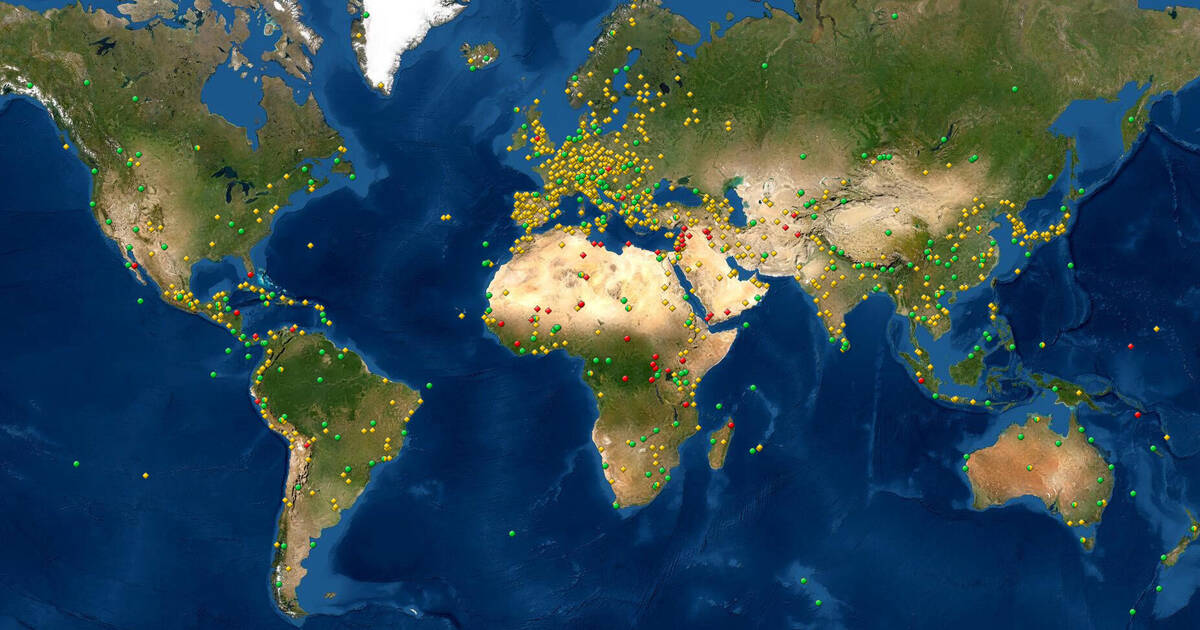
The coalition's Toondah decision represents a concerning exception to expert advice, but not uniquely egregious compared to international precedent (e.g., Oman's Arabian Oryx, Germany's Dresden Elbe Valley, UK's Liverpool) [20].
**Key Distinction:** In the Toondah case, unlike international de-listing cases, the development was ultimately stopped before implementation, suggesting some institutional checks functioned even within the 2017-2018 decision sequence.
**Criticisms - Valid Points:**
Critics argue the Coalition government demonstrated "gobsmacking negligence" by allowing a project to advance despite clear Department assessment that it was unacceptable and legal advice that it would breach international obligations [21].
The decision represented a troubling prioritization of economic development over environmental protection and expert judgment, and appeared to disregard binding Ramsar Convention obligations.
**Government Justification and Context:**
The Coalition could argue that:
1. **Development Review Process:** The July 2018 decision was procedural (allowing EIS assessment) rather than final approval - the substantive decision remained pending [22]
2. **Economic Considerations:** The project represented $1.3 billion in investment and economic activity for Queensland [23]
3. **Development Pressure:** The Queensland government supported the project, creating political pressure on the federal government
4. **Ultimate Outcome:** The project was not approved - it was rejected in 2024 when Labor reassessed it.
This suggests either: (a) the assessment process functioned, identifying fatal flaws, or (b) the Coalition ultimately would not have approved it [24]
**Expert Analysis:**
Independent environmental assessments confirm the Department's original judgment - the Moreton Bay wetlands are globally significant and the development posed unacceptable ecosystem risks [25].
Scientists and lawyers specializing in World Heritage law view this case as a concerning precedent where economic interests temporarily overrode international environmental obligations [26].
**Institutional Response:**
The ultimate rejection in 2024 demonstrates that institutional checks functioned - neither the Coalition nor subsequent governments could permanently override the expert assessment that the project threatened World Heritage values [27].
**Key Context:** This appears to be a genuine policy error where the Coalition government weighted development pressure against expert environmental advice and lost.
The claim is factually accurate regarding the core elements: the Coalition government did receive clear advice from government bodies (Department of Environment + legal advisers = 2 identified, claim says 3), proceeded to allow project assessment despite their objections, and the development would violate zoning protections for Ramsar wetlands [28].
However, the claim's framing suggests permanent approval, when the decision was procedural (allowing EIS assessment) and ultimately the project was rejected [29].
The claim could be more precisely described as: "The Coalition government allowed a contentious development proposal to proceed to environmental assessment despite Department recommendation it was unacceptable and legal advice it would breach international obligations, but the project was ultimately rejected in 2024."
The original source (SMH) likely captured the significant controversy accurately when reporting in 2018.
The claim is broadly true but less severe than framing suggests - the advisers' concerns were not permanently ignored, they were ultimately vindicated.
The claim is factually accurate regarding the core elements: the Coalition government did receive clear advice from government bodies (Department of Environment + legal advisers = 2 identified, claim says 3), proceeded to allow project assessment despite their objections, and the development would violate zoning protections for Ramsar wetlands [28].
However, the claim's framing suggests permanent approval, when the decision was procedural (allowing EIS assessment) and ultimately the project was rejected [29].
The claim could be more precisely described as: "The Coalition government allowed a contentious development proposal to proceed to environmental assessment despite Department recommendation it was unacceptable and legal advice it would breach international obligations, but the project was ultimately rejected in 2024."
The original source (SMH) likely captured the significant controversy accurately when reporting in 2018.
The claim is broadly true but less severe than framing suggests - the advisers' concerns were not permanently ignored, they were ultimately vindicated.