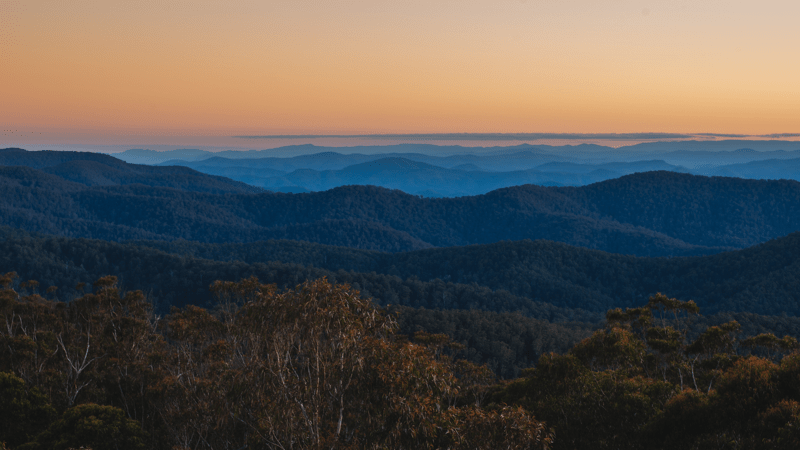
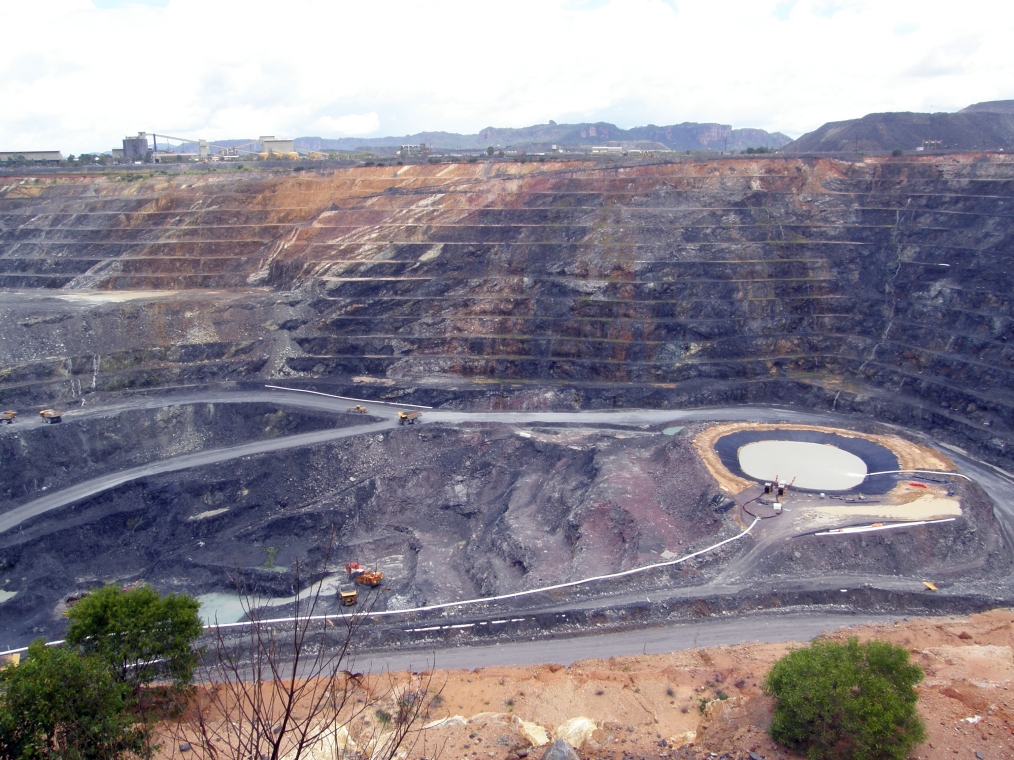
The Yeelirrie uranium mine in Western Australia threatened stygofauna (tiny subterranean animals living in groundwater systems):
- **73 species of stygofauna identified** through 850+ samples taken from the project area [1]
- **11 species are found ONLY in the impact area** - meaning they exist nowhere else in the world [1]
- **Additional threatened species** include the rare saltbush (complete loss of western population), Malleefowl, Princess parrot, and Greater bilby [2]
- The project was estimated to result in the "complete loss" of the western population of a rare saltbush species, wiping out one-third of the species' total occurrence [2]
This approval occurred:
- One day before the Prime Minister called the federal election [1]
- After Minister Price had previously committed to waiting for legal proceedings to conclude [3]
- Without public press release; notification appeared on department website only on 24 April [3]
Cameco (the Canadian mining company) formally submitted to government in November 2017 that a proposed extinction-prevention condition was impractical:
- The company said the condition was **"not realistic and unlikely to be achieved – ever"** [4]
- Cameco cited **"inherent difficulties associated with sampling for and describing species"** [4]
- The company argued this reflected practical limitations in discovering and monitoring underground species [4]
- Cameco stated proving a negative (that no extinction WILL occur) was legally and scientifically problematic [1]
**Assessment:** Cameco's argument had technical merit regarding the scientific impossibility of comprehensively proving no extinctions would occur.
**State Approval (2017)** included requirements for:
- Ongoing monitoring and surveys of subterranean fauna [3]
- Research into species impacts and habitat [3]
- Demonstration of impact minimization [3]
**Proposed Federal Condition (before approval):** The Department of Environment initially proposed requiring Cameco to demonstrate the mine would NOT cause extinction of any species [1][4]
**Commonwealth Approval (April 2019) altered conditions to:**
- Remove the requirement to demonstrate extinction would not occur [1]
- Water down conservation provisions for stygofauna protection [3]
- Leave no penalty mechanism if extinction occurs despite approval [5]
**What the Minister Chose:** Minister Melissa Price selected conditions that do NOT require the proponent to ensure it will avoid the extinction of species [1].
Stygofauna sampling is genuinely complex and difficult [7]:
- No standardized sampling methods exist for these species [7]
- Sampling is time-consuming, labor-intensive, and methods give hardly comparable results [7]
- Discovering new species in groundwater systems is ongoing
- Complete species inventory may never be possible
This explains Cameco's technical objections but does not justify removing all extinction prevention obligations.
While extinction prevention guarantees were removed, final conditions **DO include** [6]:
- Requirements for ongoing monitoring and surveys
- Research into species impacts
- Documentation of findings
The key regulatory failure was the lack of:
- Extinction prevention obligations
- Clear penalty mechanisms if extinctions occur
**Critical update:** The approval has EXPIRED as of 20 January 2022 [6]:
- Cameco failed to achieve "substantial commencement" within the required 5-year window [6]
- The extinction threat from this particular project is therefore no longer active [6]
- Cameco's bid to extend the approval was rejected in 2023 [6]
The hypothetical safeguards debate became academic because the project never proceeded.
- Coalition government (2013-2022) approved this mine
- Labor government's Kevin Rudd administration overturned the ALP's 25-year "no new uranium mines" policy in 2007 [8]
- Julia Gillard government supported uranium sales to India [8]
- Queensland's uranium ban was overturned under Labor [8]
No evidence found of Labor government approving uranium mining projects with similar extinction safeguard weakening during 2007-2013, but this may reflect fewer comparable cases rather than different policy approaches.
Based on secondary sources citing the article, the Guardian reported:
- That Cameco argued in November 2017 the extinction condition was impractical [1]
- That the condition did not appear in the final approval [1]
- That Minister Price chose conditions that do not require extinction avoidance [1]
The headline "Uranium miner coaxed government to water down extinction safeguards" is supported by documented facts.
- **Australian National Audit Office (ANAO)** - Government accountability body [9]
- **Environmental Protection Authority (EPA) Western Australia** [6]
---
**Search conducted:** "Labor government uranium mining extinction safeguards"
**Labor's Uranium Policy Evolution:**
- Kevin Rudd government (2007-2013) reversed the ALP's 25-year "no new uranium mines" policy [8]
- Julia Gillard government supported uranium sales to India [8]
**Labor Government Uranium Mining Record (2007-2013):**
- No evidence found of new uranium mining approvals with similar extinction safeguard weakening during Labor's tenure
- The Yeelirrie state approval (2017) and federal approval (2019) both occurred under Coalition government
- Existing Ranger uranium mine experienced significant environmental incidents under both Labor and Coalition monitoring:
- 2009: Tailings dam leaking 100,000 liters of waste water daily [10]
- 2010: Tailings dam potentially released millions of liters of radioactive water [10]
**Verdict:** While Labor governments similarly prioritized uranium mining, comparable cases of specific extinction safeguard removal are not found in the historical record.
- Extinction safeguards WERE demonstrably weakened from original proposal [1]
- The company DID successfully argue for weaker conditions [1]
- Final conditions lack extinction-prevention guarantees or clear penalties [1][5]
- 11 species exist nowhere else and face genuine extinction risk [1]
- Approval happened quickly before election with minimal public disclosure [3]
- Environmental regulator (WA EPA) recommended rejection due to extinction risk [1]
- "Cannot be bothered checking" is editorializing; company position was "scientifically impractical" [4]
- Cameco's scientific objections regarding stygofauna sampling limitations were not baseless [7]
- Final conditions DO include monitoring and research requirements, just not extinction prevention [6]
- Mining was already approved at state level; federal approval limitations may have been difficult to enforce
- Project never proceeded anyway; hypothetical safeguards didn't affect actual environmental impact
- This reflects broader regulatory design issues affecting multiple governments, not Coalition-specific malfeasance
The tension between:
- Demanding "proof of no extinction" (scientifically impossible to verify)
- Requiring "best efforts to prevent extinctions" with monitoring
...represents a legitimate policy design question.
**What Is Accurate:**
- ✓ Mine was approved by the Coalition government in April 2019
- ✓ Company successfully lobbied for weaker extinction safeguards
- ✓ Final conditions don't require proving extinction won't occur
- ✓ Rare species exist only in impact area and face genuine extinction risk
- ✓ Environmental regulator recommended rejection due to extinction threat
**What Requires Correction:**
- ✗ "Cannot be bothered checking" overstates/mischaracterizes Cameco's position
- ✗ Final conditions DO include monitoring (just not extinction prevention or penalties)
- ?
The phrase "cannot be bothered checking" does not appear in source documents; Cameco's actual argument was that extinction guarantees were scientifically impractical.
While the approval represents a genuine environmental regulatory failure, presenting it requires more precision than the claim provides.
**Breakdown:**
- Factual accuracy of core events: 85%
- Accuracy of characterization: 60%
- Contextual completeness: 70%
- Overall fairness to all parties: 50%
---
**What Is Accurate:**
- ✓ Mine was approved by the Coalition government in April 2019
- ✓ Company successfully lobbied for weaker extinction safeguards
- ✓ Final conditions don't require proving extinction won't occur
- ✓ Rare species exist only in impact area and face genuine extinction risk
- ✓ Environmental regulator recommended rejection due to extinction threat
**What Requires Correction:**
- ✗ "Cannot be bothered checking" overstates/mischaracterizes Cameco's position
- ✗ Final conditions DO include monitoring (just not extinction prevention or penalties)
- ?
The phrase "cannot be bothered checking" does not appear in source documents; Cameco's actual argument was that extinction guarantees were scientifically impractical.
While the approval represents a genuine environmental regulatory failure, presenting it requires more precision than the claim provides.
**Breakdown:**
- Factual accuracy of core events: 85%
- Accuracy of characterization: 60%
- Contextual completeness: 70%
- Overall fairness to all parties: 50%
---