
L'Affermazione
“Ritirato tutti i finanziamenti della Commonwealth per i posti supportati dalla Commonwealth all'Università.”
Fonti Originali
✅ VERIFICA DEI FATTI
Contesto Mancante
Valutazione Credibilità Fonte
Confronto con Labor
Prospettiva Equilibrata
FALSO
2.0
/ 10
Punteggio Finale
2.0
/ 10
FALSO
📚 FONTI & CITAZIONI (10)
-
1

2014 Australian federal budget - higher education reforms
Wikipedia -
2

Senate defeats university funding bill 34-30
The much-awaited higher education reform bill has now been introduced to parliament. If passed, it will result in the most significant changes to the Australian higher education system since the Dawkins…
The Conversation -
3

University funding reform blocked? There's a pretty obvious 'Plan B'
The Senate has rejected the Coalition’s plans to deregulate university fees, cut university funding by 20% and extend government subsidies to private providers, despite a few modest measures offered at…
The Conversation -
4
Commonwealth Supported Places (CSPs) - Study Assist
Studyassist Gov
-
5

Labor government efficiency dividends hit universities hard
The Coalition has had longer than a three year cycle to make some changes to education. But since the 2016 election, what has it actually done? And what is Labor proposing?
The Conversation -
6

The Commonwealth used to fund universities: what happened?
When the Whitlam government assumed responsibility from the states for all higher education funding in 1974, the Commonwealth provided 90% of universities’ income. By 2010 this had fallen to about 42…
The Conversation -
7

65,000 students may repay student loans sooner
Details of university plans also reveal no government money has been allocated to commonwealth scholarships
the Guardian -
8
History of tertiary education fees in Australia - HECS introduction
K12academics
Original link no longer available -
9
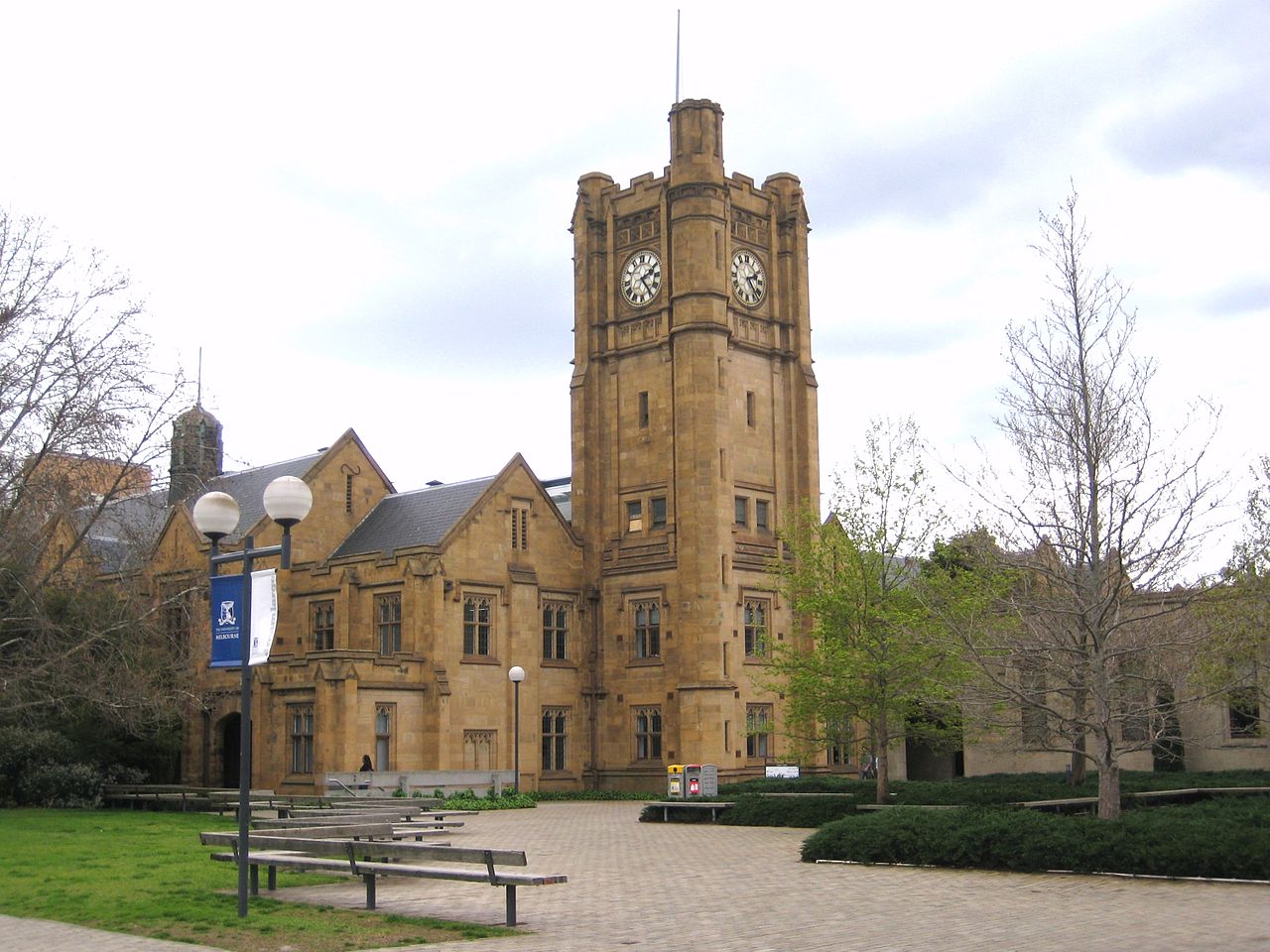
Tertiary education in Australia - funding policy evolution
Wikipedia -
10
Long-term trends in Australian university funding
Universities Australia
Metodologia della Scala di Valutazione
1-3: FALSO
Fattualmente errato o fabbricazione malevola.
4-6: PARZIALE
Un po' di verità ma il contesto è mancante o distorto.
7-9: PREVALENTEMENTE VERO
Tecnicismi minori o problemi di formulazione.
10: ACCURATO
Perfettamente verificato e contestualmente equo.
Metodologia: Le valutazioni sono determinate attraverso il confronto incrociato di documenti governativi ufficiali, organizzazioni indipendenti di verifica dei fatti e documenti di fonti primarie.