Fuorviante

Valutazione: 3.0/10

Coalition
C0970

L'Affermazione

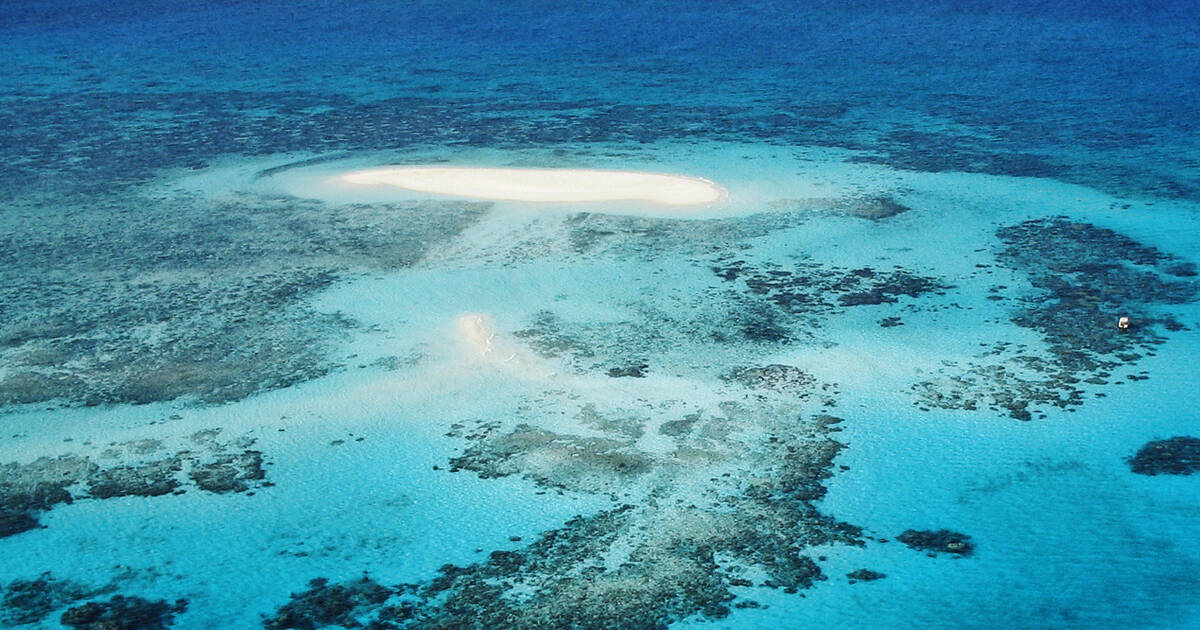
“Ha approvato l'espansione del porto di carbone di Abbott Point, che prevedeva lo scarico di 3 milioni di tonnellate di materiale di dragaggio sulla Grande Barriera Corallina, minacciando così l'intero settore turistico e dell'ospitalità del Queensland, nonché lo status di patrimonio della barriera.”
Fonte Originale: Matthew Davis
Analizzato: 3 Feb 2026

Fonti Originali

VERIFICA DEI FATTI

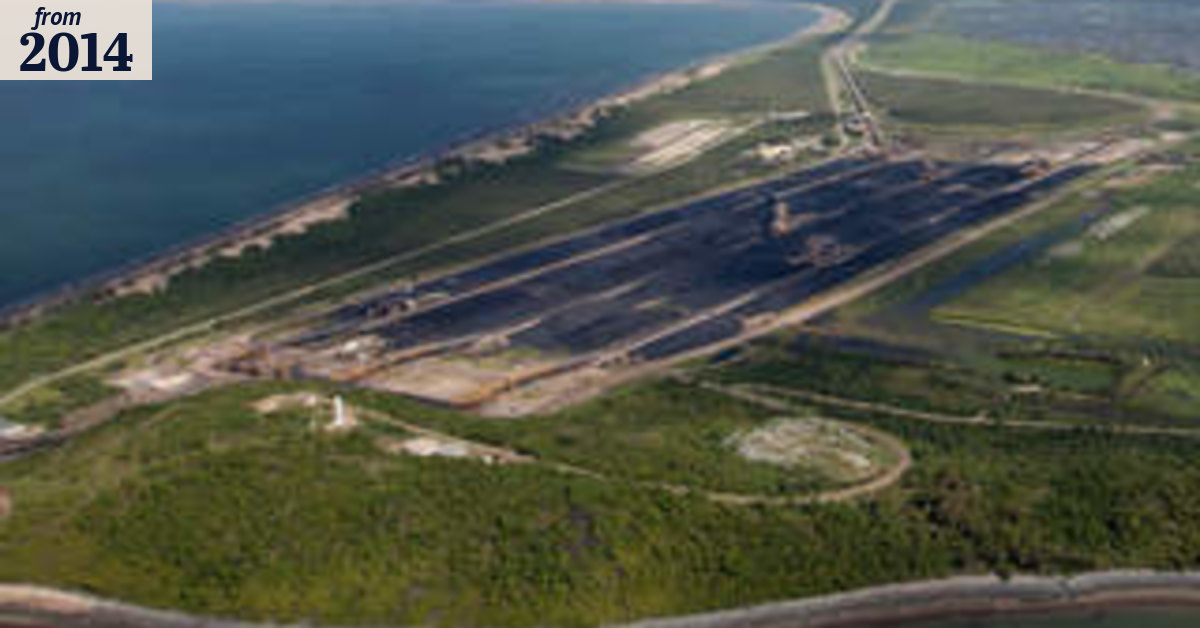
**L'approvazione è avvenuta:** Nel gennaio 2014, l'Autorità del Parco Marino della Grande Barriera Corallina (GBRMPA) ha approvato una proposta per scaricare 3 milioni di metri cubi di materiale di dragaggio dall'espansione del terminale di carbone di Abbott Point all'interno del Parco Marino della Grande Barriera Corallina [1].
**The approval did occur:** In January 2014, the Great Barrier Reef Marine Park Authority (GBRMPA) approved a proposal to dump 3 million cubic metres of dredge spoil from the Abbott Point coal terminal expansion within the Great Barrier Reef Marine Park [1].
Il Ministro federale dell'Ambiente Greg Hunt aveva approvato il progetto più ampio nel dicembre 2013 [2]. **Confusione sulle unità - metri cubi vs tonnellate:** L'affermazione parla di "3 milioni di tonnellate", ma il volume effettivamente approvato era di 3 milioni di metri cubi [1][3].
Federal Environment Minister Greg Hunt had approved the broader project in December 2013 [2]. **Unit confusion - cubic metres vs tonnes:** The claim states "3 million tonnes" but the actual approved volume was 3 million cubic metres [1][3].
Queste unità non sono equivalenti.
These are not equivalent.
Il materiale di dragaggio (sedimenti del fondale marino) ha tipicamente una densità di circa 1,5-2,0 tonnellate per metro cubo quando bagnato, il che significa che 3 milioni di metri cubi peserebbero circa 4,5-6 milioni di tonnellate, non 3 milioni di tonnellate [4].
Dredge spoil (seabed material) typically has a density of approximately 1.5-2.0 tonnes per cubic metre when wet, meaning 3 million cubic metres would weigh approximately 4.5-6 million tonnes, not 3 million tonnes [4].
L'affermazione sottostima il volume confondendo le unità. **Lo scarico effettivo non è mai avvenuto come approvato:** In un'importante evoluzione non menzionata nell'affermazione, il governo del Queensland ha annunciato nel settembre 2014 che avrebbe abbandonato il piano di scarico in mare a favore dello smaltimento a terra [5][6].
The claim understates the volume by conflating units. **The actual dumping never occurred as approved:** In a significant development not mentioned in the claim, the Queensland Government announced in September 2014 that it would abandon the plan to dump dredge spoil at sea in favor of onshore dumping [5][6].
Entro novembre 2014, il governo del Queensland aveva approvato un piano per scaricare il materiale su terreni industriali vacanti anziché nelle acque della barriera [7].
By November 2014, the Queensland Government had endorsed a plan to dump the material on vacant industrial land rather than in reef waters [7].
La dichiarazione di impatto ambientale finale (2015) ha riflesso questa modifica, prevedendo il dragaggio di 1,1 milioni di metri cubi (non 3 milioni) da collocare su terreni industriali vacanti [8].
The final Environmental Impact Statement (2015) reflected this change, involving dredging 1.1 million cubic metres (not 3 million) to be placed on vacant industrial land [8].

Contesto Mancante

**Il progetto è stato significativamente modificato:** L'affermazione presenta la situazione come se 3 milioni di tonnellate/metri cubi fossero effettivamente stati scaricati sulla barriera.
**The project was significantly modified:** The claim presents the situation as if 3 million tonnes/cubic metres were actually dumped onto the reef.
Tuttavia, in seguito all'opposizione pubblica diffusa e alle preoccupazioni ambientali, sia il volume che la localizzazione sono stati modificati.
However, following widespread public opposition and environmental concerns, both the volume and location were changed.
Il progetto finale approvato ha comportato: - Volume ridotto: Da 3 milioni di metri cubi a 1,1 milioni di metri cubi [8] - Localizzazione modificata: Da scarico in mare a smaltimento su terreni industriali a terra [6][7] **Il governo del Queensland (LNP) ha cambiato rotta:** Il governo Newman LNP, inizialmente favorevole allo scarico in mare, ha invertito la sua posizione alla fine del 2014 a causa della pressione politica e delle preoccupazioni ambientali [5][6].
The final approved project involved: - Reduced volume: From 3 million cubic metres to 1.1 million cubic metres [8] - Changed location: From marine dumping to onshore industrial land disposal [6][7] **Queensland Government (LNP) changed course:** The Newman LNP government, initially supportive of marine dumping, reversed its position in late 2014 due to political pressure and environmental concerns [5][6].
Questa inversione di rotta è completamente omessa dall'affermazione. **Sono state imposte condizioni rigorose:** L'approvazione originale includeva "29 delle condizioni più rigorose nella storia australiana" secondo il Dipartimento dell'Ambiente [9], inclusi requisiti per un beneficio netto del 150% nella qualità dell'acqua e requisiti di monitoraggio estensivi. **L'UNESCO non ha inserito la barriera nella lista 'in pericolo':** Nonostante le preoccupazioni sollevate nel 2014, l'UNESCO ha rinviato la sua decisione al 2015, e la Grande Barriera Corallina non è stata inserita nella lista del Patrimonio Mondiale in Pericolo in quel momento [10][11].
This reversal is entirely omitted from the claim. **Strict conditions were imposed:** The original approval included "29 of the strictest conditions in Australian history" according to the Department of Environment [9], including requirements for 150% net benefit in water quality and extensive monitoring requirements. **UNESCO did not list the reef as 'in danger':** Despite concerns raised in 2014, UNESCO deferred its decision until 2015, and the Great Barrier Reef was not placed on the World Heritage in Danger list at that time [10][11].

Valutazione Credibilità Fonte

**Articolo SMH (29 gennaio 2014):** - Autore: Tom Arup, giornalista ambientale affermato - Pubblicazione: The Sydney Morning Herald - quotidiano australiano mainstream e affidabile - Contenuto: Riporta le preoccupazioni degli attivisti ma verifica i fatti di base sull'approvazione - Limitazione: Pubblicato all'inizio della controversia, prima che fosse proposta la soluzione di scarico a terra **Articolo The Guardian (11 luglio 2014):** - Autore: Oliver Milman, giornalista affermato di Guardian Australia - Pubblicazione: The Guardian - testata internazionale mainstream e affidabile - Contenuto: Riporta su documenti FOIA che rivelano dispute sulle stime dei costi tra lo sviluppatore e l'autorità del parco marino - Limitazione: Pubblicato nel mezzo della controversia, non riflette l'eventuale inversione di politica Entrambe le fonti sono testate giornalistiche mainstream affidabili, non organizzazioni di advocacy partigiane.
**SMH Article (January 29, 2014):** - Author: Tom Arup, an established environment journalist - Publication: The Sydney Morning Herald - mainstream, reputable Australian newspaper - Content: Reports on activist concerns but does verify the basic facts about the approval - Limitation: Published early in the controversy, before the onshore dumping solution was proposed **The Guardian Article (July 11, 2014):** - Author: Oliver Milman, established Guardian Australia journalist - Publication: The Guardian - mainstream, reputable international outlet - Content: Reports on FOI documents revealing cost estimate disputes between the developer and marine park authority - Limitation: Published mid-controversy, doesn't reflect the eventual policy reversal Both sources are credible mainstream media outlets, not partisan advocacy organizations.
Tuttavia, entrambi gli articoli sono stati pubblicati prima della decisione del settembre 2014 del governo del Queensland di passare allo scarico a terra, il che significa che presentano un quadro incompleto del risultato finale.
However, both articles were published before the Queensland Government's September 2014 decision to move to onshore dumping, meaning they present an incomplete picture of the eventual outcome.
⚖️

Confronto con Labor

**Il Labor ha fatto qualcosa di simile?** Ricerca effettuata: "governo Labor Grande Barriera Corallina dragaggio espansione porto carbone Queensland" **Risultato:** Il governo Laburista del Queensland (2009-2012) aveva i propri piani per l'espansione del porto.
**Did Labor do something similar?** Search conducted: "Labor government Great Barrier Reef dredging coal port expansion Queensland" **Finding:** The Queensland Labor government (2009-2012) had its own plans for port expansion.
Secondo una dichiarazione del governo del Queensland nel gennaio 2014, "La quantità di dragaggio che avrà luogo ad Abbot Point in base a questo processo è un decimo di quella proposta dal precedente governo Laburista" [12].
According to a Queensland government statement in January 2014, "The amount of dredging that will take place at Abbot Point under this process is one-tenth of that proposed by the former Labor government" [12].
Questo suggerisce che il Labor aveva considerato proposte di dragaggio significativamente più grandi per Abbott Point. **Storia dell'espansione del porto sotto il Labor:** - Il governo Laburista Bligh (2007-2012) aveva proposto sviluppi nella regione del Bacino Galilee che avrebbero richiesto l'espansione del porto - L'affermazione omette che anche il Labor sosteneva lo sviluppo delle risorse e le infrastrutture associate - Le espansioni portuali a Hay Point e Gladstone sono proseguite sotto entrambi i governi Laburista e della Coalizione a livello statale e federale **Contesto più ampio:** Le espansioni portuali per l'esportazione di carbone sono state sostenute da entrambi i principali partiti in Queensland, poiché entrambi hanno cercato di facilitare lo sviluppo minerario nel Bacino Galilee.
This suggests Labor had considered significantly larger dredging proposals for Abbott Point. **History of port expansion under Labor:** - The Bligh Labor government (2007-2012) had proposed developments in the Galilee Basin region that would require port expansion - The claim omits that Labor also supported resource development and associated infrastructure - Port expansions at Hay Point and Gladstone proceeded under both Labor and Coalition governments at state and federal levels **Broader context:** Port expansions for coal export have been supported by both major parties in Queensland, as both have sought to facilitate mining development in the Galilee Basin.
La differenza è principalmente nella scala e nelle condizioni ambientali, non nella direzione politica fondamentale.
The difference is primarily in scale and environmental conditions, not in fundamental policy direction.
🌐

Prospettiva Equilibrata

**Cosa l'affermazione ottiene correttamente:** - Un'approvazione è stata effettivamente concessa nel gennaio 2014 per 3 milioni di metri cubi di scarico di materiale di dragaggio all'interno del Parco Marino della Grande Barriera Corallina [1] - C'erano preoccupazioni legittime sugli impatti sulla barriera e sull'industria turistica [13][14] - L'UNESCO ha effettivamente espresso preoccupazioni sullo status di Patrimonio Mondiale della barriera [10] **Cosa l'affermazione omette o travisa:** 1. **Lo scarico non è mai avvenuto come descritto:** Il piano di scarico in mare è stato abbandonato a favore dello smaltimento a terra [6][7] 2. **Il volume è stato ridotto:** Il progetto finale ha coinvolto 1,1 milioni di metri cubi, non 3 milioni [8] 3. **Confusione sulle unità:** L'affermazione indica erroneamente "tonnellate" quando la misurazione era in metri cubi - unità diverse con implicazioni diverse 4. **Risposta del governo alle critiche:** Il governo del Queensland ha invertito la sua posizione dopo le proteste pubbliche, adottando infine una soluzione a terra [5][6] 5. **Condizioni ambientali rigorose:** L'approvazione originale includeva condizioni estensive per il monitoraggio e la compensazione della qualità dell'acqua [9] 6. **Storia del Labor:** I precedenti governi Laburisti avevano considerato proposte di dragaggio ancora più grandi per la stessa area [12] **Legittimo contesto politico:** - L'espansione di Abbott Point era progettata per facilitare le esportazioni di carbone dal Bacino Galilee, rappresentando un significativo investimento economico (16,5 miliardi di dollari solo per il progetto Carmichael) [15] - Il progetto ha comportato compromessi complessi tra sviluppo economico e protezione ambientale - Entrambi i principali partiti hanno storicamente sostenuto lo sviluppo delle risorse in Queensland
**What the claim gets right:** - An approval was indeed granted in January 2014 for 3 million cubic metres of dredge spoil dumping within the Great Barrier Reef Marine Park [1] - There were legitimate concerns about impacts on the reef and tourism industry [13][14] - UNESCO did express concerns about the reef's World Heritage status [10] **What the claim omits or misrepresents:** 1. **The dumping never happened as described:** The marine dumping plan was abandoned in favor of onshore disposal [6][7] 2. **Volume was reduced:** The final project involved 1.1 million cubic metres, not 3 million [8] 3. **Unit confusion:** The claim incorrectly states "tonnes" when the measurement was cubic metres - different units with different implications 4. **Government response to criticism:** The Queensland Government reversed its position after public outcry, eventually adopting an onshore solution [5][6] 5. **Strict environmental conditions:** The original approval included extensive conditions for monitoring and water quality offsets [9] 6. **Labor's history:** Previous Labor governments had considered even larger dredging proposals for the same area [12] **Legitimate policy context:** - The Abbott Point expansion was designed to facilitate coal exports from the Galilee Basin, representing significant economic investment ($16.5 billion for the Carmichael project alone) [15] - The project involved complex trade-offs between economic development and environmental protection - Both major parties have historically supported resource development in Queensland

FUORVIANTE

3.0

/ 10

L'affermazione contiene errori di fatto e presenta un'immagine fuorviante di ciò che è effettivamente accaduto: 1. **Confusione sulle unità:** "3 milioni di tonnellate" è errato - il volume approvato era di 3 milioni di metri cubi, che peserebbe significativamente di più (circa 4,5-6 milioni di tonnellate a seconda della densità).
The claim contains factual errors and presents a misleading picture of what actually occurred: 1. **Unit confusion:** "3 million tonnes" is incorrect - the approved volume was 3 million cubic metres, which would weigh significantly more (approximately 4.5-6 million tonnes depending on density).
Questo suggerisce che l'autore dell'affermazione abbia frainteso o travisato le unità. 2. **L'atto principale non è mai avvenuto:** L'affermazione presenta la situazione come se il materiale di dragaggio fosse stato scaricato sulla barriera.
This suggests the claim author misunderstood or misrepresented the units. 2. **The core act never happened:** The claim presents the situation as if dredge spoil was dumped on the reef.
In realtà, il piano di scarico in mare è stato abbandonato entro pochi mesi dall'approvazione, sostituito dallo smaltimento a terra su terreni industriali. 3. **Inquadramento datato:** L'affermazione utilizza articoli del 2014 che precedono l'inversione di politica, presentando le approvazioni iniziali come risultati finali senza riconoscere il successivo passaggio allo scarico a terra. 4. **Minacce esagerate:** Sebbene l'UNESCO abbia espresso preoccupazioni, la barriera non è stata inserita nella lista del Patrimonio Mondiale in Pericolo.
In reality, the marine dumping plan was abandoned within months of approval, replaced by onshore disposal on industrial land. 3. **Outdated framing:** The claim uses 2014 news articles that predate the policy reversal, presenting initial approvals as final outcomes without acknowledging the subsequent change to onshore dumping. 4. **Exaggerated threats:** While UNESCO did express concerns, the reef was not placed on the World Heritage in Danger list.
L'affermazione che l'approvazione "minacciava così" lo status di patrimonio sovrastima il risultato effettivo.
The claim's assertion that the approval "thereby threatened" the heritage status overstates the actual outcome.
L'affermazione si basa su fonti pubblicate prima della risoluzione della controversia, creando un'impressione fuorviante che 3 milioni di tonnellate di materiale fossero effettivamente state scaricate nelle acque della barriera, quando ciò non è avvenuto.
The claim relies on sources published before the resolution of the controversy, creating a misleading impression that 3 million tonnes of spoil was actually dumped into reef waters when this did not occur.

📚 FONTI & CITAZIONI (15)

  1. 1
    Abbot Point: Dredging dumping permitted within Great Barrier Reef waters

    Abbot Point: Dredging dumping permitted within Great Barrier Reef waters

    The final step to allow the dumping of millions of tonnes of dredging spoil in the Great Barrier Reef's waters has been cleared after the Authority overseeing the marine park gave its approval, subject to environmental conditions.

    The Sydney Morning Herald
  2. 2
    au.finance.yahoo.com

    Australia approves coal port expansion near Barrier Reef

    Au Finance Yahoo

  3. 3
    ibtimes.com.au

    Marine Park Authority Allows 3 Million Cubic Metres of Dredge Dumped

    Ibtimes Com

  4. 4
    cat.com

    Material Density Tables to Help Estimate Earthwork Volumes

    Cat

  5. 5
    QLD govt to pay to dump on land, not sea

    QLD govt to pay to dump on land, not sea

    The Queensland government will ask Canberra to approve a plan that will allow the dumping of dredge spoil on land instead of at sea.

    SBS News
  6. 6
    Queensland Government announces Abbot Point Terminal dumping site

    Queensland Government announces Abbot Point Terminal dumping site

    The new Queensland government has stopped the approvals process for the expansion of Abbot Point Coal Terminal, banning Adani and

    Australian Mining
  7. 7
    QLD Govt endorses plan to dump dredge spoil on land, not Great Barrier Reef

    QLD Govt endorses plan to dump dredge spoil on land, not Great Barrier Reef

    The Queensland Government has endorsed a plan to dump dredge spoil on land, rather than into the Great Barrier Reef, from the expansion of the north Queensland coal terminal at Abbot Point. Cabinet has approved the plan to reuse 3 million cubic metres of dredge spoil in a long-term land based port development strategy. It is now up to the Federal Environment Minister Greg Hunt to support and approve the proposal.

    ABC listen
  8. 8
    Abbot Point Growth Gateway Project

    Abbot Point Growth Gateway Project

    State Development, Infrastructure and Planning
  9. 9
    PDF

    Abbot Point Growth Gateway project: Fact sheet

    Dcceew Gov • PDF Document
  10. 10
    Decision on status of Australia's Great Barrier Reef deferred until 2015

    Decision on status of Australia's Great Barrier Reef deferred until 2015

    Doha, 18 June – The World Heritage Committee meeting in Doha (Qatar) today deferred for 12 months a decision on whether to inscribe Australia’s Great Barrier Reef on the List of World Heritage in ...

    UNESCO World Heritage Centre
  11. 11
    Great Barrier Reef's World Heritage status - 9News

    Great Barrier Reef's World Heritage status - 9News

    A timeline of the Great Barrier Reef's status since the natural wonder was listed as a World Heritage site ...

    9News
  12. 12
    Reef protected under Abbot Point and Arrow approvals

    Reef protected under Abbot Point and Arrow approvals

    Ministerial Media Statements
  13. 13
    Tour operators say Abbot Point decision will affect reef, tourism

    Tour operators say Abbot Point decision will affect reef, tourism

    Great Barrier Reef tour operators say a decision to allow the dumping of dredge spoil near the reef's marine park area will affect tourism in the region and Australia's international reputation. Nearly 3 million cubic meters of spoil will be tipped in an area near the marine park as part of the Abbot Point coal port expansion near Bowen after permission was granted on Friday by the Great Barrier Reef Marine Park Authority (GBRMPA) with 47 strict conditions. Scientists and conservation lobbyists had urged the rejection of the expansion arguing sediment from dredging could smother corals and seagrasses and expose them to poisons and elevated nutrients.

    Abc Net
  14. 14
    Australia: Stop Dumping on the Great Barrier Reef, Say Tourism Operators

    Australia: Stop Dumping on the Great Barrier Reef, Say Tourism Operators

    The Australian Marine Conservation Society and tourism operators called on the Federal Government to end dumping of dredge spoil in the waters of the Great Barrier Reef. The State and Federal governments have recently fast-tracked the world’s biggest coal port, less than 50kms from the Whitsunday Islands. There are more than 100 million tonnes of […]

    Dredging Today
  15. 15
    Abbot Point Port: the divisive coal project on the Great Barrier Reef

    Abbot Point Port: the divisive coal project on the Great Barrier Reef

    Australia’s ambition to build one of the world’s largest coal ports at Abbot Point has caused international uproar over the project’s perceived environmental threat. The expansion site is located in close proximity to the Great Barrier Reef, a UNESCO heritage site currently considered at risk of degradation. Despite the Australian Government’s efforts to deliver the expansion within strict environmental parameters, campaigners warn of permanent damage to the world's largest collection of coral reefs.

    Ship Technology
Metodologia della Scala di Valutazione

1-3: FALSO

Fattualmente errato o fabbricazione malevola.

4-6: PARZIALE

Un po' di verità ma il contesto è mancante o distorto.

7-9: PREVALENTEMENTE VERO

Tecnicismi minori o problemi di formulazione.

10: ACCURATO

Perfettamente verificato e contestualmente equo.

Metodologia: Le valutazioni sono determinate attraverso il confronto incrociato di documenti governativi ufficiali, organizzazioni indipendenti di verifica dei fatti e documenti di fonti primarie.