Fuorviante

Valutazione: 5.0/10

Labor
5.3

L'Affermazione

“Protetto il 52% degli oceani australiani, primo paese a superare il 50%”
Fonte Originale: Albosteezy

Fonti Originali

VERIFICA DEI FATTI

L'Australia ha effettivamente annunciato la protezione del 52% del suo territorio oceanico.
Australia has indeed announced protection of 52% of its ocean territory.
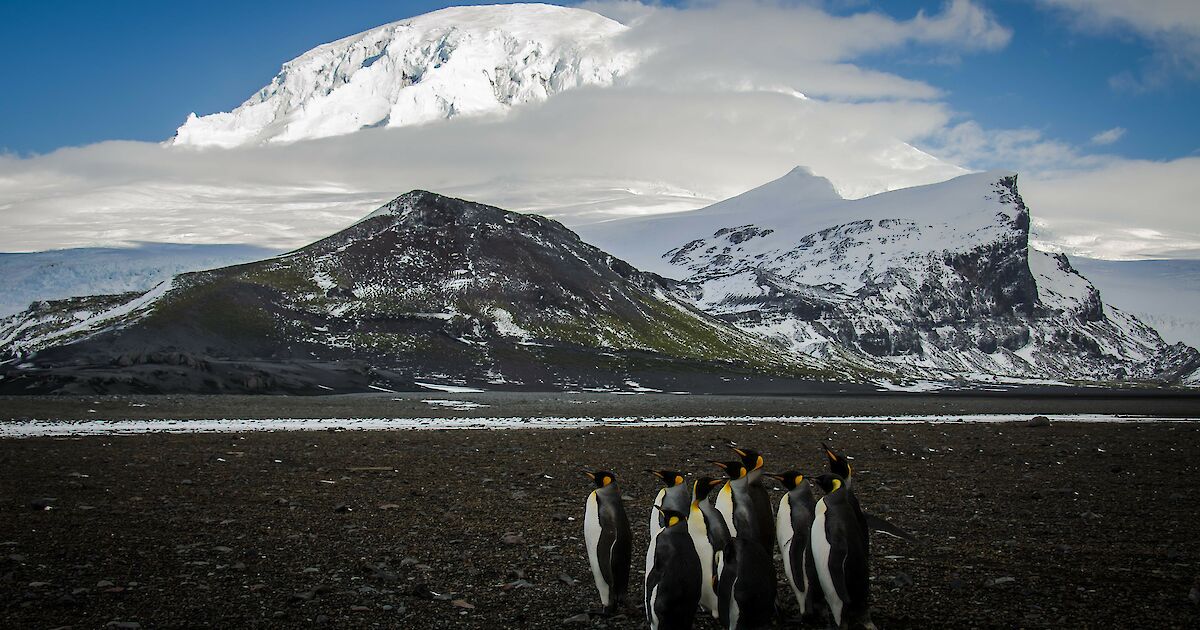
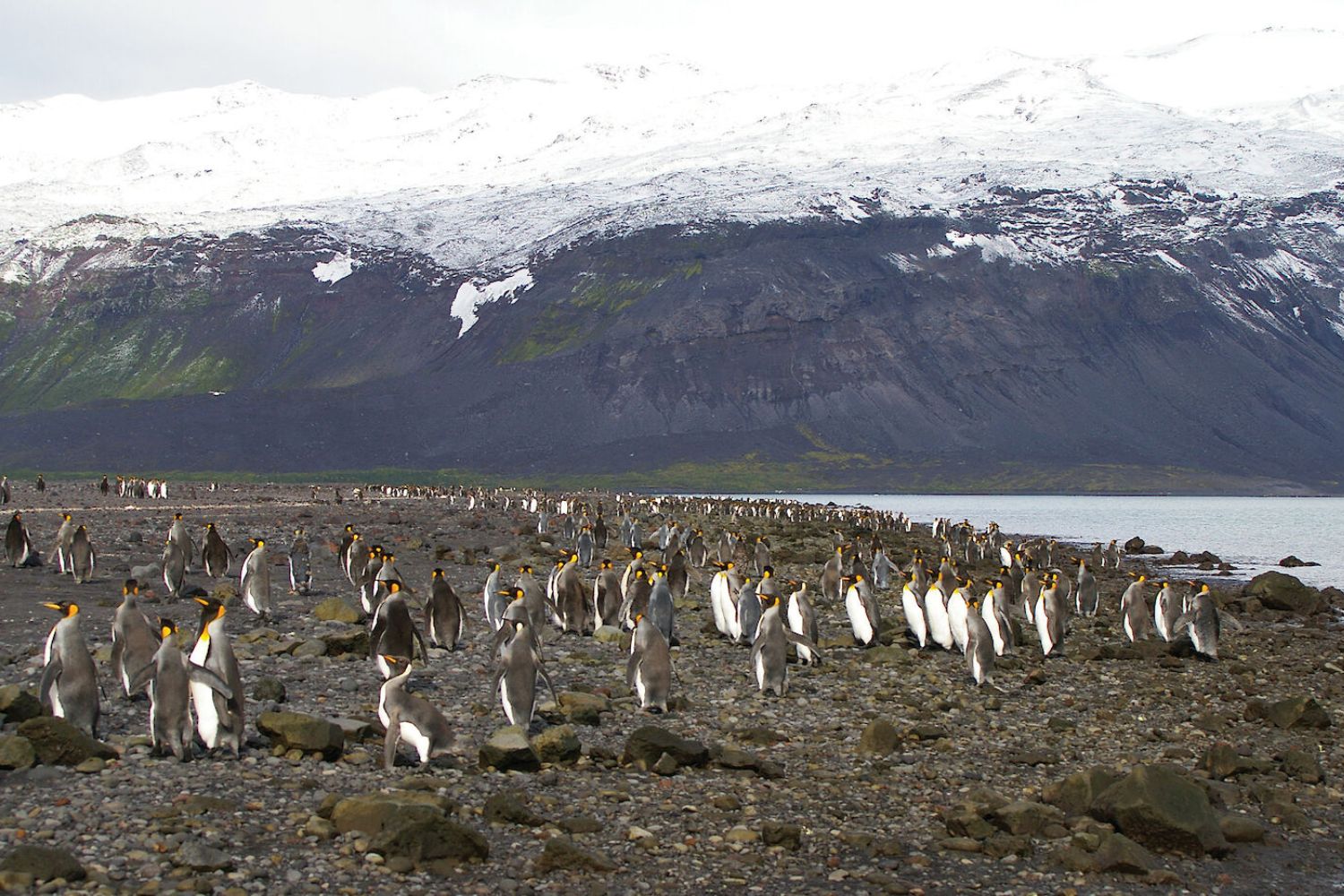
Nell'ottobre 2024, il Governo Australiano ha annunciato l'espansione della Riserva Marina delle Isole Heard e McDonald di oltre 310.000 km², che ha portato alla designazione del 52% delle acque australiane come protette [1].
In October 2024, the Australian Government announced an expansion of the Heard and McDonald Islands Marine Reserve by over 310,000 km², which resulted in 52% of Australia's waters being designated as protected [1].
Il Governatore Generale ha firmato il Proclama di Emendamento che effetto a questa espansione il 5 dicembre 2024, con la modifica entrata in vigore il 24 gennaio 2025 [2].
The Governor-General signed the Amendment Proclamation giving effect to this expansion on 5 December 2024, with the change coming into effect on 24 January 2025 [2].
Per quanto riguarda se l'Australia sia stata il primo paese a superare il 50%, questa rivendicazione è parzialmente inaccurata.
Regarding whether Australia was the first country to exceed 50%, this claim is partially inaccurate.
All'epoca di questa dichiarazione, molteplici paesi avevano già superato il 50% di designazioni di protezione oceanica.
As of the time of this claim, multiple countries had already exceeded 50% ocean protection designations.
Il Principato di Monaco ha designato il 100% delle sue acque come protette, Palau il 99%, il Regno Unito il 68% e il Kazakistan il 52% [3].
Monaco has designated 100% of its waters as protected, Palau 99%, the UK 68%, and Kazakhstan 52% [3].
Pertanto, l'Australia non è stata il primo paese a superare il 50% di protezione oceanica—era approssimativamente il quarto tra le nazioni con tali designazioni.
Therefore, Australia was not the first country to exceed 50% ocean protection—it was approximately the fourth among nations with such designations.
Il Governo Albanese si è impegnato a raggiungere il 30% delle acque australiane in aree "altamente protette" (santuari) entro il 2030, come parte di un più ampio impegno del trattato sulla natura delle Nazioni Unite [4].
The Albanese Government has made a commitment to achieve 30% of Australia's waters in "highly protected" (sanctuary) areas by 2030, as part of a broader UN nature treaty commitment [4].
Attualmente, il 52% del territorio oceanico è sotto qualche forma di designazione di protezione, ma questo è distinto dall'obiettivo del 30% altamente protetto.
Currently, 52% of ocean territory is under some form of protection designation, but this is distinct from the 30% highly protected target.

Contesto Mancante

La rivendicazione omette distinzioni critiche tra la designazione di protezione e la protezione effettiva e reale.
The claim omits critical distinctions between designated protection and actual, effective protection.
Mentre il 52% delle acque australiane è designato come aree marine protette (AMP), la qualità e l'efficacia di questa protezione varia drasticamente tra queste aree [5].
While 52% of Australian waters are designated as marine protected areas (MPAs), the quality and effectiveness of this protection varies dramatically across these areas [5].
Approssimativamente il 75% delle aree marine protette australiane riceve solo protezione "parziale", il che significa che consente la pesca commerciale, l'acquacoltura e l'esplorazione mineraria [6].
Approximately 75% of Australia's marine protected areas are given only "partial" protection, meaning they allow commercial fishing, aquaculture, and mining exploration [6].
Questa è una distinzione cruciale.
This is a crucial distinction.
Molte aree sono ciò che i conservazionisti chiamano "parchi su carta"—linee su mappe con minima protezione reale [7].
Many areas are what conservationists call "paper parks"—lines on maps with minimal real protection [7].
In queste zone multi-uso, la pesca commerciale continua e le industrie estrattive possono operare all'interno delle aree protette designate [5].
In these multi-use zones, commercial fishing continues, and extractive industries can operate within designated protected areas [5].
Le aree altamente protette—zone santuario dove non è consentita pesca, estrazione mineraria, scarico o estrazione di petrolio e gas—tendono a essere strategicamente collocate in regioni remote con minima attività umana, evitando così aree di valore economico.
The highly protected areas—sanctuary zones where no fishing, mining, dumping, or oil and gas extraction is allowed—tend to be strategically located in remote regions with minimal human activity, thereby avoiding economically valuable areas.
Gli scienziati hanno scoperto che le AMP altamente protette sono state collocate in località senza estrazione petrolifera e con basse rese di pesca precedenti, il che significa che questo fornisce solo un beneficio di conservazione del 2% attraverso l'allocazione del 98% di uso in tutte le acque marine della Commonwealth [8].
Scientists have found that highly protected MPAs were placed in locations with no petroleum extraction and low previous fishing yields, meaning this provides only a 2% conservation benefit across the 98% use allocation across all Commonwealth marine waters [8].
Inoltre, l'annuncio ha attirato specificamente critiche significative dalla comunità scientifica.
Furthermore, the announcement specifically drew significant criticism from the scientific community.
Un articolo di Science magazine pubblicato nell'ottobre 2024 conclude che l'annuncio australiano "ignora le prove che la rete di Aree Marine Protette (AMP) dell'Australia ha costantemente fallito nel proteggere importanti aree di biodiversità" [9].
A Science magazine article published in October 2024 concludes that Australia's announcement "disregards evidence that Australia's Marine Protected Area (MPA) network has consistently failed to protect important areas of biodiversity" [9].
L'analisi ha identificato protezione inadeguata per habitat critici del fondale marino, aree di foraggiamento per albatros e pinguini macaroni, e aree che supportano abbondanza e varietà di pesci [9].
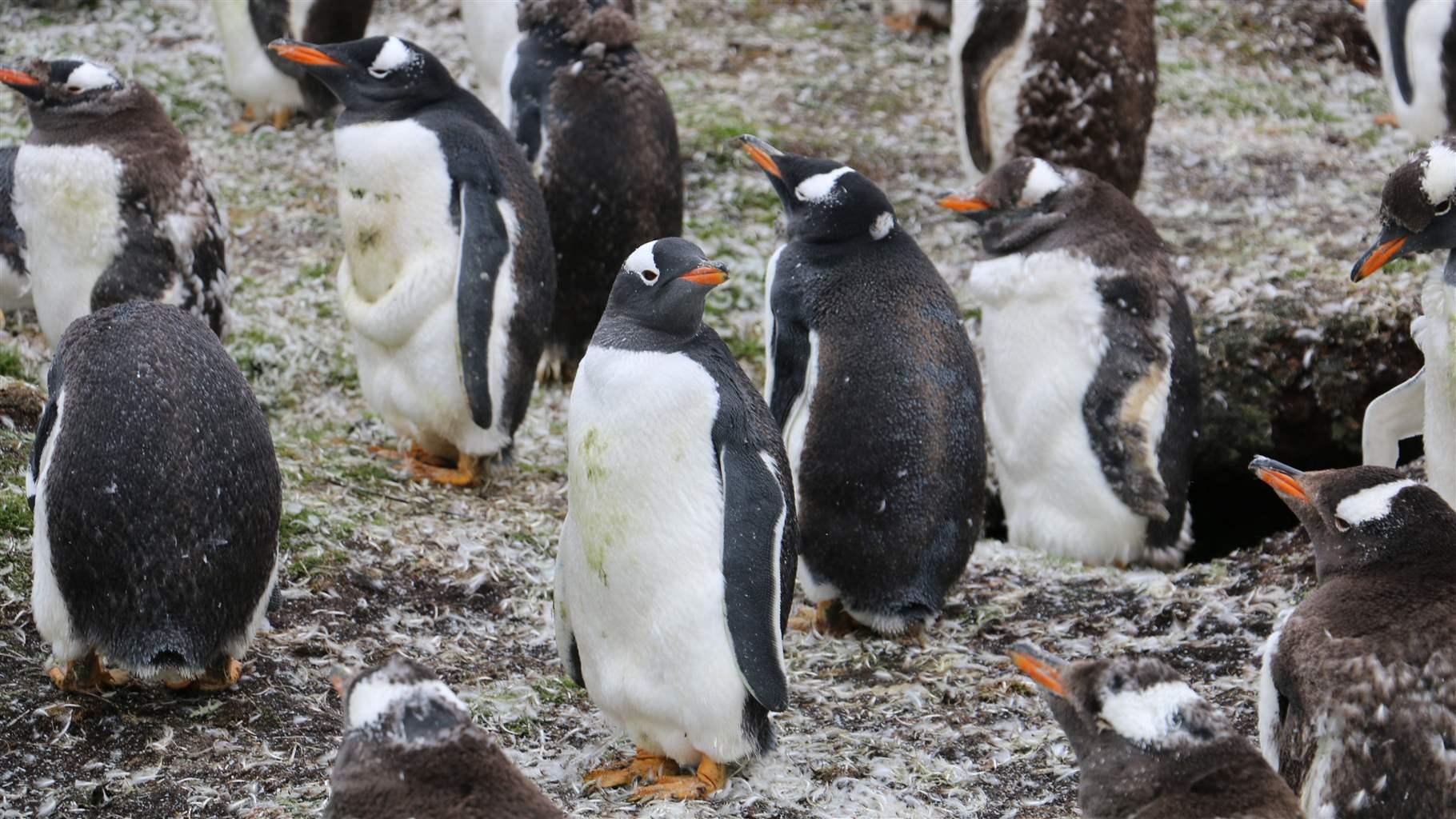
The analysis identified inadequate protection for critical seafloor habitats, foraging areas for albatrosses and macaroni penguins, and areas supporting fish abundance and variety [9].
La ricerca ha dimostrato che le aree parzialmente protette sperimentano paradossalmente livelli più alti di pesca ricreativa e artigianale rispetto alle aree non protette, mettendo in discussione la loro efficacia conservazionistica [10].
Research has shown that partially protected areas paradoxically experience higher levels of recreational and artisanal fishing than unprotected areas, calling into question their conservation effectiveness [10].
Inoltre, i visitatori delle aree parzialmente protette riferiscono di sperimentare significativamente meno vita marina rispetto alle zone santuario completamente protette [10].
Additionally, visitors to partially protected areas report experiencing significantly less marine life compared to fully protected sanctuary zones [10].
La rivendicazione offusca anche il fatto che questa cifra del 52% rappresenta l'espansione di riserve marine remote della regione antartica (Isole Heard e McDonald) piuttosto che la protezione di aree costiere ricche di biodiversità dove si trova la maggior parte della vita marina australiana e l'attività di pesca [2].
The claim also obscures that this 52% figure represents expansion of remote, Antarctic-region marine reserves (Heard and McDonald Islands) rather than protection of biodiversity-rich coastal areas where most Australian marine life and fishing activity occurs [2].

💭 PROSPETTIVA CRITICA

Esaminata nel contesto, la rivendicazione del 52% di protezione oceanica rappresenta una significativa designazione su carta ma nasconde fallimenti conservazionistici sottostanti.
When examined in context, the 52% ocean protection claim represents significant designation on paper but masks underlying conservation failures.
La distinzione tra "protetto" ed "effettivamente protetto" è fondamentale per valutare questo successo.
The distinction between "protected" and "effectively protected" is fundamental to evaluating this achievement.
L'impegno del Governo Australiano stesso—30% di aree altamente protette entro il 2030—rivela l'inadeguatezza della cifra attuale del 52%.
The Australian Government's own commitment—30% highly protected areas by 2030—reveals the inadequacy of the current 52% figure.
Questo significa che nonostante il 52% del territorio oceanico sia designato come protetto, solo il 30% riceverà eventualmente protezione "standard-oro" con effettivi divieti di pesca e restrizioni minerarie [4].
This means that despite 52% of ocean territory being designated as protected, only 30% will eventually receive "gold-standard" protection with actual fishing bans and mining restrictions [4].
Questo suggerisce che la cifra attuale del 52% include molte aree con minimo valore conservazionistico reale.
This suggests the current 52% figure includes many areas with minimal real conservation value.
Rispetto agli standard globali di biodiversità, la rete di protezione marina dell'Australia non è all'altezza.
Compared to global biodiversity standards, Australia's marine protection network falls short.
Mentre l'Australia è la più grande per area, gli studi di efficacia mostrano che solo il 2,8% dell'oceano mondiale è "effettivamente" protetto secondo standard internazionali [11].
While Australia is the largest by area, effectiveness studies show that only 2.8% of the world's ocean is "effectively" protected according to international standards [11].
La rete parzialmente protetta dell'Australia potrebbe non soddisfare questi benchmark di efficacia internazionali.
Australia's partially protected network may not meet these international effectiveness benchmarks.
La decisione del Governo di evitare di collocare zone altamente protette in aree di pesca economicamente preziose (descritta come 2% conservazione, 98% uso) solleva questioni di equità ma mina i risultati conservazionistici.
The Government's decision to avoid placing highly protected zones in economically valuable fishing areas (described as 2% conservation, 98% use) raises fairness questions but undermines conservation outcomes.
Gli habitat critici che supportano pinguini, albatros e altri megafauna marina rimangono insufficientemente protetti perché queste aree si sovrappongono agli interessi della pesca [9].
Critical habitats supporting penguins, albatrosses, and other marine megafauna remain insufficiently protected because these areas overlap with fishing interests [9].
Infine, la presentazione della rivendicazione come "primo paese a superare il 50%" è dimostrabile falsa e sembra progettata per massimizzare il credito politico.
Finally, the claim's framing as the "first country to exceed 50%" is demonstrably false and appears designed to maximize political credit.
Il Principato di Monaco, Palau, il Regno Unito e il Kazakistan avevano tutti superato o raggiunto il 50% di protezione oceanica prima dell'annuncio australiano [3].
Monaco, Palau, the UK, and Kazakhstan had all exceeded or reached 50% ocean protection before Australia's announcement [3].
Questa rappresentazione errata suggerisce che il governo abbia modellato la narrativa per enfatizzare la novità piuttosto che la genuina leadership, quando il successo reale è raggiungere obiettivi quantitativi attraverso grandi espansioni di riserve antartiche piuttosto che proteggere ecosistemi costieri biodiversi.
This misrepresentation suggests the government shaped the narrative to emphasize novelty rather than genuine leadership, when the actual achievement is reaching quantitative targets through large Antarctic reserve expansions rather than protecting biodiverse coastal ecosystems.

FUORVIANTE

5.0

/ 10

La rivendicazione contiene una miscela di elementi veri e falsi che insieme creano un'impressione fuorviante.
The claim contains a mix of true and false elements that together create a misleading impression.
La cifra del 52% è accurata per le aree designate come protette, ma la rivendicazione di "primo paese a superare il 50%" è fattualmente errata, e la rivendicazione offusca che la maggior parte della protezione è parziale piuttosto che effettiva, con molte aree che rimangono aperte alla pesca commerciale ed estrazione.
The 52% figure is accurate for designated protected areas, but the "first country to exceed 50%" claim is factually incorrect, and the claim obscures that most protection is partial rather than effective, with many areas remaining open to commercial fishing and extraction.

📚 FONTI & CITAZIONI (18)

  1. 1
    minister.dcceew.gov.au

    Australia now protects more ocean than any other country on earth

    Minister Dcceew Gov

  2. 2
    Heard Island and McDonald Islands Marine Reserve Expansion - Governor-General Amendment

    Heard Island and McDonald Islands Marine Reserve Expansion - Governor-General Amendment

    The public is being urged to have input on plans to expand the Heard and McDonald Islands Marine Reserve. The islands are located in the Southern Ocean, about 4,000 kilometres south-west of Western Australia, and are the only volcanically active islands in the sub-Antarctic.

    Antarctica Gov
  3. 3
    Ocean Protection Global Comparison - Countries with 50%+ Designated Protected Waters

    Ocean Protection Global Comparison - Countries with 50%+ Designated Protected Waters

    Learn how marine protected areas could help marine life recover – and even combat climate change

    Rmg Co
  4. 4
    National Geographic on Global Ocean Protection Commitments

    National Geographic on Global Ocean Protection Commitments

    Giving the ocean space to recover promises to help declining fish populations recover, restore habitat, and help save the climate, according to a new plan to save the seas.

    Environment
  5. 5
    Conservation Groups Welcome Albanese Government's 30% Highly Protected Commitment

    Conservation Groups Welcome Albanese Government's 30% Highly Protected Commitment

    An alliance* of 27 leading environment groups has welcomed the Albanese Government’s announcement on World Oceans Day to achieve 30 per cent of Australia’s oceans in highly protected areas by 2030. “We welcome the Albanese Government’s commitment to fully protect 30% of Australia’s oceans in highly protected sanctuaries,” said Christabel Mitchell, Oceans Director, Pew Charitable

    Empower Stories | Build Authority - Drive Impact | Amplify | Influence | Lead | Inspire
  6. 6
    75% of Australia's Marine Protected Areas Given Only 'Partial' Protection

    75% of Australia's Marine Protected Areas Given Only 'Partial' Protection

    Partially protected areas don’t have more wildlife than unprotected areas. They consume conservation resources and occupy space that could otherwise be allocated to more effective protection.

    The Conversation
  7. 7
    The Ambiguous Role of Partially Protected Marine Protected Areas in Australia: Results from a Systematic Literature Review

    The Ambiguous Role of Partially Protected Marine Protected Areas in Australia: Results from a Systematic Literature Review

    Marine protected areas (MPAs) are an important tool in helping to protect biodiversity in the oceans. Recent ratification of the Kunming-Montreal Global Biodiversity Framework (GBF) has ensured that globally we are committed to effectively protecting 30% of the world’s oceans by 2030, in MPAs. In Australia there is considerable interest in the potential benefits that partially protected areas (PPAs) may provide. However, a consistent definition of a PPA is currently lacking, and urgently needed to conduct quantitative analyses of PPAs. We conducted a systematic literature review to understand the current knowledge surrounding PPAs and their potential benefits. We define a PPA, characterise PPA implementation in Australia, and present results for the outcomes of PPAs in terms of ecological, economic, and social indicators. Our review suggests that although 45% of Australia’s marine environment is within MPAs, 61% of MPAs provide only partial protection. The Northern Territory (100%), New South Wales (81%), and Queensland (79.8%) have the highest percentage of MPAs that are partially protected, compared to Tasmania which has the smallest percentage of partially protected MPAs (13.12%). Tasmania also has the smallest percentage cover of MPAs (6.49% state waters). Most PPA management plans did not contain quantifiable Key Performance Indicators (KPIs) to be able to effectively monitor the progress of these PPAs against the stated outcomes. We find the benefits of PPAs to be ambiguous: PPAs generally provide benefits when compared to ‘open’ ocean, however this is not a consistent result. There are no PPAs that provide greater overall benefits when compared to fully protected MPAs. Only one state (South Australia) and the Commonwealth (Australian Marine Parks) are collecting publicly available baseline data to facilitate quantitative monitoring of PPAs. Contrary to fisheries management, there were no plans of action if the declared MPAs and PPAs failed to meet their declared objectives and goals. Some PPAs within Australia appear to be incompatible with conservation priorities according to the recent “MPA Guide” classification framework. This study highlights the need for clearer management rationale and plans for PPAs in Australia, as these comprise the majority of MPAs in Australia’s Exclusive Economic Zone.

    Journals Plos
  8. 8
    dpi.nsw.gov.au

    Australia's Marine Protected Areas - Fishing and Mining Allowances

    Dpi Nsw Gov

  9. 9
    Australian Marine Parks Overview

    Australian Marine Parks Overview

    Australian Marine Parks help conserve marine habitats and the marine species that live within and rely on these habitats. These marine parks also provide places for people to watch wildlife, dive, and go boating, snorkelling and fishing. Importantly, they create jobs in industries like fishing and tourism, and provide us with food and energy.

    Australianmarineparks Gov
  10. 10
    A New Chapter in Ocean Protection - Conservation Groups on Paper Parks

    A New Chapter in Ocean Protection - Conservation Groups on Paper Parks

    Australia announces expansion of subantarctic marine park but scientists say some areas are not receiving enough protection

    greenMe
  11. 11
    Australia's Marine (Un)Protected Areas: Government Zoning Bias

    Australia's Marine (Un)Protected Areas: Government Zoning Bias

    Australia needs to drop the deception that square kilometres say anything meaningful about conservation.

    The Conversation
  12. 12
    aph.gov.au

    AUSTRALIA'S MARINE PROTECTED AREAS: CHALLENGING TIMES AHEAD

    Aph Gov

  13. 13
    science.org

    Australia's Inadequate Marine Protection

    Science

  14. 14
    Australian Government Misses Rare Opportunity to Safeguard Globally Important Penguin, Seal and Albatross Feeding Grounds

    Australian Government Misses Rare Opportunity to Safeguard Globally Important Penguin, Seal and Albatross Feeding Grounds

    An alliance of 27 environmental groups today welcomed the expansion of Australia’s Heard Island and McDonald Islands Marine Reserve near Antarctica but said the Albanese Government had missed a rare opportunity to protect key feeding grounds for penguins, seals and albatross.

    Pew
  15. 15
    sciencedirect.com

    Effectiveness of Partially Protected Marine Areas - Fishing and Visitor Experience

    Sciencedirect

  16. 16
    Conservation Evidence on Fishing Cessation in MPAs

    Conservation Evidence on Fishing Cessation in MPAs

    Conservation Evidence
  17. 17
    Just 2.8% of the World's Ocean is 'Effectively' Protected

    Just 2.8% of the World's Ocean is 'Effectively' Protected

    Governments are falling far short of a pledge to conserve 30% of the ocean by 2030, according to a new report published ahead of COP16.

    Earth.Org
  18. 18
    bloomberg.org

    Bloomberg Philanthropies Report on Ocean Protection Effectiveness

    Bloomberg

    Original link no longer available

Metodologia della Scala di Valutazione

1-3: FALSO

Fattualmente errato o fabbricazione malevola.

4-6: PARZIALE

Un po' di verità ma il contesto è mancante o distorto.

7-9: PREVALENTEMENTE VERO

Tecnicismi minori o problemi di formulazione.

10: ACCURATO

Perfettamente verificato e contestualmente equo.

Metodologia: Le valutazioni sono determinate attraverso il confronto incrociato di documenti governativi ufficiali, organizzazioni indipendenti di verifica dei fatti e documenti di fonti primarie.