Sebagian Benar

Penilaian: 7.0/10

Labor
8.7

Klaim

“Perlindungan ekonomi gig yang memimpin dunia menetapkan standar minimum”
Sumber Asli: Albosteezy

Sumber Asli

VERIFIKASI FAKTA

Pemerintahan Albanese Labor memang memperkenalkan undang-undang yang memimpin dunia terkait perlindungan ekonomi gig melalui Fair Work Legislation Amendment (Closing Loopholes No. 2) Act 2024 [1].
The Albanese Labor Government did introduce world-leading legislation addressing gig economy protections through the Fair Work Legislation Amendment (Closing Loopholes No. 2) Act 2024 [1].
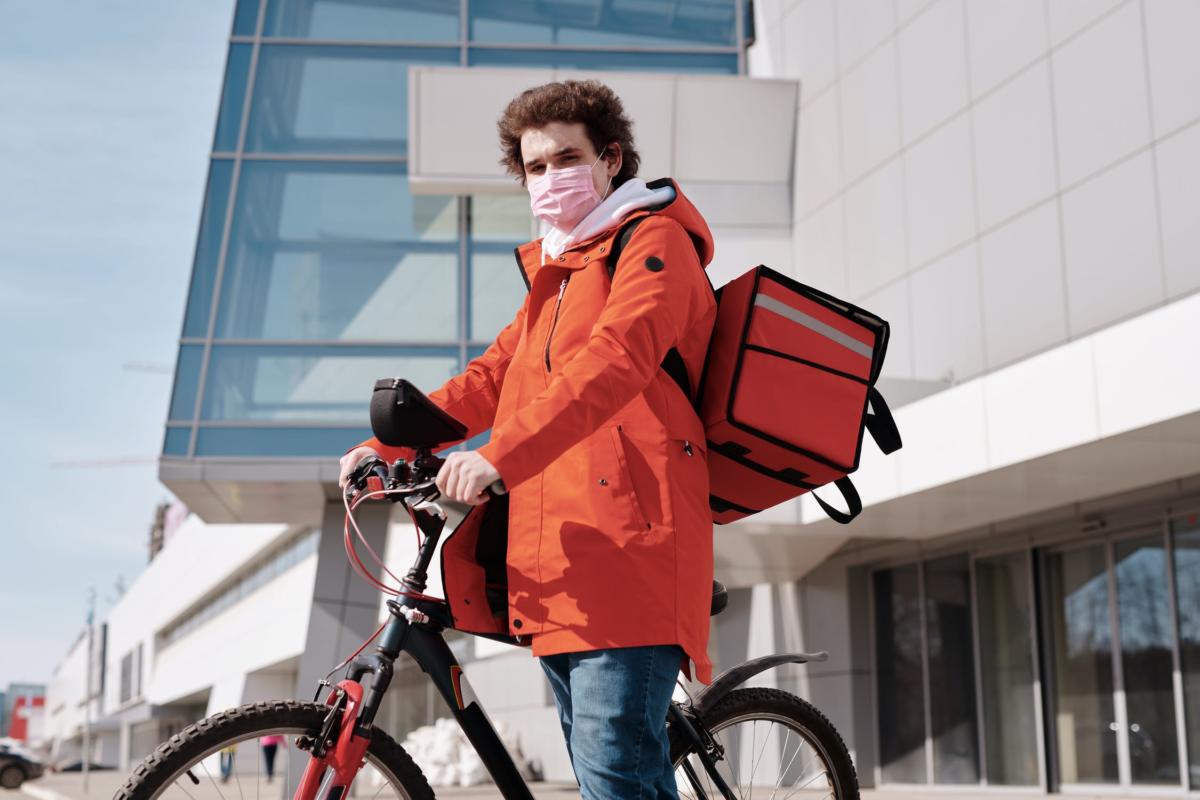
Mulai 26 Agustus 2024, pekerja ekonomi gig yang bekerja melalui platform digital (seperti pengemudi pengantar makanan dan layanan tumpangan) sekarang diklasifikasikan sebagai "pekerja yang mirip karyawan" dan masuk dalam yurisdiksi Fair Work Commission [2].
From 26 August 2024, gig economy workers who work through digital platforms (such as food delivery and rideshare drivers) are now classified as "employee-like workers" and fall under the jurisdiction of the Fair Work Commission [2].
Fair Work Commission diberi wewenang baru untuk menetapkan standar minimum bagi pekerja yang mirip karyawan ini, termasuk ketentuan terkait persyaratan pembayaran, potongan, waktu kerja, pencatatan, asuransi, konsultasi, perwakilan, hak delegasi serikat pekerja, dan pemulihan biaya [3].
The Fair Work Commission was granted new powers to set minimum standards for these employee-like workers, including terms relating to payment terms, deductions, working time, record-keeping, insurance, consultation, representation, union delegates' rights and cost recovery [3].
Undang-undang ini juga memperkenalkan Digital Labour Platform Deactivation Code mulai 26 Februari 2025, yang mengharuskan platform untuk memberikan peringatan terlebih dahulu, opsi kontak manusia, dan proses yang adil sebelum menonaktifkan pekerja [4].
The legislation also introduced the Digital Labour Platform Deactivation Code from 26 February 2025, which requires platforms to provide advance warnings, human contact options, and a fair process before deactivating workers [4].
Secara internasional, International Transport Workers' Federation memuji undang-undang ini sebagai "world leading" [5].
Internationally, the International Transport Workers' Federation commended this legislation as "world leading" [5].
Undang-undang ini diakui telah mengatasi tantangan yang ada di negara lain—misalnya, pekerja gig di Inggris tetap diklasifikasikan sebagai pekerja independen, membatasi akses mereka terhadap manfaat karyawan konvensional seperti upah minimum, cuti sakit, dan cuti berbayar [6].
The legislation has been recognised as addressing challenges that exist in other nations—for example, UK gig workers remain classified as independent workers, limiting their access to conventional employee benefits like minimum wage, sick leave and holiday pay [6].

Konteks yang Hilang

Meskipun undang-undang ini benar-benar inovatif dalam membuat kategori baru "pekerja yang mirip karyawan," klaim tersebut menghilangkan beberapa batasan signifikan yang mengurangi efektivitasnya: **Batasan Klasifikasi**: Perlindungan hanya berlaku untuk pekerja yang memenuhi definisi spesifik "pekerja yang mirip karyawan" yang mengandalkan platform digital untuk sebagian besar penghasilan mereka [7].
While the legislation is genuinely innovative in establishing a new category of "employee-like workers," the claim omits several significant limitations that reduce its effectiveness: **Classification Boundaries**: The protections only apply to workers who meet the specific definition of "employee-like workers" relying on digital platforms for a substantial portion of their income [7].
Ini menciptakan pengecualian yang sempit; pekerja yang diklasifikasikan sebagai karyawan sebenarnya atau kontraktor independen sebenarnya berada di luar perlindungan ini, yang berarti sebagian besar pekerja gig mungkin tidak tercakup [8]. **Lingkup Standar yang Terbatas**: Fair Work Commission secara eksplisit tidak dapat menetapkan standar untuk tarif lembur dan pengaturan jadwal—dua faktor kritis yang memengaruhi kesejahteraan pekerja [9].
This creates a narrow carve-out; workers who are classified as genuine employees or genuine independent contractors fall outside these protections, meaning a substantial portion of gig workers may not be covered [8]. **Limited Scope of Standards**: The Fair Work Commission explicitly cannot set standards for overtime rates and rostering arrangements—two critical factors affecting worker welfare [9].
Standar upah minimum juga tidak mencakup "waktu tunggu antara pengantaran," yang dapat merupakan periode tidak dibayar yang diperpanjang tergantung pada kapan dan di mana pekerja beroperasi [10]. **Tidak Ada Hak Penawaran Bersama**: Undang-undang ini tidak memberikan pekerja gig hak untuk menawar bersama dengan platform, yang berarti mereka tidak dapat bernegosiasi sebagai kelompok—sebuah batasan signifikan dibandingkan dengan perlindungan ketenagakerjaan tradisional [11].
The minimum pay standards also do not cover "waiting times between deliveries," which can constitute extended unpaid periods depending on when and where workers operate [10]. **Absence of Collective Bargaining Rights**: The legislation does not grant gig workers the right to collectively bargain with platforms, meaning they cannot negotiate as a group—a significant limitation compared to traditional employment protections [11].
Ini membatasi kemampuan pekerja untuk secara kolektif mengatasi masalah sistemik. **Jadwal Implementasi**: Undang-undang ini mulai berlaku secara bertahap, dengan standar minimum dimulai pada Agustus 2024 dan Deactivation Code pada Februari 2025.
This constrains workers' ability to collectively address systemic issues. **Implementation Timeline**: The legislation came into effect gradually, with minimum standards not beginning until August 2024 and the Deactivation Code from February 2025.
Fair Work Commission kemudian harus menjalankan prosesnya sendiri untuk menentukan standar minimum apa yang akan ditetapkan, yang berarti perlindungan masih dalam tahap definisi lebih dari setahun setelah undang-undang awal [12]. **Tekanan Bisnis dan Pengecualian**: Meskipun dimaksudkan untuk melindungi pekerja, para pengamat mencatat bahwa membebankan biaya pada ekonomi gig dapat meningkatkan tekanan pada bisnis kecil Australia yang sudah menghadapi tekanan biaya hidup, dengan pengecualian untuk pemberi kerja dengan kurang dari 15 karyawan yang berpot membatasi cakupan [13].
The Fair Work Commission then had to undertake its own process to determine what minimum standards to set, meaning protections are still being defined more than a year after the initial legislation [12]. **Business Pressure and Exemptions**: While intended to protect workers, critics note that imposing costs on the gig economy could increase pressure on small Australian businesses already facing cost-of-living pressures, with exemptions for employers with fewer than 15 employees potentially limiting coverage [13].

💭 PERSPEKTIF KRITIS

Undang-undang ini mewakili inovasi yang sebenarnya dalam hukum ketenagakerjaan—Australia memang mengambil pendekatan yang berbeda dari kebanyakan negara dengan menciptakan kategori pekerja menengah daripada memaksakan klasifikasi biner karyawan/kontraktor [14].
The legislation represents a genuine innovation in employment law—Australia did take a different approach than most countries by creating a middle category of worker rather than forcing a binary employee/contractor classification [14].
Dukungan International Transport Workers' Federation mengindikasikan pengakuan internasional terhadap pendekatan ini [15].
The International Transport Workers' Federation's endorsement indicates international recognition of the approach [15].
Namun, penggambaran "world-leading" mengaburkan batasan-batasan tersebut.
However, the "world-leading" framing obscures the limitations.
Klaim tersebut berfokus pada *desain* yang memimpin dunia tetapi menghilangkan bahwa perlindungan *aktual* lebih sempit daripada hak-hak ketenagakerjaan konvensional.
The claim focuses on the *design* being world-leading but omits that the actual *protections* are narrower than conventional employment rights.
Pekerja gig masih kekurangan: - Hak penawaran bersama (yang dimiliki karyawan tradisional) [16] - Perlindungan lembur - Cakupan untuk waktu tunggu/idle - Keamanan ketenagakerjaan yang berkelanjutan (Fair Work Commission hanya dapat memerintahkan standar minimum, bukan menjamin pekerjaan) Dibandingkan dengan rekan-rekan OECD, pendekatan Australia inovatif tetapi masih di bawah perlindungan ketenagakerjaan penuh [17].
Gig workers still lack: - Collective bargaining rights (which traditional employees have) [16] - Overtime protections - Coverage for waiting/idle time - The security of ongoing employment (the Fair Work Commission can only order minimum standards, not guarantee work) Compared to OECD peers, Australia's approach is innovative but still falls short of full employment protection [17].
Negara-negara seperti Perancis telah mengambil pendekatan yang berbeda—misalnya, Loi d'Avenir (Future Law) Perancis memberikan beberapa perlindungan sosial kepada pekerja platform sambil tetap mempertahankan status kontraktor [18].
Countries like France have taken different approaches—for example, France's Loi d'Avenir (Future Law) granted some social protections to platform workers while still maintaining contractor status [18].
Masalah paling signifikan adalah undang-undang ini masih membiarkan pekerja gig sebagai "non-karyawan" dengan perlindungan kontraktual daripada memberikan mereka status karyawan sebenarnya.
The most significant issue is that the legislation still leaves gig workers as "non-employees" with contractual protections rather than giving them actual employee status.
Ini berarti mereka: - Masih menanggung risiko bisnis sendiri - Tidak menerima cuti berbayar, kontribusi superannuation pada tingkat yang sama, atau manfaat karyawan tradisional lainnya - Harus bergantung pada Fair Work Commission untuk menentukan standar minimum apa yang berlaku (daripada secara otomatis memiliki ini sebagai karyawan) Klaim tersebut karena itu **teknis akurat** tetapi **secara strategik dirancang** untuk menekankan pencapaian legislatif daripada perlindungan aktual bagi pekerja.
This means they: - Still bear business risks themselves - Don't receive paid leave, superannuation contributions to the same level, or other traditional employee benefits - Must rely on the Fair Work Commission to determine what minimum standards apply (rather than having these automatically as employees) The claim is therefore **technically accurate** but **strategically framed** to emphasize the legislative achievement rather than the lived protections for workers.
Undang-undang ini memimpin dunia dalam *pendekatannya* terhadap masalah klasifikasi, tetapi perlindungan pekerja aktual tetap berada di tengah antara ketenagakerjaan tradisional dan kemerdekaan lengkap.
The legislation is world-leading in its *approach* to the classification problem, but the actual worker protections remain intermediate between traditional employment and complete independence.

SEBAGIAN BENAR

7.0

/ 10

Undang-undang ini memang benar-benar inovatif dan telah menerima pengakuan internasional, menetapkan standar pertama di dunia untuk kategori pekerja baru.
The legislation is genuinely innovative and has received international recognition, setting world-first standards for a new worker category.
Namun, klaim tersebut melebih-lebihkan ruang lingkup perlindungan dengan mengindikasikan bahwa ini adalah perlindungan komprehensif yang setara dengan ketenagakerjaan tradisional, padahal sebenarnya mereka mewakili jalan tengah dengan batasan signifikan.
However, the claim overstates the protective scope by implying these are comprehensive protections equivalent to traditional employment, when in fact they represent a middle ground with significant limitations.

📚 SUMBER DAN KUTIPAN (18)

  1. 1
    ministers.dewr.gov.au

    Fair Work Legislation Amendment (Closing Loopholes No. 2) Act 2024

    Ministers Dewr Gov

  2. 2
    Gig workers get minimum standards from Monday. Here's what will change

    Gig workers get minimum standards from Monday. Here's what will change

    From Monday gig workers will be classified as ‘employee-like workers’ and given many of the protections afforded to employees, but not all.

    The Conversation
  3. 3
    New Australian Legislation to Protect Gig Workers

    New Australian Legislation to Protect Gig Workers

    The Australian government has introduced new legislation to protect gig workers. Find out about the changes and what you need to do as a business owner.

    Peninsula Australia
  4. 4
    ministers.dewr.gov.au

    Right to disconnect among many increased benefits for workers starting today

    Ministers Dewr Gov

  5. 5
    Australia passes world-first reform to raise standards for gig economy and transport workers

    Australia passes world-first reform to raise standards for gig economy and transport workers

    The Australian Senate has today passed world-leading legislation that enforces minimum standards for gig economy and road transport workers. The bill is on track to pass the House on Monday.

    Itfglobal
  6. 6
    Australia reshapes gig economy rules with new worker protections

    Australia reshapes gig economy rules with new worker protections

    New rights, new codes, and new scrutiny. From pay standards to deactivation protections, 2025 marks a turning point for gig economy regulation – and a new challenge for platforms and regulators alike.

    The Modern Regulator
  7. 7
    The Closing Loopholes Acts – what's changing

    The Closing Loopholes Acts – what's changing

    The Fair Work Commission is Australia's workplace tribunal. We create awards, approve enterprise agreements and help resolve issues at work.

    Fwc Gov
  8. 8
    Australia Fair Work Legislation Amendment Further Protects Australia

    Australia Fair Work Legislation Amendment Further Protects Australia

    Australia Labor, Employment, and Workplace Safety Alert The Federal Government recently introduced the latest in a series of workplace reforms into Federal Parliament. The Fair Work Legislation Amendment (Closing Loopholes) Bill 2023 (the Bill), proposes further amendments to the Fair Work Act 2009 (FW Act) and Work Health and Safety Act 2011 (WHS Act) to close “loopholes” to protect Australian workers and strengthen the work health and safety framework. 

    The National Law Review
  9. 9
    fairwork.gov.au

    Minimum standards for contractors

    Fairwork Gov

  10. 10
    Progress but questions still unanswered for gig economy workers

    Progress but questions still unanswered for gig economy workers

    Gig economy workers in Australia are on the brink of a landmark agreement on pay and conditions. But crucial questions remain unanswered.

    Thenewdaily Com
  11. 11
    New rights and protections for gig economy workers

    New rights and protections for gig economy workers

    Thanks to new laws which union members won this year, gig economy workers are entitled to the pay, rights and benefits that other workers enjoy.

    Australian Unions
  12. 12
    ministers.dewr.gov.au

    Australia leading the world with gig worker protections

    Ministers Dewr Gov

  13. 13
    Riding the Waves of Change: New Regulation for Gig-Economy Workers

    Riding the Waves of Change: New Regulation for Gig-Economy Workers

    By Fiona Waring With the rise of digital labour platforms in recent years, the regulation of the workers operating on these platforms (often referred to as “gig-economy” workers) has become a contentious issue in Australia. Gig-economy work often involves workers completing certain “on demand” tasks for consumers via digital labour platforms, such as ride share […]

    HLS Legal
  14. 14
    The Gig Economy And Australian Law: What's Next? (2025 Updated)

    The Gig Economy And Australian Law: What's Next? (2025 Updated)

    The gig economy has grown significantly in Australia. Are the current laws in Australia providing enough protection for gig workers?

    Sprintlaw
  15. 15
    dewr.gov.au

    Extend the Powers of the Fair Work Commission to Include 'Employee-Like' Forms of Work

    Dewr Gov

  16. 16
    Closing Loopholes Bill: Gig economy provisions still subject to change

    Closing Loopholes Bill: Gig economy provisions still subject to change

    Holdingredlich
  17. 17
    Australia Leading World With Gig Worker Protections

    Australia Leading World With Gig Worker Protections

    The Albanese Labor Government welcomes the deal reached between the Transport Workers Union (TWU), Uber and Doordash, which is now before the Fair

    Mirage News
  18. 18
    New Australian Legislation to Protect Gig Workers - Employsure

    New Australian Legislation to Protect Gig Workers - Employsure

    A landmark bill titled “Closing Loopholes” comes into effect on November 1, 2024, giving gig workers the right to better pay and other minimum employment standards. Find out about the changes and what you need to do as a business owner.

    Employsure

Metodologi Skala Penilaian

1-3: SALAH

Secara faktual salah atau fabrikasi jahat.

4-6: SEBAGIAN

Ada kebenaran tetapi konteks hilang atau menyimpang.

7-9: SEBAGIAN BESAR BENAR

Masalah teknis kecil atau masalah redaksi.

10: AKURAT

Terverifikasi sempurna dan adil secara kontekstual.

Metodologi: Penilaian ditentukan melalui referensi silang catatan pemerintah resmi, organisasi pemeriksa fakta independen, dan dokumen sumber primer.