
The Claim
“Lied to the United Nations about the quality of the Tasmanian forests they want removed from the world heritage list.”
Original Sources Provided
✅ FACTUAL VERIFICATION
The claim relates to the Abbott government's 2014 attempt to remove 74,000 hectares from the Tasmanian Wilderness World Heritage Area. The government's formal submission to UNESCO requested a "minor boundary modification" to remove areas it claimed were "disturbed and previously logged forest" that diminished the overall quality of the protected area [1].
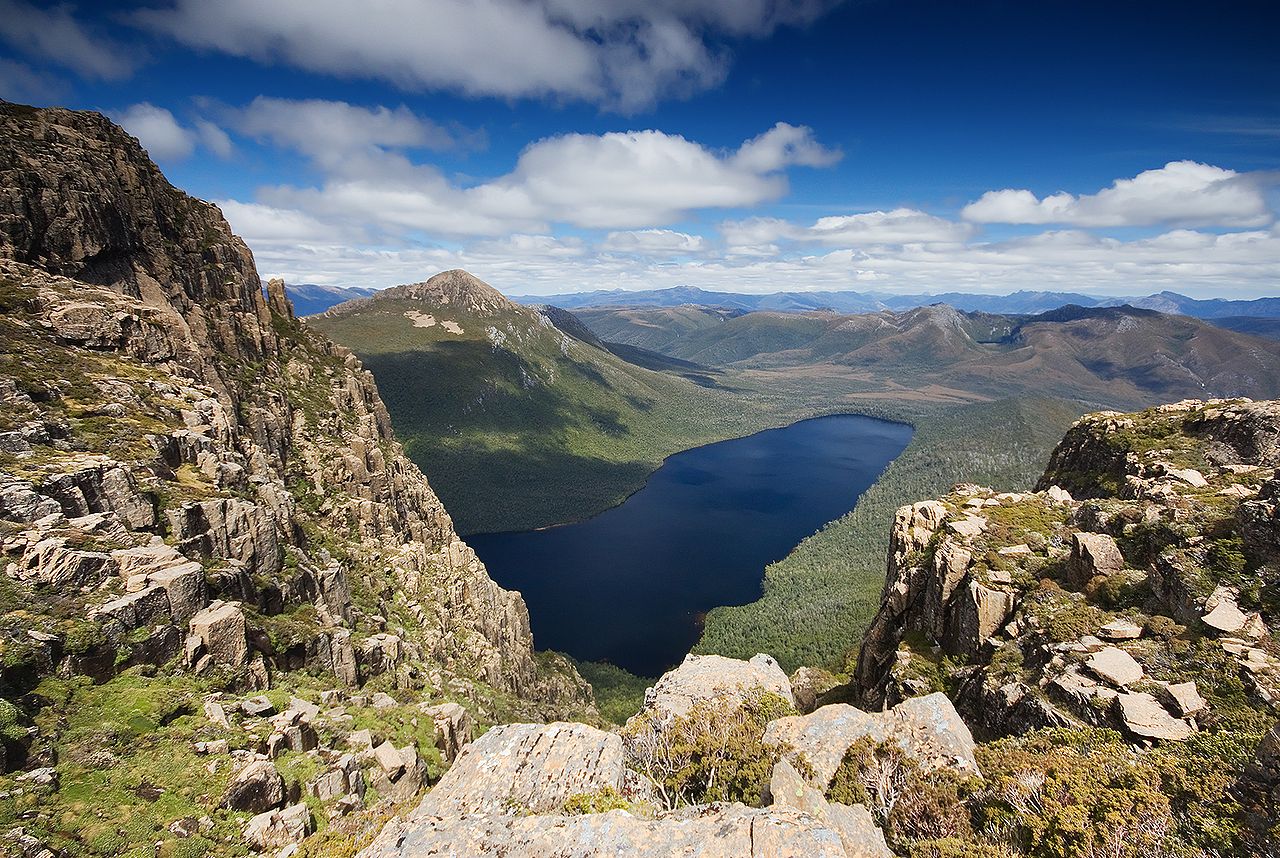
However, evidence contradicted this characterization. Former Greens leader Bob Brown released photos from the Weld Valley showing that approximately 90% of the 74,000 hectares targeted for delisting were "pristine, magnificent forests" rather than degraded areas [1]. The Australian Network of Environmental Defender's Offices (ANEDO) stated in its submission that "a significant portion of the forest area proposed for removal has not been disturbed or previously logged" [1].
The World Heritage Committee rejected Australia's delisting request at its 38th session in Doha, Qatar in June 2014. If successful, this would have marked the first time a developed nation had de-listed a World Heritage site for economic purposes [2]. The Abbott government stated after the rejection that it intended to respect the committee's decision [2].
Missing Context
The 2013 World Heritage extension: The areas the Coalition sought to delist had only been added to the World Heritage list in June 2013 under the previous Labor government as part of a negotiated "forest peace deal." The World Heritage Committee had extended the protected boundary by more than 170,000 hectares after accepting a proposal developed jointly by the forestry industry and environmentalists [3].
Forestry industry opposition: Significantly, the forestry industry itself did not support the Coalition's attempt to revoke the World Heritage listing, citing the difficulty of selling timber from a previously protected area [4].
Political timing: The delisting request came shortly after the Abbott government took office in September 2013. Prime Minister Tony Abbott had made controversial statements about forest protection, declaring at a ForestWorks dinner in March 2014: "We have quite enough national parks, we have quite enough locked-up forests already. In fact, in an important respect, we have too much locked-up forest" [4].
Senate inquiry opposition: A Senate inquiry into the delisting received more than 6,000 submissions, most of which opposed the plan [1].
Source Credibility Assessment
The Guardian (original source): The Guardian is a UK-based newspaper with a center-left editorial stance. The article by Oliver Milman reports on allegations made by Bob Brown and ANEDO, providing a factual account of the claims and counter-claims. The Guardian's environmental coverage typically emphasizes conservation perspectives. The factual elements of the article (the government's submission, the photos released by Brown, the Senate inquiry figures) are verifiable and consistent with other sources [1].
Wikipedia entry on Tasmanian Wilderness: Provides additional context about the 2014 delisting attempt and its rejection by the World Heritage Committee, noting this would have been unprecedented for a developed nation [2].
Labor Comparison
Did Labor do something similar?
No direct equivalent exists. The Labor government's actions on Tasmanian forests were the opposite - they expanded World Heritage protection in 2013 as part of a negotiated settlement.
Key contextual differences:
Direction of policy: The 2013 Labor government worked with both environmentalists and the forestry industry to expand protection, whereas the 2014 Coalition government sought to reduce protection over the objections of both environmental groups and, significantly, the forestry industry itself [3][4].
International reputation: The Coalition's attempt to delist would have been unprecedented - the first time a developed nation sought to remove a World Heritage listing for economic purposes [2]. The Labor government had previously advised the UN in 2010 that it had no intention to extend the property further, but then changed position after the forest peace deal was brokered [2].
Rhetorical difference: While both parties have managed the Tasmanian forests, the Coalition's public rhetoric was notably different. Prime Minister Abbott's comment that Australia has "too much locked-up forest" and his suggestion that the country should be "open for business for the forestry industry" represented a philosophical departure from the peace deal approach [4].
Balanced Perspective
Evidence supporting the "misled" claim:
- Bob Brown's photos provided visual evidence that 90% of the targeted area was pristine forest, contradicting the government's characterization of the land as degraded [1]
- ANEDO's legal submission stated the government's claim was misleading and that significant portions had not been logged [1]
- The government declined to release its own photos of the supposedly degraded areas when requested [1]
Government's stated rationale:
- The government argued the 2013 extension had included areas that diminished the overall quality of the World Heritage site
- They cited 117 patches of "disturbed and previously logged forest" in their submission [1]
- They claimed landholders were not properly consulted over the 2013 extension [1]
- Environment Minister Greg Hunt defended the proposal as correcting an overly broad boundary extension [4]
Outcome and response:
- The World Heritage Committee's rejection in June 2014 represented a clear international rebuke of Australia's position
- The government stated it would respect the decision, effectively accepting the limitation on its policy
- In 2016, the Tasmanian government formally withdrew the bid after a UNESCO report opposed the idea [2]
Comparative context:
This controversy was unique in Australian environmental policy. While governments of both parties have managed the Tasmanian Wilderness since its 1982 listing, no previous government had attempted to reduce the protected area. The forest peace deal brokered under Labor represented a rare consensus between loggers and environmentalists; the Coalition's attempt to undo it broke that consensus and was opposed by both sides of the original agreement.
TRUE
8.0
out of 10
The claim that the Coalition government misled the UN about the quality of Tasmanian forests it sought to remove from the World Heritage list is supported by substantial evidence. The government's characterization of the 74,000 hectares as "disturbed and previously logged forest" was contradicted by photographic evidence showing approximately 90% of the area was pristine old-growth forest. Independent legal analysis by ANEDO supported this assessment, noting that significant portions had not been disturbed or logged.
The World Heritage Committee's rejection of Australia's request - which would have been unprecedented for a developed nation - further suggests the international community did not accept the government's characterization of the forest quality. The government declined to release its own evidence of degradation when challenged.
However, the government did have a procedural argument about the 2013 extension being made without proper consultation, and there may have been some legitimately disturbed areas within the boundary. But the core claim - that the government misrepresented the overall quality of the forests to the UN - is supported by the evidence and the outcome.
Final Score
8.0
OUT OF 10
TRUE
The claim that the Coalition government misled the UN about the quality of Tasmanian forests it sought to remove from the World Heritage list is supported by substantial evidence. The government's characterization of the 74,000 hectares as "disturbed and previously logged forest" was contradicted by photographic evidence showing approximately 90% of the area was pristine old-growth forest. Independent legal analysis by ANEDO supported this assessment, noting that significant portions had not been disturbed or logged.
The World Heritage Committee's rejection of Australia's request - which would have been unprecedented for a developed nation - further suggests the international community did not accept the government's characterization of the forest quality. The government declined to release its own evidence of degradation when challenged.
However, the government did have a procedural argument about the 2013 extension being made without proper consultation, and there may have been some legitimately disturbed areas within the boundary. But the core claim - that the government misrepresented the overall quality of the forests to the UN - is supported by the evidence and the outcome.
📚 SOURCES & CITATIONS (5)
-
1

Coalition 'misled' UN over bid to strip heritage listing from Tasmanian forest
Photos show 90% of the 74,000 hectares the government claims is degraded are ecologically pristine forests, says Bob Brown
the Guardian -
2
Tasmanian Wilderness World Heritage Area - Wikipedia
Wikipedia -
3

Tasmania's old growth forests win environmental protection
Tasmanian Wilderness World Heritage Area extended by more than 170,000 hectares
the Guardian -
4

Tony Abbott tells Tasmania too much forest is 'locked up' in national parks
Guardian Australia: Australian prime minister launches pre-election salvo, saying ‘Green ideology’ is damaging the state economically
the Guardian -
5
Claude Code
Claude
Rating Scale Methodology
1-3: FALSE
Factually incorrect or malicious fabrication.
4-6: PARTIAL
Some truth but context is missing or skewed.
7-9: MOSTLY TRUE
Minor technicalities or phrasing issues.
10: ACCURATE
Perfectly verified and contextually fair.
Methodology: Ratings are determined through cross-referencing official government records, independent fact-checking organizations, and primary source documents.