
The Claim
“Closed 150 remote Indigenous communities.”
Original Sources Provided
✅ FACTUAL VERIFICATION
The claim that the Coalition Government "closed 150 remote Indigenous communities" is misleading and conflates threatened closures with actual closures.
What Actually Happened:
In September 2014, the federal Coalition government announced it would transfer responsibility for municipal services (power, water, waste) in remote Indigenous communities to state governments, effective June 30, 2015 [1]. Western Australia was offered a one-time payment of $90 million to assume this responsibility indefinitely [2].
In November 2014, Western Australian Premier Colin Barnett (Liberal Party) announced that up to 150 of the state's 274 remote Indigenous communities might be closed due to the withdrawal of federal funding [3]. This was a proposal/threat, not an accomplished fact.
Actual Closures vs. Threatened Closures:
The actual number of communities closed was far fewer than 150. The Oombulgurri community in the Kimberley region was closed, but this occurred in 2011 under the previous state Labor government following a coronial inquiry that found the community in a "state of crisis" with high rates of suicide, sexual abuse, and domestic violence [4][5].
Following nationwide protests and international attention in 2015, the Barnett government was forced to backtrack on its closure plans [6]. While some small communities did lose services or were consolidated in subsequent years, the claim that 150 communities were "closed" by the Coalition Government is factually incorrect.
Missing Context
1. Federal Funding Withdrawal Triggered State Decisions
The controversy began when the federal Coalition government withdrew funding for municipal services in remote communities. This forced states to either absorb the costs or close communities. The federal government offered one-time payments to states to take over responsibility, but these were criticized as insufficient [7].
2. Tony Abbott's "Lifestyle Choice" Comment
In March 2015, Prime Minister Tony Abbott defended the funding cuts, stating: "What we can't do is endlessly subsidise lifestyle choices" [8]. This comment was widely condemned by Indigenous leaders including Warren Mundine (Chair of the Prime Minister's Indigenous Advisory Council) and Noel Pearson, who called it "hopeless," "disrespectful," and "simplistic" [8]. The comment intensified public backlash against the closure plans.
3. Cost vs. Social Impact Debate
The WA government cited costs of up to $85,000 per person per year for essential services in some small communities [9]. However, critics argued that forced closures would create "fringe dwellers" in larger towns, increasing homelessness, social disruption, and costs to other services [4]. The 2011 Oombulgurri closure demonstrated these problems—residents became homeless or displaced, and social problems were not resolved [4].
4. South Australia Rejected the Federal Offer
South Australia's Labor government rejected the federal offer as insufficient and warned that 60 communities (home to 4,000 people) would close if forced to accept [7]. This demonstrates that both major parties faced similar challenges with remote community funding.
Source Credibility Assessment
The Guardian (Source 2):
- Credibility: Generally high for factual reporting
- Bias: Left-center bias (acknowledged by media bias assessments)
- Assessment: The Guardian is a mainstream, reputable news organization. The article accurately reported Tony Abbott's controversial "lifestyle choice" comments and the controversy surrounding them. However, readers should note The Guardian has a center-left editorial stance that may frame Coalition policies more critically than conservative outlets [10].
VICE News (Source 1):
- Credibility: Moderate - reports factual information but with loaded language
- Bias: Left-center bias with a focus on progressive/social justice perspectives
- Assessment: Media Bias/Fact Check rates VICE as left-center biased, noting they "often publish factual information that utilizes loaded words to favor liberal causes" [11]. The VICE article provides accurate information about the threatened closures but frames the issue from an advocacy perspective sympathetic to Indigenous communities. This is not problematic for factual accuracy but readers should understand the editorial perspective.
Labor Comparison
Did Labor do something similar?
Yes - The Northern Territory Intervention (2007):
The Howard Coalition government enacted the Northern Territory National Emergency Response ("The Intervention") in August 2007, which was passed with bipartisan support from the Labor opposition [12]. The Intervention involved:
- Suspension of the Racial Discrimination Act
- Compulsory acquisition of Aboriginal land
- Welfare quarantining
- Military and police deployment to remote communities
- Forced community closures and consolidations
When Kevin Rudd's Labor government was elected in November 2007, they continued and expanded the Intervention. In June 2008, the Rudd government appointed a review board to assess the first 12 months of the NTER [13].
Oombulgurri Closure (2011):
The Oombulgurri community was closed in 2011 under the state Labor government in Western Australia [4][5]. This closure involved:
- Gradual withdrawal of services (store, school, health clinic)
- Power and water shut off
- Residents forced to leave
- Community eventually demolished
Key Finding: Both major parties have implemented policies affecting remote Indigenous communities. The Coalition's 2014-2015 funding withdrawal and threatened closures occurred within a broader bipartisan history of interventions in remote Indigenous communities. The Intervention began under Howard with Labor support and continued under Rudd/Gillard.
Balanced Perspective
The Coalition Government's Position:
The federal government argued that:
- Municipal services in very small remote communities were prohibitively expensive
- Some communities had only 4-5 residents but required full infrastructure support
- Resources could be better directed to larger communities where more people could benefit
- The policy was about sustainability, not targeting Indigenous people (Tony Abbott noted: "All Australians are free to live where they choose, but inevitably there are some limits to what we can reasonably expect of the taxpayer") [8]
Criticisms and Counter-Arguments:
Indigenous leaders and advocates argued:
- Connection to country is fundamental to Indigenous culture and identity (not a "lifestyle choice")
- Forced displacement would repeat historical injustices and create "fringe dwellers"
- The Oombulgurri closure demonstrated that forced relocation doesn't solve social problems
- No formal evaluation was conducted of the costs or impacts before the policy was announced
- Native title rights are undermined when people are removed from their traditional lands [9]
The Full Story:
The 150 communities were threatened with closure, not actually closed. The policy was announced in 2014-2015 but faced massive public backlash, protests across Australia, and international criticism. The WA government ultimately backtracked on the closure plans [6].
The issue highlights a genuine policy challenge: remote Indigenous communities face serious social issues (health, employment, education gaps) and require significant government support. However, both major parties have struggled to find solutions that balance fiscal responsibility with respect for Indigenous land rights and cultural connection to country.
MISLEADING
4.0
out of 10
The claim "Closed 150 remote Indigenous communities" is misleading because:
- The number 150 represented communities that were threatened with closure, not actually closed
- The actual number of closures was significantly fewer
- The Oombulgurri closure cited as an example actually occurred in 2011 under a state Labor government
- The policy faced massive backlash and was largely abandoned
The claim conflates threatened closures with actual closures, exaggerating what occurred. While the Coalition government did withdraw federal funding for municipal services (triggering the state closure proposals) and Tony Abbott made widely condemned "lifestyle choice" comments, the specific claim that 150 communities were "closed" is factually inaccurate.
Final Score
4.0
OUT OF 10
MISLEADING
The claim "Closed 150 remote Indigenous communities" is misleading because:
- The number 150 represented communities that were threatened with closure, not actually closed
- The actual number of closures was significantly fewer
- The Oombulgurri closure cited as an example actually occurred in 2011 under a state Labor government
- The policy faced massive backlash and was largely abandoned
The claim conflates threatened closures with actual closures, exaggerating what occurred. While the Coalition government did withdraw federal funding for municipal services (triggering the state closure proposals) and Tony Abbott made widely condemned "lifestyle choice" comments, the specific claim that 150 communities were "closed" is factually inaccurate.
📚 SOURCES & CITATIONS (13)
-
1

SBS News - WA Remote Indigenous Community Closures Timeline
Key events in the plans to close hundreds of remote Indigenous Australian communities.
SBS News -
2

Al Jazeera - Shutting Down Australia's Aboriginal Areas
New funding laws threaten the existence of remote indigenous communities already facing profound social issues.
Al Jazeera -
3
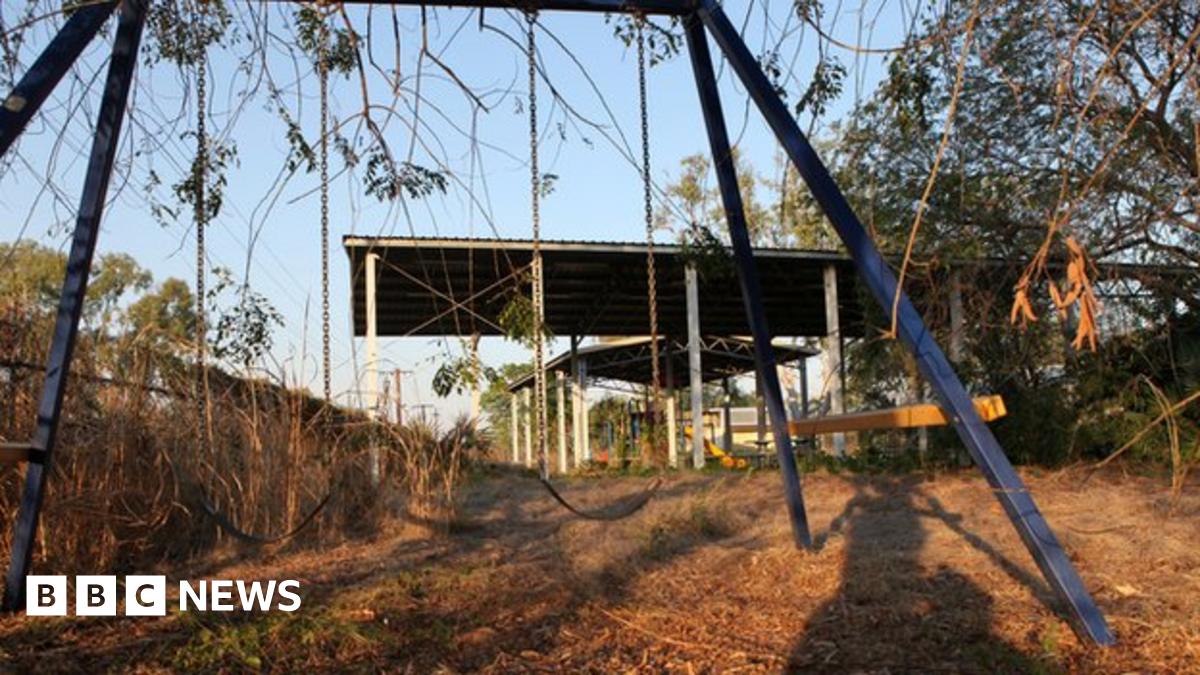
BBC News - Australia's Remote Indigenous Communities Fear Closure
In the wake of plans by the West Australian government to close many small indigenous communities, many fear history might soon be repeated.
BBC News -
4

BuzzFeed - How A 12-Year-Old's Death Proves That Closing Indigenous Communities Didn't Solve Anything
Homelessness, alienation and suicide – the devastating fallout from the forced closure of Oombulgurri, Western Australia.
BuzzFeed -
5PDF
AustLII - The Oombulgurri Eviction: Practicality or Illegality?
Classic Austlii Edu • PDF Document -
6
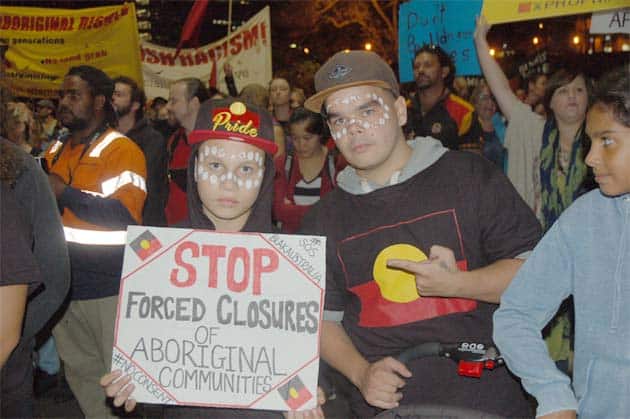
Solidarity - WA Government Confirms Plans to Close Communities
The WA government has confirmed plans to halt services to hundreds of remote Aboriginal communities and to force residents to move to larger towns.
Solidarity Online – Socialist organisation in Australia affiliated to the International Socialist Tendency -
7
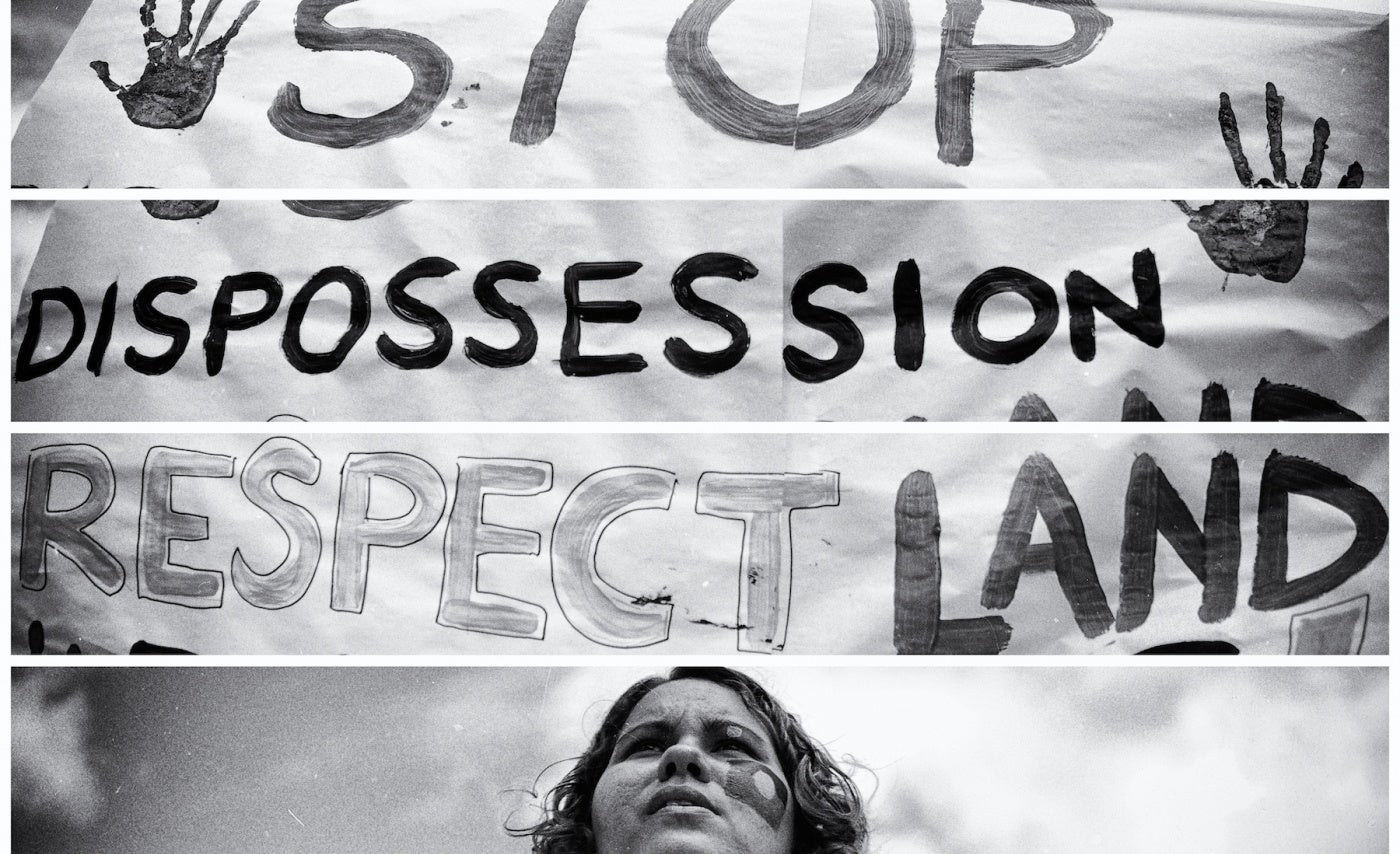
Cultural Survival - Forced Closures of Aboriginal Communities in Australia Continue
By Cass Madden
Culturalsurvival -
8
ABC News - Indigenous Advisers Slam Tony Abbott's 'Lifestyle Choice' Comments
Tony Abbott's key Indigenous advisers slam his description of living in remote communities as a "lifestyle choice", saying the statement is "hopeless", "disrespectful" and simplistic.
Abc Net -
9

Right Now - What Happens When a Remote Aboriginal Community in Western Australia is Closed
Rose Carnes clarifies how the closure of remote Aboriginal communities is a form of forced eviction as defined by the Office of the High Commissioner for Human Rights.
Right Now -
10

Media Bias/Fact Check - The Guardian
LEFT-CENTER BIAS These media sources have a slight to moderate liberal bias. They often publish factual information that utilizes loaded words
Media Bias/Fact Check -
11
Media Bias/Fact Check - Vice Media
LEFT-CENTER BIAS These media sources have a slight to moderate liberal bias. They often publish factual information that utilizes loaded words (wording
Media Bias/Fact Check -
12

Wikipedia - Northern Territory National Emergency Response
Wikipedia -
13

Indigenous Justice - Northern Territory Emergency Response: Report of the NTER Review Board
Indigenousjustice Gov
Rating Scale Methodology
1-3: FALSE
Factually incorrect or malicious fabrication.
4-6: PARTIAL
Some truth but context is missing or skewed.
7-9: MOSTLY TRUE
Minor technicalities or phrasing issues.
10: ACCURATE
Perfectly verified and contextually fair.
Methodology: Ratings are determined through cross-referencing official government records, independent fact-checking organizations, and primary source documents.