
The Claim
“Spent $10,000 to fly the family of 2 ministers to a tropical island for a weekend holiday.”
Original Sources Provided
✅ FACTUAL VERIFICATION
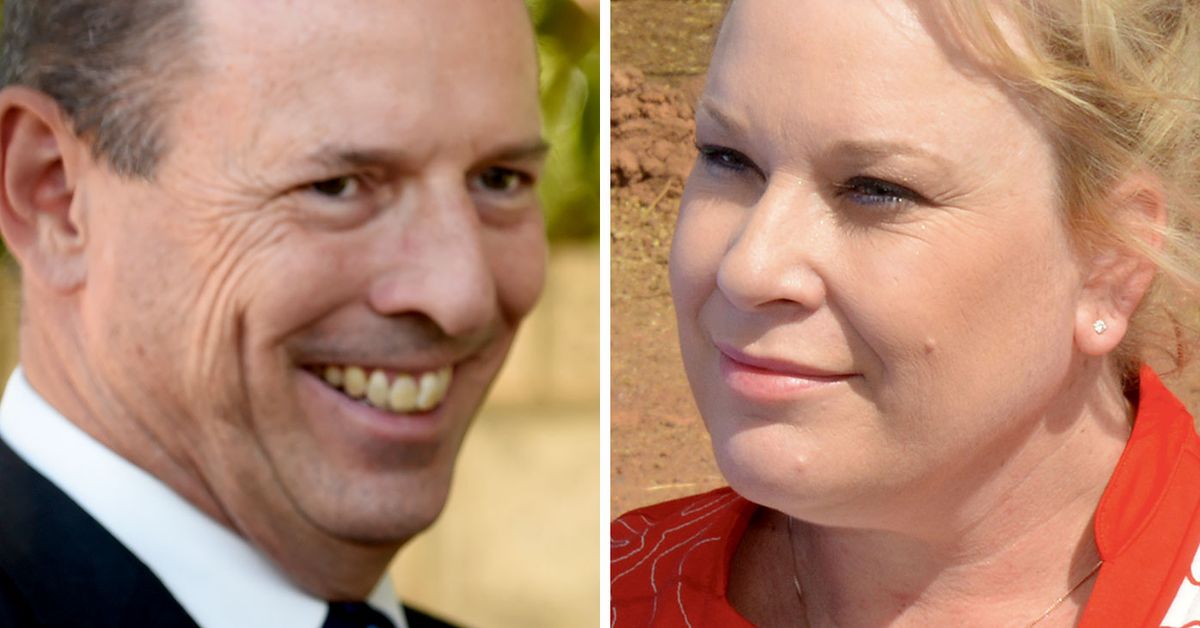
The core facts of this claim are verified. In April 2015, Western Australian Liberal MP Luke Simpkins and Northern Territory Country Liberal MP Natasha Griggs flew their families to the Cocos Islands at taxpayer expense while attending parliamentary committee hearings [1].
According to Department of Finance records reported by Fairfax Media:
- Ms Griggs' husband Paul flew from Darwin to Cocos via Perth and Christmas Island at a cost of $4,385
- Mr Simpkins' wife Kelly and their two daughters flew from Perth via Christmas Island at a cost of $5,100
- Combined family travel costs exceeded $10,000
- The MPs also claimed $5,756 in travel allowances during their time on the islands [1]
The trip occurred while both MPs attended two public hearings of the parliamentary inquiry into Australia's administration of its Indian Ocean territories in April 2015 [1].
Missing Context
The claim omits several important contextual elements:
Official Parliamentary Business: The travel was not for a "weekend holiday" but for official parliamentary committee hearings. The MPs were members of the Joint Standing Committee on the National Capital and External Territories, conducting an inquiry into the administration of Australian territories in the Indian Ocean [1].
Legitimate Entitlement: The travel was claimed under the "family reunion" entitlements scheme, which was a legitimate (though controversial) parliamentary entitlement available to all MPs at the time. Ms Griggs stated that "all travel was within parliamentary travel guidelines" [1].
Travel Records Context: Fairfax Media reported that travel records suggested both MPs had spent the previous week in their electorates, raising questions about whether the family reunion entitlement was being used appropriately [1].
2015 Rules Context: In 2015, family reunion entitlements were less restricted than today. The system was overhauled in 2017 with clearer definitions of eligible family members and stricter caps on class and quantity of travel [2][3].
Source Credibility Assessment
The original source (9News) is a mainstream Australian commercial news outlet owned by Nine Entertainment. The article cites Fairfax Media (now part of Nine) as the source of the reporting, which conducted the original investigation of Department of Finance records [1].
Assessment: 9News/Fairfax Media are mainstream news organizations with professional journalism standards. The reporting is based on official Department of Finance records, which are public documents. The framing of the headline is somewhat sensationalist ("weekend at taxpayers' expense"), but the factual reporting appears accurate based on official government records [1].
Labor Comparison
Did Labor do something similar?
Family reunion travel entitlements have been available to all federal parliamentarians regardless of party for decades and have been extensively used by both major parties [2][3].
Recent data (2024-25) demonstrates widespread use by Labor MPs:
- Don Farrell (Labor) was the highest user of family reunion travel, spending $48,178 in one financial year, including flights for family to attend sporting events [2][3]
- Anika Wells (Labor) used the entitlement to fly her husband business class to sporting events including the Boxing Day Test, AFL and NRL Grand Finals, and the Australian Open [3]
- Michelle Rowland (Labor) billed taxpayers $21,685 for a family trip to Western Australia (later repaid $10,000) [3]
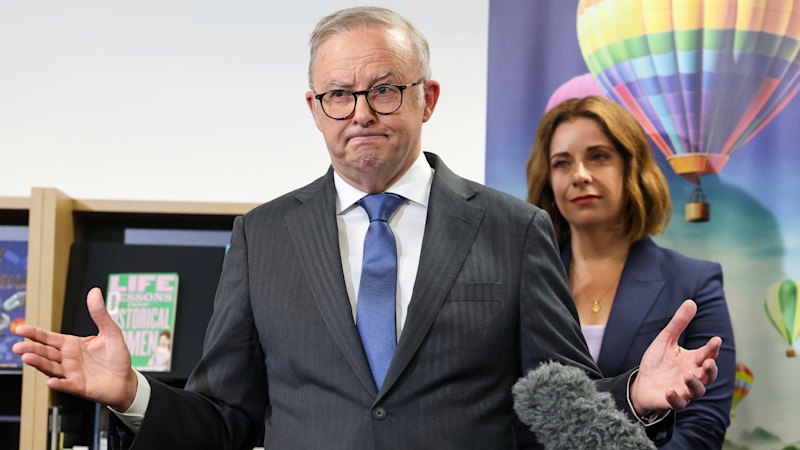
- Anthony Albanese ranked seventh for family travel spending at $28,229 [2]
The 2024-25 data shows federal politicians from all parties spent $1.1 million on family travel in a single year, with trade-offs inherent in the role: "MPs spent long hours at work separate from their families" [2][3].
The Remuneration Tribunal's 2025 review found that only 32 of 226 MPs claimed flights for visits outside of Canberra and their electorates, suggesting most use was modest and within guidelines [3].
Historical context: Family reunion entitlements were not unique to the Coalition government. The 2017 reforms that added caps and restrictions were prompted by broader concerns about parliamentary expenses across all parties, not specific to one side of politics [2][3].
Balanced Perspective
While the claim accurately reports the dollar amount and the fact that taxpayers funded the travel, the framing as a "weekend holiday" is misleading. The trip occurred in the context of official parliamentary committee hearings into the administration of Australian territories [1].
Key contextual points:
Legitimate entitlement abuse question: While the travel was within the rules at the time, questions were raised about whether both MPs needed their families present for this particular trip, given travel records suggested they had been in their electorates the previous week [1].
Bipartisan entitlement usage: This was not a Coalition-specific practice. The family reunion entitlement has been used extensively by Labor, Liberal, National, and Greens MPs alike. The 2024-25 data shows Labor ministers were among the highest users of these entitlements [2][3].
2017 reforms: Following various expenses controversies across parties (not specifically this incident), the family reunion entitlement system was overhauled in 2017 with clearer caps. Current rules allow up to nine return business class trips for partners to Canberra, three return economy trips for dependents, and three return trips for family to travel Australia-wide [2].
Recent reforms (2025-26): Following fresh controversies primarily involving Labor ministers (Wells, Farrell, Rowland), the Remuneration Tribunal has recommended further restrictions: economy class only for family travel, one reunion trip outside Canberra per year for regular MPs, and removal of uncapped entitlements for senior office holders [3].
Key context: This is not unique to the Coalition. Parliamentary family travel entitlements have been used extensively by both major parties throughout Australian political history. The 2016 reporting on this incident was accurate in its facts but the framing as a "holiday" rather than official business with family accompaniment was misleading [1][2][3].
PARTIALLY TRUE
6.0
out of 10
The factual elements are accurate: taxpayers did fund over $10,000 in travel for the families of two Coalition MPs to the Cocos Islands. However, the characterization as a "weekend holiday" omits the critical context that this travel occurred during official parliamentary committee hearings into the administration of Australian territories. While questions about appropriate use of the family reunion entitlement are valid (and were raised at the time), the framing implies personal leisure rather than official business with family accompaniment.
Final Score
6.0
OUT OF 10
PARTIALLY TRUE
The factual elements are accurate: taxpayers did fund over $10,000 in travel for the families of two Coalition MPs to the Cocos Islands. However, the characterization as a "weekend holiday" omits the critical context that this travel occurred during official parliamentary committee hearings into the administration of Australian territories. While questions about appropriate use of the family reunion entitlement are valid (and were raised at the time), the framing implies personal leisure rather than official business with family accompaniment.
📚 SOURCES & CITATIONS (3)
-
1
9news.com.au
Two Liberal MPs have charged taxpayers more than $10,000 to fly their families to the Cocos Islands for a w...
9news Com -
2
abc.net.au
Family reunion travel is under scrutiny as new analysis shows federal MPs and senators spent $1.1 million on flying and driving their loved ones to Canberra and around Australia in 12 months.
Abc Net -
3
smh.com.au
A review into MP entitlements reveals most do not regularly fly their families around the country, but some high-profile claims from senior politicians has led to the perks being curtailed.
The Sydney Morning Herald
Rating Scale Methodology
1-3: FALSE
Factually incorrect or malicious fabrication.
4-6: PARTIAL
Some truth but context is missing or skewed.
7-9: MOSTLY TRUE
Minor technicalities or phrasing issues.
10: ACCURATE
Perfectly verified and contextually fair.
Methodology: Ratings are determined through cross-referencing official government records, independent fact-checking organizations, and primary source documents.