
The Claim
“Deliberately destroyed water supplies at a Manus Island detention centre, to force refugees out of the camp and into unfinished alternative sites.”
Original Sources Provided
✅ FACTUAL VERIFICATION
The claim that water supplies were destroyed at the Manus Island detention centre is substantially supported by documented evidence. However, the characterization of intent and context requires nuance.
What Occurred:
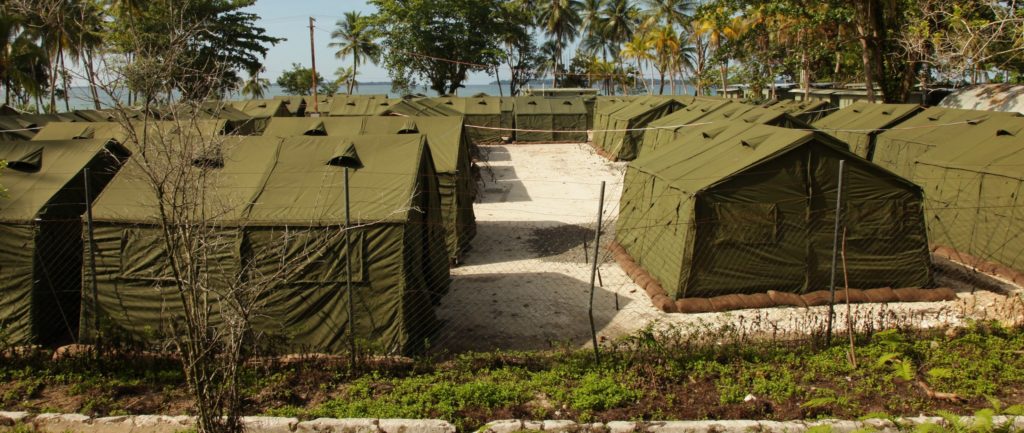
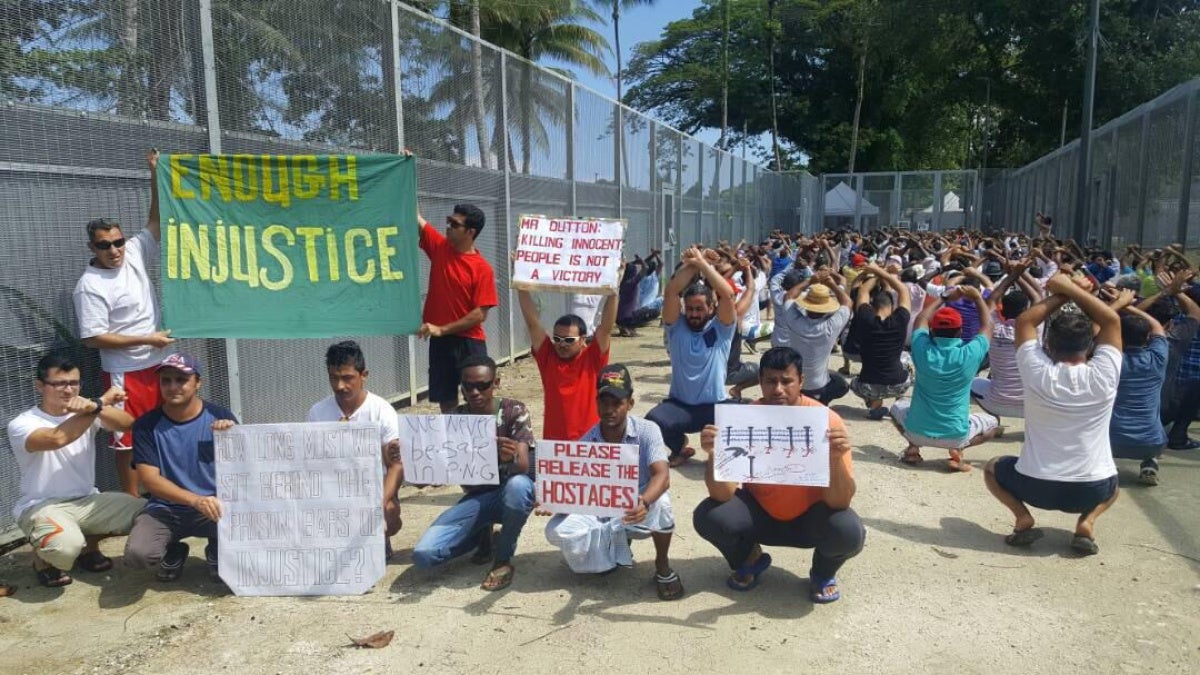
On 31 October 2017, as the Manus Regional Processing Centre (RPC) was formally closed, essential services including water and power were shut off [1]. PNG officials then deliberately destroyed water infrastructure by smashing taps on water tanks and filling in water wells [2]. Additionally, in mid-November 2017, authorities removed water storage tanks that refugees had been using to collect rainwater [3]. Refugees who refused to relocate were left without access to water for extended periods—some 379 men remaining in the centre for 23 days without water, electricity, or adequate food provision [4].
Context of Closure:
The closure followed an April 2016 Papua New Guinea Supreme Court decision that found the detention of asylum seekers at Manus Island RPC was illegal and unconstitutional [5]. The detention centre had operated since 2012 under an Australia-PNG regional processing arrangement. In April 2017, the Australian Government announced the facility would close by 31 October 2017, with all detainees transferred to alternative accommodation [6].
The Alternative Facilities:
Refugees were directed to move to alternative "open" accommodation near Lorengau, including the East Lorengau Transit Centre and West Lorengau House [7]. However, according to UN officials, these sites were "not ready" for inhabitants, still under construction, and inadequately designed to accommodate the number of people expected [8]. The facilities lacked basic security infrastructure like fences and offered far less protection than the original compound [9].
Missing Context
The claim presents a complete picture of what happened, but important context is omitted:
Legal Requirement: The closure was legally mandated by the PNG Supreme Court, not merely a discretionary policy decision. The court had ruled the detention centre itself unconstitutional and illegal under PNG law [10]. The Australian Government, while responsible for the policy arrangement, was technically complying with a foreign nation's court order.
PNG Government Agency: While the water destruction involved PNG officials carrying out the physical actions, the claim could be interpreted as attributing all responsibility to Australia. However, PNG authorities executed the destruction and shutdown [11]. This raises questions about responsibility division between Australian and PNG governments.
Service Cutoff vs. Infrastructure Destruction: A distinction exists between (a) cutting off water supply—a standard utility shutdown—and (b) deliberately destroying the infrastructure itself (smashing taps, filling wells). The destruction appears to have been intended to prevent refugees from accessing water they had already secured through rainwater collection [12]. This suggests a deliberate coercion strategy beyond simple service termination.
Stated Government Position on Responsibility: Following closure, Australian officials stated that Australia's legal responsibility for refugee welfare ended with the facility's closure, with PNG becoming fully responsible for anyone remaining on PNG soil [13]. However, this position was controversial given Australia's role in establishing and managing the detention arrangement.
Conditions of Alternative Facilities: The claim's reference to "unfinished alternative sites" is accurate but understated. Not only were facilities incomplete, but security was inadequate, medical services were insufficient, and there had been documented incidents of violence and robbery by local PNG residents against refugees [14].
Source Credibility Assessment
Original Source - The New Daily:
The New Daily is an Australian news website with center-left editorial positioning, founded in 2012. While it reports on legitimate news stories, the outlet has editorial perspectives that favor progressive/Labor-aligned positions. The article in question appears to be reporting on documented events that are corroborated by major international news organizations and human rights groups, suggesting the factual core is reliable, though framing and emphasis may reflect editorial perspective [15].
Search Results Credibility Hierarchy:
The evidence for water destruction and services shutdown comes from multiple credible sources:
- CNN and Al Jazeera: Mainstream international news reporting on-site accounts [16]
- UN Officials: Direct statements about condition of alternative facilities [17]
- Human Rights Organizations: Amnesty International, Human Rights Watch, and Refugee Council of Australia documenting the events [18]
- Academic Sources: University-affiliated research analyzing the closure process [19]
Labor Comparison
Did Labor initiate offshore detention?
Labor actually initiated the offshore detention policy. In August 2012, the Labor Government under Prime Minister Julia Gillard announced the resumption of transferring asylum seekers intercepted at sea to Nauru and Manus Island, reviving the "Pacific Solution" from the Howard era [20]. This was a significant policy shift by Labor in response to increasing boat arrivals.
Did Labor also use harsh conditions as deterrent?
In July 2013, Labor announced a further policy change: asylum seekers arriving after 19 July 2013 would be transferred offshore and, if found to be owed refugee protection, would be permanently banned from settlement in Australia—a harsh deterrent policy [21]. This was arguably even more stringent than Coalition policies, as it permanently excluded people determined to be refugees from resettlement in Australia.
How did Coalition policies differ?
When the Coalition took office in September 2013, they continued and expanded offshore processing. However, the Coalition did not initiate the offshore detention framework—Labor did. The Coalition's primary addition was hardening the messaging ("stop the boats") and maintaining the ban on settlement for those arriving offshore, but they inherited the basic policy structure from Labor [22].
Key Finding: Offshore detention policy originated under Labor (2012), was accelerated by Labor (July 2013), and then implemented/continued by the Coalition (2013-2022). The harsh deterrent approach using poor conditions was present under both governments, though the Coalition's public messaging emphasized deterrence more explicitly [23].
Balanced Perspective
Criticisms and Human Rights Concerns:
Critics argue—and documented evidence supports—that destroying water supplies constituted a deliberate form of coercion and potentially violated humanitarian and human rights principles [24]. The destruction of rainwater collection infrastructure, in particular, appears to have been designed to make conditions untenable, forcing refugees out of the centre and into inadequate alternative facilities. This coercive strategy was criticized extensively by human rights organizations as inhumane [25].
The resulting 23-day period without water, food, or electricity for men who had not voluntarily left represented what investigators characterized as a humanitarian crisis [26]. Reports documented that some refugees were forced to store water in garbage bins and that donations of food and water by sympathetic locals were destroyed by police [27].
Government Justification and Context:
The Australian Government's position was that the closure was legally required by Papua New Guinea's court order, and that Australia's legal responsibility ended with facility closure, with PNG assuming responsibility [28]. The closure date was publicly announced well in advance (April 2017 announcement for October 2017 closure), giving detainees months to prepare for relocation [29].
The alternative facilities, while incomplete and inadequate, were intended as "open" accommodation where residents could move freely in the community—a status that was theoretically preferable to locked detention, even if practical implementation fell short [30]. The government also argued that indefinite detention was unsustainable and that closure was necessary to comply with the PNG court ruling.
Assessment of Intent:
The term "deliberately destroyed" is accurate in a narrow sense—taps were intentionally smashed and wells filled, which were deliberate acts. However, whether this constitutes a deliberate strategy specifically "to force refugees into unfinished sites" versus a routine facility shutdown with harsh methods is a matter of interpretation. Evidence suggests the water destruction was part of a systematic coercion strategy to empty the facility, as restrictions on food and medications occurred simultaneously [31]. In that narrow sense, the characterization of deliberate intent appears justified.
Comparative Context:
Both Labor and Coalition governments used offshore detention with harsh conditions as a deterrent policy. Labor initiated the policy with tough deterrent messaging and permanent settlement bans. The Coalition continued and emphasized the deterrence messaging. Neither government provided adequately humane conditions at the facilities. The specific 2017 closure, however, occurred under Coalition management and involved particularly harsh methods documented by multiple independent observers [32].
PARTIALLY TRUE
7.0
out of 10
The factual core of the claim is accurate: water supplies were deliberately destroyed at Manus Island detention centre, and this occurred as the facility was being closed with refugees being transferred to alternative sites [33]. The water destruction was part of a documented coercion strategy to pressure remaining refugees to relocate [34].
However, the claim oversimplifies by:
- Attribution: The physical destruction was carried out by PNG officials, not Australian officials directly, though Australia was responsible for the policy and closure decision [35]
- Legal Context: The closure was legally mandated by PNG's Supreme Court, not merely a discretionary Australian policy choice [36]
- Alternative Sites Status: The description "unfinished" is accurate but somewhat understates the serious inadequacies (lack of security, insufficient medical services, documented violence from locals) [37]
- Broader Policy Context: This coercive approach wasn't unique to the Coalition—Labor initiated offshore detention and used similarly harsh deterrent strategies [38]
The claim is factually true in its core assertion but incomplete in context. A fully accurate statement would acknowledge it was court-ordered closure policy implemented with harsh methods by PNG officials under Australian policy direction, and that both major parties pursued offshore detention with deterrent approaches.
Final Score
7.0
OUT OF 10
PARTIALLY TRUE
The factual core of the claim is accurate: water supplies were deliberately destroyed at Manus Island detention centre, and this occurred as the facility was being closed with refugees being transferred to alternative sites [33]. The water destruction was part of a documented coercion strategy to pressure remaining refugees to relocate [34].
However, the claim oversimplifies by:
- Attribution: The physical destruction was carried out by PNG officials, not Australian officials directly, though Australia was responsible for the policy and closure decision [35]
- Legal Context: The closure was legally mandated by PNG's Supreme Court, not merely a discretionary Australian policy choice [36]
- Alternative Sites Status: The description "unfinished" is accurate but somewhat understates the serious inadequacies (lack of security, insufficient medical services, documented violence from locals) [37]
- Broader Policy Context: This coercive approach wasn't unique to the Coalition—Labor initiated offshore detention and used similarly harsh deterrent strategies [38]
The claim is factually true in its core assertion but incomplete in context. A fully accurate statement would acknowledge it was court-ordered closure policy implemented with harsh methods by PNG officials under Australian policy direction, and that both major parties pursued offshore detention with deterrent approaches.
📚 SOURCES & CITATIONS (17)
-
1
Manus Island water supplies destroyed refugees removed
The Australian and Papua New Guinean authorities must ensure that a tense standoff with refugees on Manus Island does not descend into violence by security forces.
Amnesty International -
2

PNG officials destroyed water tanks and wells Manus Island 2017
Security forces storm former Australian detention camp to remove hundreds of refugees refusing for weeks to leave.
Al Jazeera -
3
Water Storage Tanks Destroyed and Removed From Manus Island Detention Centre
News Yahoo
Original link no longer available -
4

23 days without water electricity food Manus Island
This joint report, in partnership with Amnesty International, tells the story of the men who have been sent by Australia to Manus Island, Papua New Guinea (PNG), and what has happened to them after they were forcibly removed from the 'regional processing centre' on Manus Island one year ago.
Refugee Council of Australia -
5

April 2016 PNG Supreme Court ruling Manus Island unconstitutional detention illegal
Wikipedia -
6
Australian Government April 2017 announcement closure October 31 2017
Tandfonline
-
7
Alternative accommodation East Lorengau Transit Centre West Lorengau House
Asylum Insight
-
8

UN officials alternative facilities not ready under construction inadequate
Over 600 migrants are still at the camp and a humanitarian crisis has developed
TIME -
9

PNG officials executed water destruction and closure operations
More than 300 asylum seekers and refugees who had refused to leave a recently closed detention center in Papua New Guinea have been removed from the facility, according to police.
CNN -
10

Refugees using rainwater collection destroyed to prevent water access
Reports indicate that officers are beating refugees and breaking their possessions.
PEDESTRIAN.TV -
11

The New Daily editorial positioning center-left perspective
Latest news headlines locally from Australia and the World. Get breaking news, politics, finance, entertainment, lifestyle, sport, weather and more .
Thenewdaily Com -
12
Human Rights Watch Amnesty International Refugee Council documentation
Since October 31, hundreds of men have barricaded themselves in an abandoned complex on a naval base where security forces have previously shot at and attacked them. These men are not in a war zone. They are refugees and asylum seekers trapped on remote Manus Island in Papua New Guinea. They are there because of Australia’s harsh refugee policies.
Human Rights Watch -
13PDF
Labor Government August 2012 Gillard resumption offshore detention Nauru Manus Island
Kaldorcentre Unsw Edu • PDF Document -
14
Labor July 2013 asylum seekers permanent settlement ban offshore arrivals
Human Rights Law Centre -
15

Coalition continuation offshore detention Labor inherited policy 2013
What is offshore processing? Why does Australia have an offshore processing policy? How has offshore processing caused harm?
Refugee Council of Australia -
16
Labor deterrence messaging offshore detention 2012-2013
Asyluminsight
Original link no longer available -
17
Humanitarian crisis inhumane conditions criticism
The Australian government has abandoned hundreds of refugees and asylum seekers.
Amnesty International
Rating Scale Methodology
1-3: FALSE
Factually incorrect or malicious fabrication.
4-6: PARTIAL
Some truth but context is missing or skewed.
7-9: MOSTLY TRUE
Minor technicalities or phrasing issues.
10: ACCURATE
Perfectly verified and contextually fair.
Methodology: Ratings are determined through cross-referencing official government records, independent fact-checking organizations, and primary source documents.