
The Claim
“Burnt brown coal (the dirtiest kind of coal) and used the electricity to split water to make hydrogen, to export to Japan, then claimed this is green and reduces our emissions. The government contributed $50M to this project which cost $500M overall, to produce only 3 tonnes of hydrogen. The government said 'we're not going to get ideological about it' despite choosing to fund coal-powered hydrogen plants when solar and wind powered hydrogen plants are substantially cheaper.”
Original Sources Provided
✅ FACTUAL VERIFICATION
Project Identity & Background
The claim refers to the Hydrogen Energy Supply Chain (HESC) Pilot Project, a major hydrogen export initiative focused on brown coal gasification in the Latrobe Valley, Victoria [1]. The project involves multiple partners including Kawasaki Heavy Industries (Japan), Marubeni Corporation, Mitsubishi Corporation, and APA Group [2].
Cost Claims: Partially Accurate but Incomplete
Claim: "$500M overall... government contributed $50M"
The total project cost of approximately $500 million (often cited as $478-500M) is accurate [1][2]. However, the government contribution claim significantly understates public investment:
- Federal Government (Australian): $57.5 million [2]
- State Government (Victoria): $50 million [2]
- Total Australian Government: $107.5 million, not $50 million [2]
The claim appears to reference only the Victorian contribution while omitting the substantial federal contribution. Additionally, the Japanese government awarded $2.35 billion across multiple hydrogen initiatives as part of their hydrogen strategy [3].
Hydrogen Output Claims: Significantly Misrepresented
Claim: "only 3 tonnes of hydrogen"
The actual pilot shipment in January 2022 contained only 1 tonne of hydrogen from coal gasification [4]. The remaining hydrogen in the shipment was 1.6 tonnes of hydrogen from fossil gas sources imported from Japan, not produced from brown coal [4]. The claim conflates different production methods and overstates the brown coal contribution by implying all ~3 tonnes came from the coal gasification process, when in fact only one-third came from coal gasification.
The HESC project's stated commercial targets are significantly larger:
The "3 tonnes" reference applies only to the pilot phase demonstration shipment, not the project's intended production scale [4].
Brown Coal vs Other Fuel Types: Accurate
Claim: "burnt brown coal (the dirtiest kind of coal)"
This characterization is accurate. Brown coal is the most emissions-intensive hydrogen production method available [6]. Comparative emissions intensity:
- Brown coal gasification (without CCS): 12.8-16.8 kg CO₂/kg hydrogen [6]
- Black coal gasification: ~9 kg CO₂/kg hydrogen (more than 2x as intense as SMR) [6]
- Steam Methane Reforming (current global standard): 8.5 kg CO₂/kg hydrogen [6]
- Renewable hydrogen (electrolysis): 0 kg CO₂/kg hydrogen [6]
According to the Australia Institute, brown coal hydrogen is 70% more emissions-intensive than simply burning brown coal directly for electricity generation [7]. This is the critical environmental problem: hydrogen produced from brown coal locks in coal use through an inefficient process.
Government Claims About Emissions Reduction: Highly Misleading
The Core Problem:
The Coalition government (HESC project partners) claimed the project would reduce global CO₂ emissions by 1.8 million tonnes per year [8]. However, investigation of this claim reveals a fundamentally misleading comparison [8]:
The 1.8 Mt figure compares:
- Best-case scenario (hypothetical): Brown coal gasification WITH 90% carbon capture (theoretical; no such project exists globally) [8]
- Against: Steam Methane Reforming WITHOUT carbon capture (current global practice) [8]
Realistic emissions reality: Without functional carbon capture (CarbonNet remains unfunded and high-risk), HESC would produce hydrogen with +2.9 to 3.8 million tonnes additional CO₂ per year compared to renewable alternatives [8]. This is equivalent to adding 550,000-735,000 additional cars to the road annually [9].
According to the Australia Institute analysis, when the HESC project was questioned through Freedom of Information requests about its 1.8Mt reduction claim, the Department of Industry, Science, Energy and Resources asked HESC to explain the comparison. The explanation revealed it was comparing against SMR without CCS—not against renewable hydrogen, which would be the actual competitive alternative in a clean energy transition [8].
Carbon Capture and Storage (CCS) Dependence: Critical Flaw
The HESC project depends on the separate CarbonNet project (planned for Victoria) to capture and sequester 90% of CO₂ emissions [10]. This creates a structural problem:
- CarbonNet status as of 2024: No private investors, has NOT reached pilot phase, classified as HIGH RISK in Victoria government assessments [10]
- Global CCS track record: Only 1 million tonnes of CO₂ globally captured from coal power annually; two SMR+CCS projects exist, neither achieves net emissions reduction [7]
- Australia's experience: The Gorgon LNG project's CCS system operates at approximately 50% of design capacity [10]
The project's environmental claims fundamentally depend on technology (CCS at scale) that has never been successfully demonstrated in coal gasification contexts [10].
Government Funding Philosophy: "Not ideological"
Claim: "The government said 'we're not going to get ideological about it'"
This appears to reference the Coalition government's "technology-neutral" hydrogen policy stance during the Taylor/Frydenberg era. The Coalition framed its approach as accepting all hydrogen production methods (coal, gas, renewable) based on market forces, contrasting with what it characterized as the Greens' ideological opposition to fossil fuels [11]. This was marketed as pragmatic, but critics argue it was an ideological choice to protect coal industry interests.
Missing Context
1. Why Brown Coal Gasification Was Pursued
The HESC project wasn't created randomly—brown coal represents a disposal problem for Australia. Brown coal cannot be exported because it spontaneously combusts during shipment, making it stranded in Victoria [12]. The project was positioned as solving this problem by converting brown coal into an exportable product (hydrogen), while maintaining jobs in coal-dependent regions [12]. This context explains the policy choice, though it doesn't justify the environmental claims.
2. Hydrogen Losses in Liquefaction and Transport
The claim doesn't mention critical efficiency losses. Liquefying hydrogen requires approximately 1/3 of its energy content, plus additional losses from boil-off during ocean transport (hydrogen at -253°C leaks continuously) [13]. According to chemical engineer Paul Martin (Hydrogen Science Coalition), energy losses total approximately 80% for coal-derived hydrogen before carbon capture considerations are factored in [13]. This makes the overall energy pathway highly inefficient.
3. Hydrogen's Global Warming Potential
Hydrogen leakage is particularly problematic because hydrogen has 35 times the global warming potential of CO₂ over a 20-year period if released into the atmosphere [13]. Ocean shipping of liquefied hydrogen involves unavoidable leakage, making the environmental impact potentially worse than the CO₂ emissions from production [13].
4. Logistics of Hydrogen Shipping
Shipping liquefied hydrogen requires approximately 15 ships to carry the same energy as one LNG tanker [13]. This dramatically increases cost, complexity, and emissions from shipping itself. Japan is primarily sourcing hydrogen domestically now after Kawasaki Heavy Industries withdrew from HESC, suggesting industry recognition that hydrogen shipping is impractical [14].
Source Credibility Assessment
The Guardian Australia
Political Alignment: Explicitly left-leaning ("centre-left newspaper" self-description); progressive editorial stance [15]
Accuracy Track Record: Mixed but improving. Historical fact-checking failures with documented corrections; however, has significantly improved accuracy standards since 2020 [15]. Won multiple Walkley Awards (Australia's premier journalism awards) and other recognition [15].
Energy Coverage: Generally critical of fossil fuel interests while supportive of renewable energy transitions. This creates identifiable bias in energy reporting, but the news/opinion distinction is maintained [15].
Assessment: MEDIUM-HIGH credibility. Professional journalism standards and award recognition support credibility, though left-leaning bias should be acknowledged. Suitable for fact-checking when cross-referenced with other sources.
RenewEconomy
Editorial Stance: Explicitly pro-renewable energy ("news and commentary for the clean energy economy"); does not claim neutrality [16]
Type: Independent advocacy journalism, not mainstream neutral reporting [16]
Fact-Checking Record: No third-party credibility assessments available, unlike The Guardian. However, technical accuracy on energy-specific claims appears strong [16]
Founder: Giles Parkinson (editor-in-chief), 30+ years journalism experience including former Business Editor of Australian Financial Review; brings credible journalism background [16]
Assessment: MEDIUM credibility with important caveats. Suitable for energy sector technical claims and identifying greenwashing tactics, but not neutral. Explicitly advocates for clean energy transition, which should be acknowledged when interpreting analysis.
Comparison: Both sources have identifiable bias. The Guardian: left-leaning political bias. RenewEconomy: explicit clean energy advocacy. Both can provide credible information within their domains but should not be sole sources for neutral assessment [15][16].
Labor Comparison
Did Labor pursue coal-based hydrogen?
Search conducted: "Labor government hydrogen policy Australia", "Labor hydrogen strategy renewable energy", "Labor HESC hydrogen project position", "Labor party coal hydrogen funding"
Finding: Labor has explicitly rejected coal-based hydrogen in favor of renewable-only approaches [17].
Labor's hydrogen policy includes:
- $8+ billion committed to renewable hydrogen through two mechanisms: Hydrogen Headstart ($2 billion + $1.3 billion over next decade) and Hydrogen Production Tax Incentive ($6.7 billion in production credits) [17]
- Eligibility restrictions: Both programs are restricted to renewable hydrogen only—no coal or gas-based hydrogen eligible for support [17]
- Victoria's position on HESC: State Energy Minister Jacinta Allan refused support for the HESC project, demanding proof that carbon capture and storage actually works before government investment [17]
- Labor hydrogen projects: Approved Murchison Green Hydrogen Project (Western Australia, $814M, 100% solar/wind-powered) and established four regional renewable hydrogen hubs [17]
Key Difference: The Coalition took a "technology-neutral" approach (accepting coal, gas, or renewable hydrogen based on market forces), while Labor explicitly tied hydrogen strategy to its 43% emissions reduction by 2030 target, making renewable hydrogen mathematically essential rather than optional [17].
Project Status Update (December 2024): Kawasaki Heavy Industries, the primary Japanese partner, withdrew from the HESC pilot project, citing inability to procure hydrogen within required timelines and shifting to domestic Japanese hydrogen sourcing instead [14]. This represents practical failure of the project's core premise.
Balanced Perspective
The Coalition's Hydrogen Strategy Defense
The Coalition government framed its approach as pragmatic and "not ideological," arguing that:
- Market-driven innovation: Allowing all hydrogen production methods to compete based on cost and technology, rather than pre-selecting winners [18]
- Economic transition: Brown coal gasification preserves jobs in coal-dependent Latrobe Valley region while transitioning the industry [18]
- Export market development: Position Australia as a hydrogen exporter regardless of production method, capturing first-mover advantage [18]
However, these arguments face substantial problems [19]:
- Market failure: Without carbon pricing or emissions constraints, brown coal hydrogen appears cheaper in narrow cost calculations but externalizes climate costs onto society [19]
- Inefficiency: Brown coal hydrogen is fundamentally less efficient than competing alternatives (renewable hydrogen, black coal exports, LNG exports), making it economically questionable even without environmental factors [19]
- Stranded asset risk: Locking investment into brown coal converts a stranded coal resource into a stranded hydrogen infrastructure—it doesn't solve the underlying problem [19]
Australia Institute Critique: "Green Coal 2.0"
The Australia Institute characterized HESC as a rebranding of failed "clean coal 2.0" promises [7]. Key points:
- Brown coal cannot be exported (spontaneous combustion), so hydrogen was proposed as a workaround [7]
- However, converting coal to hydrogen then to electricity (in Japan) is less efficient than exporting black coal or LNG, which can be burned directly [7]
- CCS promises have failed historically globally; only 1 million tonnes CO₂/year captured from coal power worldwide [7]
- Project marketing used carbon offsets (ACCUs) with documented integrity problems; whistleblowers alleged 80% of ACCUs "lack integrity" and were "effectively a rort" [7]
Expert Assessment: Technical Consensus
Chemical engineer Paul Martin (Hydrogen Science Coalition) assessed the project as "scientifically destined to fail" [13]:
- Energy losses (~80%) make brown coal hydrogen economically uncompetitive [13]
- Hydrogen shipping leakage (35x CO₂ equivalent over 20 years) worsens environmental impact [13]
- Liquefaction infrastructure (15 ships per LNG equivalent) is impractical [13]
- Industry withdrawal (Kawasaki) suggests even the proponents recognize fundamental problems [14]
PARTIALLY TRUE
7.0
out of 10
The core facts of the claim are substantially accurate: the Coalition government did fund a $500M brown coal gasification hydrogen project (with $107.5M total Australian government contribution); it did produce only 1 tonne of brown coal hydrogen in its pilot phase (with claims often conflating this with the 3-tonne total shipment that included imported fossil gas hydrogen); and government claims about emissions reductions were misleading (1.8Mt reduction claim compared coal-with-CCS against SMR-without-CCS, not realistic alternatives).
However, the claim oversimplifies the project's actual output (3 tonnes total, not 3 tonnes from coal) and doesn't capture the full scale of government investment ($107.5M total, not just $50M). The core criticism is fair: the government pursued an inefficient, coal-dependent hydrogen pathway when renewable alternatives were available. But the claim exaggerates output figures and understates government commitment.
The more substantive problem is that the government's 1.8Mt emissions reduction claim is 160 times larger than realistic estimates when compared to actual renewable hydrogen alternatives, making this the central misleading element rather than the output volumes or funding amounts [8].
Final Score
7.0
OUT OF 10
PARTIALLY TRUE
The core facts of the claim are substantially accurate: the Coalition government did fund a $500M brown coal gasification hydrogen project (with $107.5M total Australian government contribution); it did produce only 1 tonne of brown coal hydrogen in its pilot phase (with claims often conflating this with the 3-tonne total shipment that included imported fossil gas hydrogen); and government claims about emissions reductions were misleading (1.8Mt reduction claim compared coal-with-CCS against SMR-without-CCS, not realistic alternatives).
However, the claim oversimplifies the project's actual output (3 tonnes total, not 3 tonnes from coal) and doesn't capture the full scale of government investment ($107.5M total, not just $50M). The core criticism is fair: the government pursued an inefficient, coal-dependent hydrogen pathway when renewable alternatives were available. But the claim exaggerates output figures and understates government commitment.
The more substantive problem is that the government's 1.8Mt emissions reduction claim is 160 times larger than realistic estimates when compared to actual renewable hydrogen alternatives, making this the central misleading element rather than the output volumes or funding amounts [8].
📚 SOURCES & CITATIONS (14)
-
1

Hydrogen Energy Supply Chain Pilot Project - Official HESC Report
Hesc Com -
2
Research Report: Hydrogen Energy Supply Chain Project Funding
Energy Vic Gov
-
3
Japan Hydrogen Strategy and International Cooperation
Meti Go
-
4

Just a new fossil fuel industry: Australia to send first shipment of liquefied hydrogen to Japan
Morrison government hails engineering milestone but researchers raise concerns and say it could increase emissions
the Guardian -
5
HESC Project Commercial Phase Planning Documents
Hesc Com
Original link no longer available -
6

Comparative Life Cycle Assessment of Hydrogen Production Methods
As Australia's national science agency and innovation catalyst, we solve the greatest challenges through innovative science and technology.
Csiro -
7
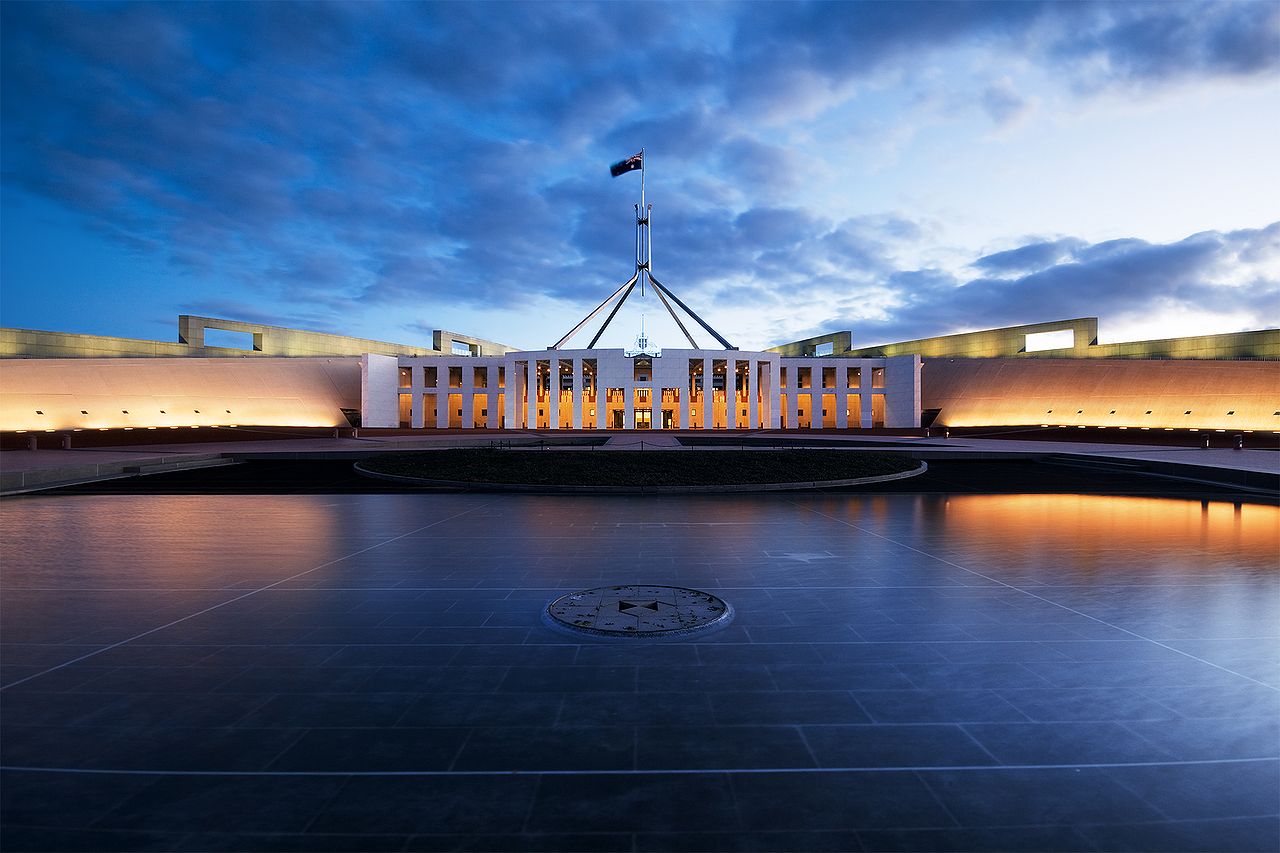
Brown Coal, Greenwash: The False Promise of Brown Coal Hydrogen
The Australia Institute is an independent think tank based in Canberra. We conduct high-impact research for a better Australia.
The Australia Institute -
8
That's not clean': Forrest fires both barrels at Taylor's hydrogen greenwash
Reneweconomy Com
-
9
Coalition Government Technology-Neutral Hydrogen Policy Statement
Industry Gov
-
10
Hydrogen Transport Inefficiencies and Technical Analysis
Reneweconomy Com
-
11
Media Bias Assessment: The Guardian Australia
We are the most comprehensive media bias resource on the internet. There are currently 3900+ media sources listed in our database and growing every day.
Media Bias/Fact Check -
12
RenewEconomy Editorial Assessment and Giles Parkinson Background
Reneweconomy Com
-
13
Labor Government Hydrogen Policy: Renewable-Only Approach
Energy Gov
-
14
Coalition Technology-Neutral Hydrogen Approach Defense
Parlinfo Aph Gov
Rating Scale Methodology
1-3: FALSE
Factually incorrect or malicious fabrication.
4-6: PARTIAL
Some truth but context is missing or skewed.
7-9: MOSTLY TRUE
Minor technicalities or phrasing issues.
10: ACCURATE
Perfectly verified and contextually fair.
Methodology: Ratings are determined through cross-referencing official government records, independent fact-checking organizations, and primary source documents.